

Ask a plumber what’s in their own bathroom and you’ll get a boring answer. Chrome. A single-flush toilet. A tub with no jets.
That’s not a lack of taste. It’s what happens when you spend twenty years pulling apart other people’s choices and seeing exactly where they rot, seep, snap, and stain.
Most fixture regret doesn’t show up at the walkthrough. It shows up in year three, four, five — when the cartridge is discontinued, the grout is black, the finish has worn to raw brass on the handle you touch every morning.
Some of these are trends. Some have been builder-standard since Nixon. All of them get replaced early.
Here are 32 fixture choices that come back to bite, and what the trade installs instead.
1. The Zinc-Alloy Faucet Body Sold as “Metal Construction”
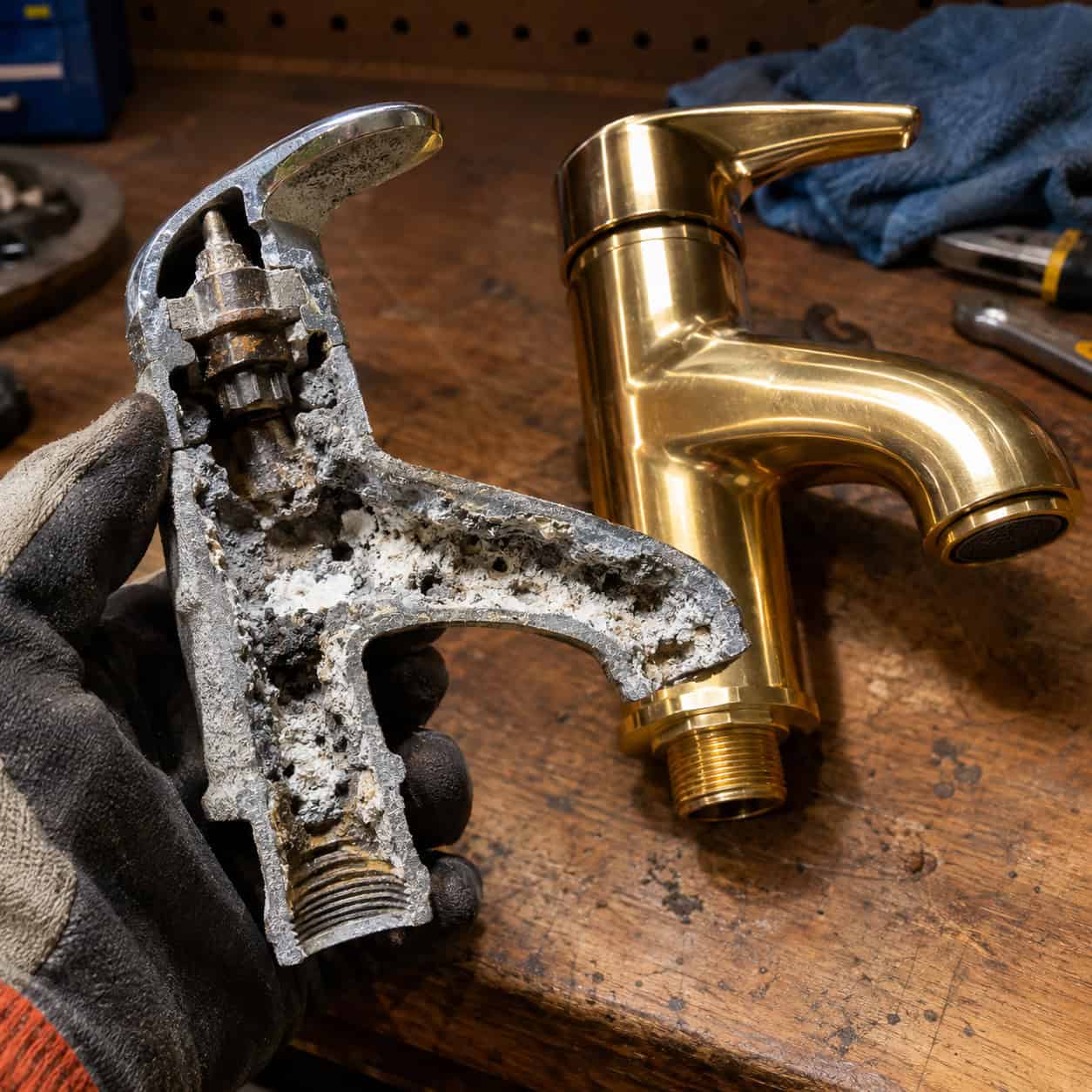
Read the spec sheet on a $90 faucet. It says “metal.” It does not say which metal.
It’s zinc alloy — pot metal — and zinc corrodes from the inside out. The casting goes porous, then it weeps through the wall of the spout, or the whole thing snaps off at the base when somebody leans on it.
Solid brass or 304 stainless is the spec. The difference between a cheap and an expensive faucet is mostly what you can’t see, and plumbing-supply models often use forged brass where the big-box twin with the same model family uses zinc.
Pick it up. A real brass faucet is heavy in a way a zinc one never is.
2. The Vessel Sink Bowl Sitting on Top of the Counter

Every bowl has a seam where it meets the counter. That seam is a trench, and it fills with toothpaste film, soap scum, and hair.
No overflow on most of them, either. Walk away with the tap running and you’ll find out.
Then there’s height. A vessel adds five or six inches, which puts the rim at chin level for a seven-year-old.
Family Handyman has walked through the regret in detail. The swap is an undermount — one pass with a rag and the counter is clean.
3. The All-Plastic Cartridge Inside a $79 Faucet
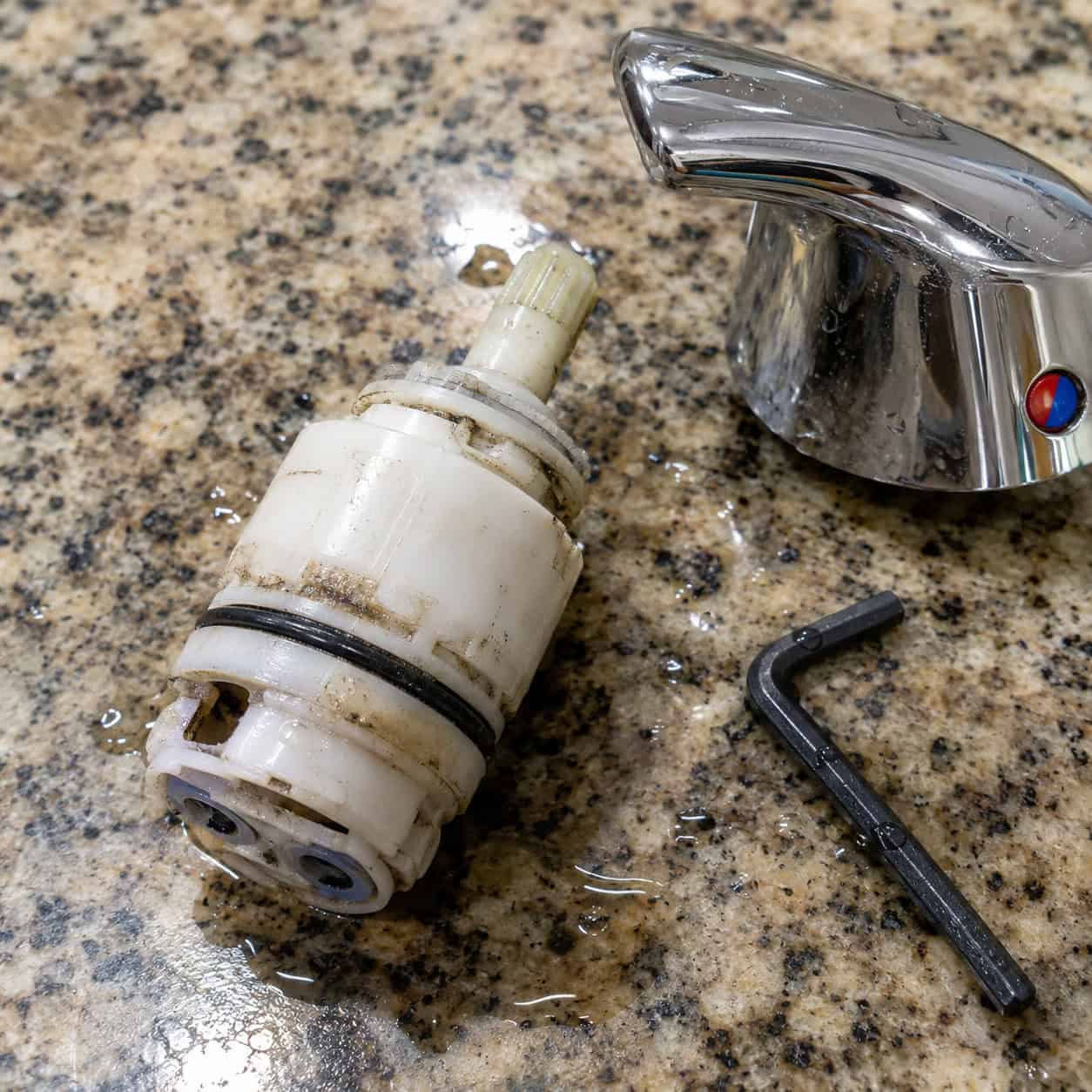
A ceramic-disc cartridge in a brass housing can run twenty years without a thought. A molded plastic cartridge with a plastic stem wears round.
Year three, the handle starts spinning past the stop. Year four, it drips.
One drip per second is roughly 3,000 gallons a year down the drain. You’re paying for water you never saw.
Before you buy anything, find out whether a replacement cartridge exists and what it costs. If the answer is “replace the faucet,” that’s your answer.
4. The Jetted Whirlpool Tub

Nothing on this list ages worse.
Here’s the mechanical problem: when you drain a whirlpool tub, the jet lines don’t drain. Several feet of plumbing behind the shell stays full of warm, soapy, body-temperature water with skin cells and conditioner residue in it.
That’s a biofilm incubator. Bacteria and mold colonize the inside of those lines within weeks, and the colony keeps growing in the dark between baths.
You find out the next time someone runs the jets after a long gap. Grey-brown flakes come out of the nozzles and float in the water you’re sitting in.
Scrubbing the tub does nothing — the contamination is in the lines, not on the acrylic. Service techs recommend a periodic hot-water-and-dishwasher-detergent purge, which means filling the tub above the jets, running it ten to fifteen minutes, draining, and doing it again with clean water. Monthly. Forever.
Almost nobody does that. Which is why most whirlpool tubs in resale homes are, functionally, a large contaminated pipe loop attached to a bathtub.
Plumbers point you one of two directions. An air-jet tub, which blows the lines dry with a purge cycle after every use. Or a plain deep soaker with nothing hidden behind it at all.
If you already own one, run it empty-and-hot on a schedule and keep the difference between a soaking tub and a jetted one in mind before you replace it with the same thing.
5. The Saddle Valve Tapped Into the Fridge Line

Appliance delivery crews still install these. A clamp goes around a copper line, a needle pierces it, and a rubber gasket is the only thing between you and a leak.
The needle hole clogs with mineral scale, so your ice maker slows down. Then the gasket relaxes and it starts seeping — behind a refrigerator, onto a floor nobody looks at for two years.
Saddle valves fail most modern codes for exactly this reason, and they show up on every list of DIY plumbing mistakes that gets written.
Cut in a proper tee, add a quarter-turn stop, run a braided line. Forty-five minutes.
6. The Pebble-Tile Shower Floor
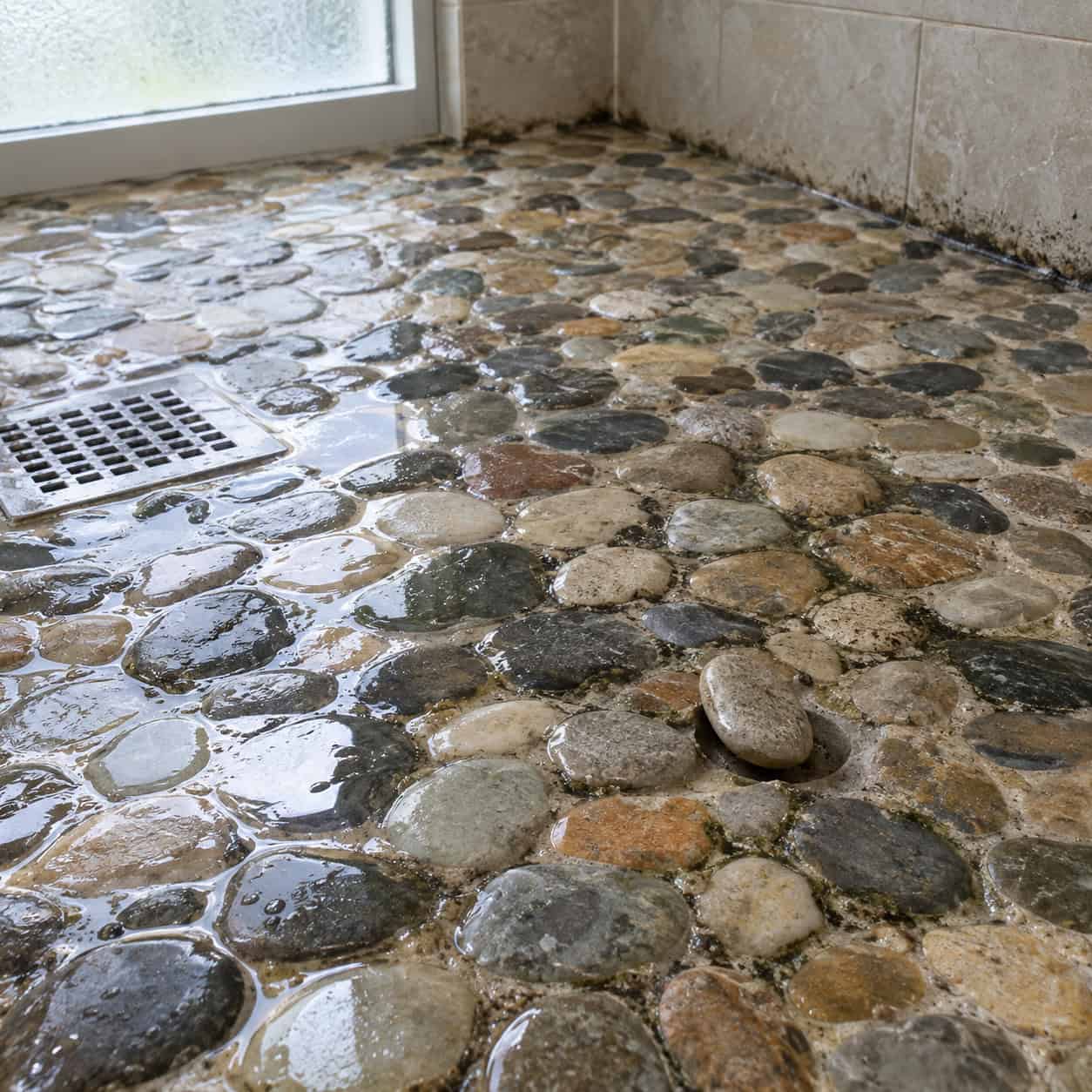
It photographs like a riverbed. It cleans like one too.
Run the numbers on surface area. A standard porcelain floor might have 30 linear feet of grout joint. A pebble floor has hundreds — every stone is surrounded on all sides, and the grout between them is the lowest point.
Water doesn’t sheet off a pebble floor. It pools in thousands of tiny depressions between the stones and sits there until it evaporates, which in a closed bathroom takes hours.
That constant moisture is why the mold comes back. You bleach it, it looks great, and six weeks later the dark lines are back in the same places — because the conditions that created it never changed.
Then the grout starts eroding. Shampoo and body wash are mildly alkaline, foot traffic grinds at the high points, and the joints recede below the stone surface. Once a pebble is only held on two sides, it pops.
Sealing helps for a while. Penetrating sealer on a pebble floor needs reapplication every year or so, and most people do it once and never again.
Homeowners describe it in forums as scrubbing with a toothbrush on their knees. That’s the actual maintenance plan.
Pros install large-format porcelain with a linear drain. One slope, one direction, two grout lines, water gone.
7. Multi-Turn Angle Stops Under Every Sink

The old multi-turn stop has a rubber washer that slowly fuses to its seat. Nobody exercises it. Ten years go by.
Then the faucet fails on a Sunday and you reach under the cabinet and the handle won’t move — or it does move, and the stem snaps, and now you’ve got a spray.
Quarter-turn ball stops cost about four dollars more each. They work on the first try a decade later.
Replace them anytime you’ve already got the water off for something else.
8. The 1/3-Horsepower Builder-Grade Garbage Disposal

The default unit in nearly every tract home jams on a celery stalk.
Worse, the grind chamber is galvanized steel. It rusts from the inside, and around year four or five it starts weeping from the bottom seam into the cabinet.
Go 3/4-horsepower with a stainless chamber. On a septic system, a multi-stage unit — and know how long a disposal should actually last before you accept four years as normal.
9. Oil-Rubbed Bronze and Other “Living” Finishes in a Busy Bath

The dark layer on oil-rubbed bronze is a chemically applied coating, not solid metal. It’s thin by design — the whole aesthetic depends on it wearing through to show brass underneath.
In a guest bath, that takes decades and looks great. In the kids’ bathroom, a wedding ring and a bottle of bathroom cleaner get you there in two seasons, unevenly.
Spout tips and handle undersides go first. There’s no fixing it.
PVD-coated brushed nickel can’t wear off the same way — the color is bonded into the surface, and the finish comparisons consistently rank it at the top for durability.
10. The Flexible Accordion P-Trap
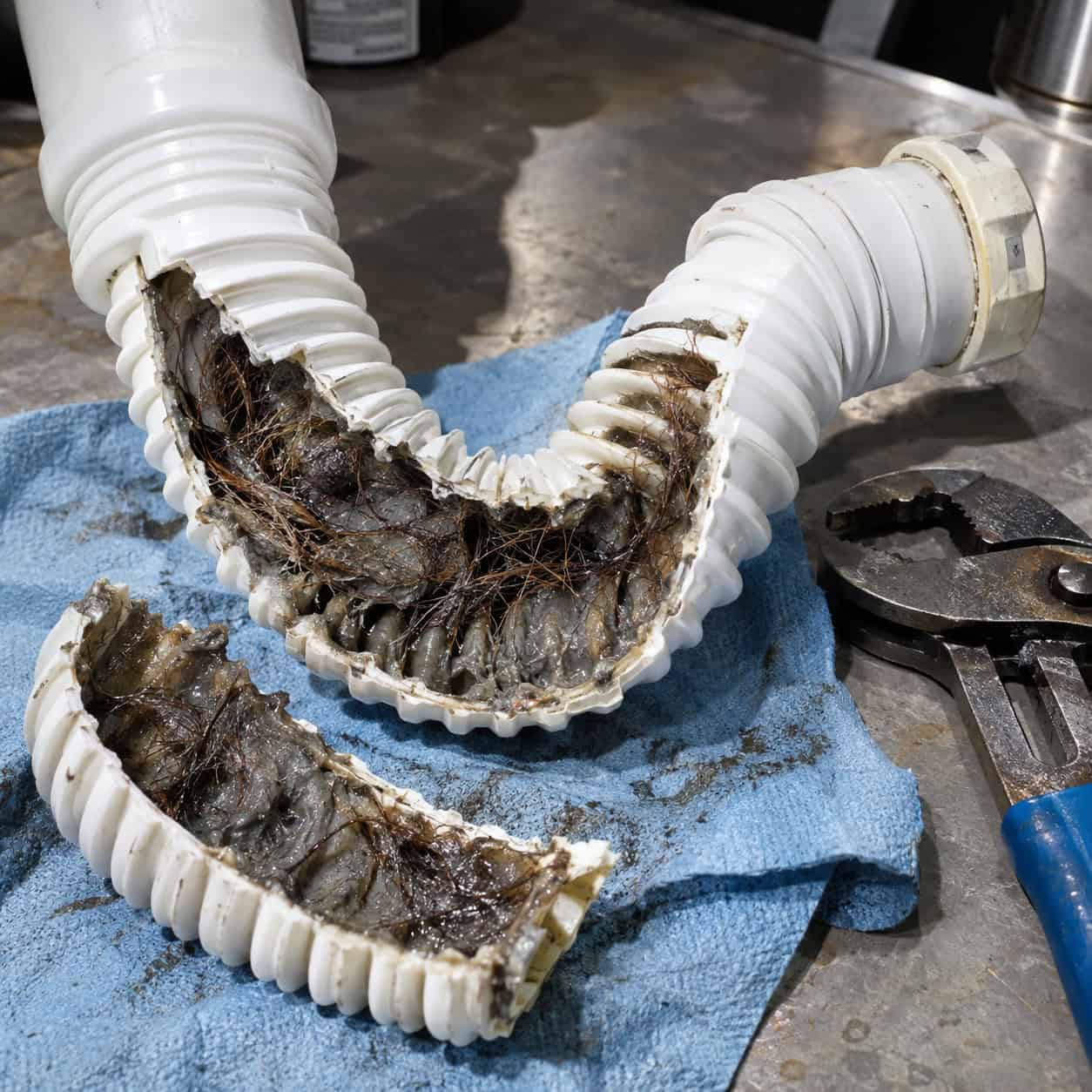
Corrugated ribs. Under a drain. Think about what that catches.
Hair wraps around every ridge, grease coats them, and a trap that should self-scour becomes a clog waiting to happen. The adjustable slip joints are a second problem — they’re a chronic slow-leak point that quietly ruins the cabinet floor.
Plumbers interviewed about what they refuse to install name this one by name.
Cut a rigid smooth-wall trap to fit. It takes ten extra minutes and it stops being a problem permanently.
11. The Touch and Touchless Kitchen Faucet

You’ve attached a solenoid valve, a sensor, a control module, and a battery pack to a device whose entire job is open and close. All of it lives under a sink, in a damp cabinet, next to the drain line.
Phantom activations at 3 a.m. Sensors that quit reading hands. Batteries that die mid-recipe.
None of that is fatal if the faucet still has a working manual lever — which is why pros spec models that do. If yours is misbehaving, there’s usually a way to bypass the touch feature entirely and keep using it as a normal faucet.
Buy the electronics as a bonus, never as the only way to get water.
12. The Framed Sliding Shower Door With a Bottom Track

The bottom track is a trough. It holds standing water, soap scum, and whatever grows in that combination, and the only way to clean it is a rag wrapped around a chopstick.
Rollers skip off the upper track. The vinyl sweep goes brittle around year six and water starts running out onto the bathroom floor.
A frameless hinged panel has no track at all. Or size the walk-in correctly and skip the door entirely.
13. An Undermount Sink Clamped to a Laminate Countertop

This one destroys the cabinet, not just the sink.
Laminate is a thin plastic surface over a particleboard core. When you cut the sink opening, you expose that core along the entire perimeter of the hole — raw, unsealed sawdust-and-glue, right where the water is.
Caulk is the only barrier. Caulk is a five-to-seven-year material under constant wetting, and under an undermount bowl it’s getting hit every single time anyone washes a dish.
Here’s the failure sequence. Water wicks into the exposed edge. The particleboard swells and loses compressive strength. The clips that hold the sink up are screwed into that now-mushy material.
You’ll see the warning signs first: the laminate near the sink bulges slightly, the seam at the edge lifts, the counter feels soft if you press on it. Then a corner of the sink drops a quarter inch, the caulk joint tears open, and now it’s pouring straight into the cabinet.
By then it’s not a sink job. It’s a countertop, usually a cabinet base, and sometimes the subfloor.
Over laminate, install a drop-in with a rim that covers the cut edge. Save undermount sinks for quartz, granite, or solid surface, where the cut edge is the same waterproof material as the top.
14. Rubber Washing-Machine Hoses

The single most expensive five-dollar part in your house.
Understand what those hoses are doing. Unlike a faucet supply, which only sees pressure when you open the valve, washing-machine hoses sit under full line pressure 24 hours a day, 365 days a year, for as long as the machine is hooked up. Typical residential pressure is 50 to 70 psi. Some houses run 90 or more.
Black rubber doesn’t love that. It hardens, the reinforcing mesh fatigues, and a blister forms near the crimped fitting where the stress concentrates.
When it goes, it doesn’t drip. A failed 1/2-inch supply hose can move several hundred gallons an hour, and insurance adjusters see these claims constantly — the overnight or over-the-weekend failures are the catastrophic ones because nothing stops the water until someone comes home.
Three things to do, in order of how much they matter.
Replace rubber with braided stainless. Twenty dollars for the pair, fifteen minutes, done.
Better: install auto-shutoff hoses or a leak-detection valve that senses abnormal flow and closes automatically. These run $40 to $150 and they work whether you’re home or not.
Then put it on a calendar. Inspect the hoses every spring — squeeze them, look for bulges near the fittings, check for rust stains or crusting at the crimp. Replace braided stainless every five to seven years regardless of appearance, and replace rubber immediately.
And turn the valves off when you leave for more than a weekend. Family Handyman lists this among the things plumbers wish homeowners knew, and it’s free.
15. Matte Black Fixtures in a Hard-Water House

Matte black is spectacular for about a month.
Then every mineral deposit shows up as a chalky white speck against the dark surface, and every fingerprint leaves an oil mark the matte texture holds onto.
So people scrub. And abrasive cleaner on a matte coating takes the matte off in patches, which is permanent.
Any plumber worth hiring asks about water hardness before signing off on black. Above about 10 grains per gallon, go spot-resistant brushed nickel or stainless and keep the black for the light fixtures.
16. The Dual-Flush Push-Button Toilet

The top-mount button and canister seal are the weak point, and they’re weak on a schedule.
The seal hardens, the bowl runs continuously, and you don’t notice because a dual-flush leak is often silent. Then the water bill arrives.
Worse is the parts problem. Those canisters are proprietary to the brand and frequently to the model year, so a 2016 toilet may need a kit nobody stocks.
A single-flush gravity toilet with a standard flapper takes a $6 part from any hardware store at 9 p.m. on a Sunday. That’s why it’s what’s on the truck.
17. The Pull-Down Sprayer on a Plastic Hose and Clip

The counterweight is a plastic clip pinched onto a vinyl hose. It slips.
Once it slips, the head stops docking properly and hangs crooked. Annoying, but not the real damage.
The real damage is the hose chafing where it bends at the faucet base, dripping into the cabinet an ounce at a time for months.
Good faucets use nylon-braided hose, a magnetic dock, and — critically — sell that hose as a replaceable part. Check that before you buy, same as you’d check the pull-down versus pull-out question.
18. The 22-Gauge Stainless Drop-In Sink

Tap the side of a cheap stainless sink. It booms.
Twenty-two gauge is about 0.03 inches of steel. A dropped cast-iron pan dents it, the disposal shakes the whole cabinet, and filling it sounds like a snare drum.
Sixteen or 18 gauge with sound-dampening pads on the underside is the second-purchase sink. Buy it first.
19. The Six-Head Body-Spray Shower System

Flow is the whole problem. Six outlets demand more gallons per minute than most 1/2-inch residential supplies and most mixing valves can deliver, so what you get is six lukewarm dribbles instead of one good shower.
Federal standards cap showerheads at 2.5 gpm, and EPA WaterSense models run 2.0 — multiply that by six and do the math against your supply line.
Every extra outlet is also another cartridge, another in-wall solder joint, another thing to leak behind tile.
One excellent head, a quality thermostatic valve, and a handheld on a slide bar. That’s the configuration that actually feels luxurious.
20. The Pressure-Assist Toilet in a Bedroom Wing

They flush like a jet engine spooling up. In a powder room off the garage, fine.
Ten feet from a bedroom door at 2 a.m., it wakes the house.
The pressure vessel is also a specialty part at a specialty price, and when it goes you’re not fixing it with a flapper.
Modern gravity bowls with a 3-inch flush valve clear waste just as well and do it quietly.
21. The Integrated Cultured-Marble Vanity Top

Bowl and countertop, one casting. Sounds efficient.
It’s efficient right up until the gel coat crazes into hairline cracks around the drain, or yellows under the faucet, or chips.
There’s no component to replace. The repair is the entire slab, plus removing the faucet and drain to do it.
An undermount china bowl set in quartz means a cracked bowl costs you a bowl.
22. The Plastic Pop-Up Drain Assembly and Lift Rod

Open the cabinet under almost any budget lavatory faucet and you’ll find a plastic pivot ball, a plastic clevis strap, and plastic tailpiece threads.
The pivot goes brittle and the stopper drops shut and won’t come back up. The clevis screw strips. Somebody snugs the slip nut a half turn too far and the threads peel.
Metal pop-up with a brass body, or a simple push-pop. Either one outlives the faucet.
23. The Floor-Mounted Tub Filler for a Freestanding Tub

Beautiful fixture. Terrible access.
Those supply lines come up through the subfloor, which means the connections are under the finished floor in a spot you can never inspect and never reach without cutting.
The column itself is a four-foot unsupported tube anchored at one point. People lean on it getting out of the tub, and it starts to rock within a couple of years, which works the floor connection.
Deck-mounted or wall-mounted keeps every joint reachable. Worth losing the photo for.
24. The Pot Filler Over the Range

A live water line running through a wall directly above a $2,000 range, with no drain underneath it, used roughly twice a month.
The convenience is real. So is the fact that a slow drip at that valve runs down inside the wall and onto the appliance.
If you want one, insist on a dedicated accessible shutoff and a valve body from a brand with real parts support. Pot fillers aren’t a mistake — they’re just rarely the best use of $900 in a kitchen budget when the sink faucet is a zinc-body special.
25. The Oversized Garden Tub Your Water Heater Can’t Fill

An 80-gallon soaker needs roughly 55 to 60 gallons of hot water to reach a comfortable temperature.
A standard 40- or 50-gallon tank delivers about 70% of its capacity before the incoming cold drops the temperature. You run out halfway and finish the fill lukewarm.
Count the number of baths actually taken in these tubs. For most households it’s two or three a year, and the rest of the time it’s a dust shelf the size of a loveseat.
A right-sized 60-inch soaker and twelve more inches of shower. That’s the modern trade.
26. The One-Piece Fiberglass Tub/Shower Unit

Step into one and feel the floor flex. That flex is the problem — it works the gel coat until it crazes into spiderweb cracks, always around the drain first.
The surface chalks, too. Once the shine is scrubbed off fiberglass gel coat, it never comes back, and the dull surface grabs soap scum harder every year.
Acrylic set properly in a mortar bed doesn’t flex. Porcelain-on-steel doesn’t either. Both run a modest premium and last decades longer.
27. The Wall-Hung Toilet With an In-Wall Carrier Tank

The look is genuinely great — floating bowl, clean floor, easy mopping. The engineering is sound. The failure mode is what gets people.
Everything that can break is behind the wall: the fill valve, the flush valve, the seal between the carrier tank and the bowl. Those are consumable parts with a service life of maybe 10 to 15 years, same as any toilet.
The difference is where they live. On a standard toilet you lift a lid. On a wall-hung, you go through the actuator plate opening — which on most carriers is just big enough to reach the valves if, and only if, the installer positioned it correctly and nobody tiled over the margins.
When that access is compromised, a failed flush seal becomes water running down inside a stud bay. It wicks into the bottom plate and the subfloor and you typically discover it as a stain on the ceiling below or a soft spot at the base of the wall.
By then you’re removing tile to find it. That’s a demolition job on a finished bathroom.
Install one if you want one — but confirm two things first. The actuator plate opening must give genuine hand access to both valves, and the brand must be one with a long production history and parts available domestically, because a proprietary carrier from a brand that exits the market in 2029 is a wall you’ll be opening.
28. The Upflush Macerating Basement Toilet

A spinning blade turns waste into slurry so a small pump can push it uphill to the main line. Elegant solution, narrow tolerance.
Flushable wipes kill them. So do paper towels, dental floss, tampons, and the cotton swab somebody dropped in.
And the failure happens in a basement bathroom, which is where a backup does the most damage to the most stored stuff.
If the slab can be cut, install a proper sewage ejector pit with a sealed basin and a real vent. Upflush is for when cutting concrete genuinely isn’t an option.
29. The Shower Valve With an Orphan Rough-In

The valve body goes in the wall before the tile. After that, you will never see it again.
Which means the only thing that matters in year eight is whether somebody still manufactures the cartridge.
For no-name and house-brand valves, frequently nobody does. A twenty-dollar repair becomes opening a tiled wall, replacing the valve body, and retiling.
Stick to rough-ins that have been in continuous production for decades — the Moen 2510 and 2520 families, Delta’s MultiChoice, Kohler Rite-Temp. Supply houses stock those cartridges in a bin.
30. The Marketplace Brand With a “Lifetime Warranty” and No Parts Counter

A lifetime warranty is worth exactly as long as the company’s lifetime.
Scroll a marketplace listing page and count the brand names you’ve never heard of. Most of those are drop-shippers reselling the same handful of overseas castings under different logos, and the logo changes every few years.
In 2032, that warranty email bounces. Even when a company honors it, the fine print usually covers the part and not the labor, and the cartridge replacement process assumes you can identify a model number that’s no longer in any database.
Here’s the test plumbers actually use: walk into a local supply house and ask if they stock parts for the brand. If the counter guy knows the cartridge by number, buy it.
A fixture isn’t good because it’s new. It’s good because it’s still fixable in fifteen years.
31. The Light-Colored Granite Composite Sink

Dark granite composite is one of the best sink materials made. White and beige are a different experience.
Coffee, tea, red wine, and the bottom of a cast-iron skillet all leave marks, and the standard remedy is a hydrogen peroxide soak — pour it in, let it sit overnight, rinse.
Some people don’t mind. Plenty of owners of light composite sinks do it monthly and shrug.
Just know that’s the deal before the sink shows up.
32. The Separate Deck-Mounted Side Sprayer

The old standby before pull-downs took over, and it fails in two predictable ways.
The diverter inside the faucet body sticks, so pressure stays split between the spout and the sprayer and neither one works right. Or the hose kinks on the cabinet floor and the sprayer dribbles.
If you’ve got a four-hole sink and a working one, leave it alone. If you’re buying new, put a soap dispenser or a filtered-water tap in that hole and let the pull-down handle spraying.
Almost none of these fixtures are bad engineering. Most of them are good ideas with a maintenance cost or a parts-availability problem nobody mentions at the showroom.
The pattern is consistent. Hidden connections fail silently, thin coatings wear through where your hand goes, and proprietary parts disappear faster than the fixture wears out.
Ask one question before you buy anything with water in it: in ten years, can somebody still fix this without opening a wall?
Great Professional advice for anyone building their dream home, buying an already built home or planning a home renovation!