

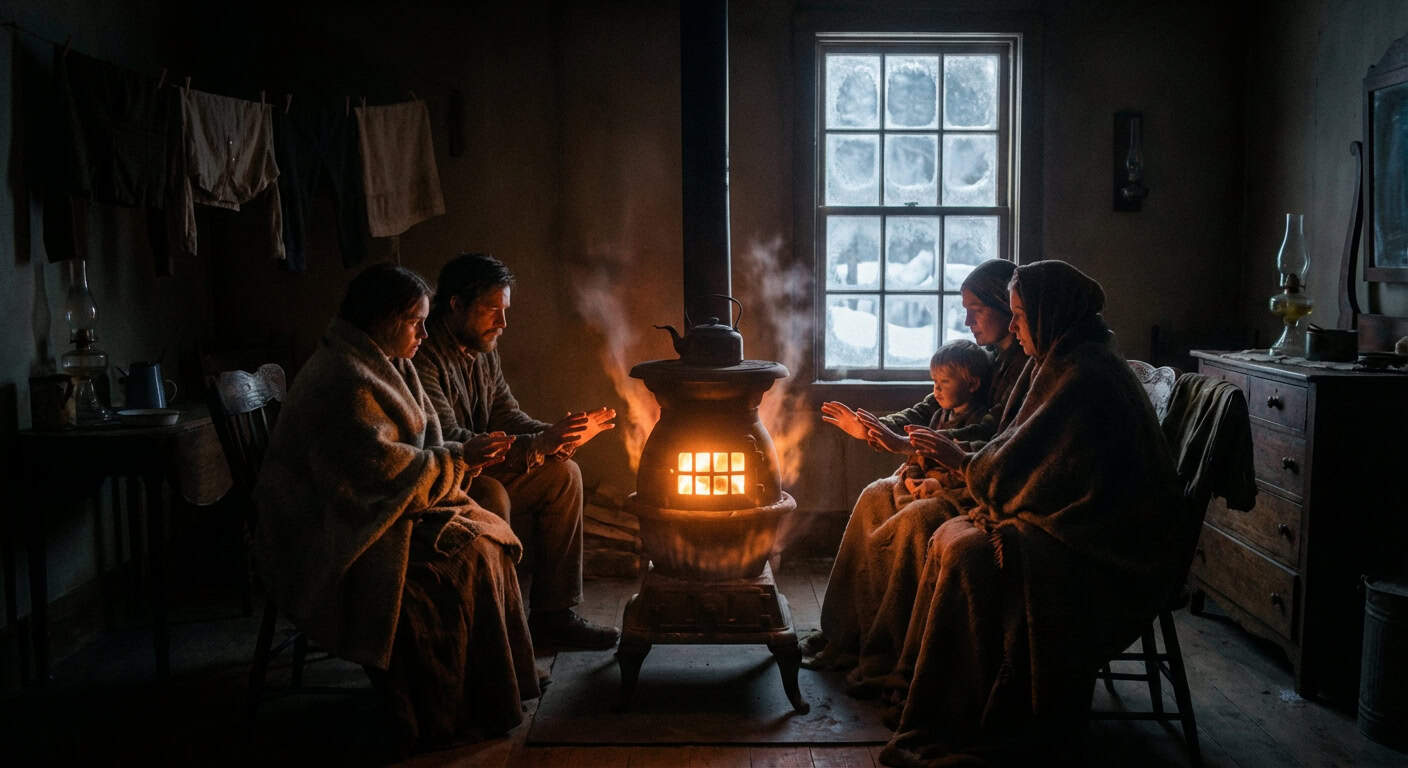
Walk into a modern home, and you touch a thermostat.
The furnace kicks on. The house gets warm. You forget about it.
It’s convenient. It’s invisible. It’s effortless.
Step into a home from 1900, and heat wasn’t a utility. It was a chore.
You chopped wood. You shoveled coal. You closed off rooms because you couldn’t afford to heat them.
But there was a certain coziness to huddling around a single heat source that modern “whole-house” climate control has lost.
Here are 15 ways we stayed warm before the invention of the smart thermostat.
1. Cast Iron Radiators
Steam heat is the sound of old New York.
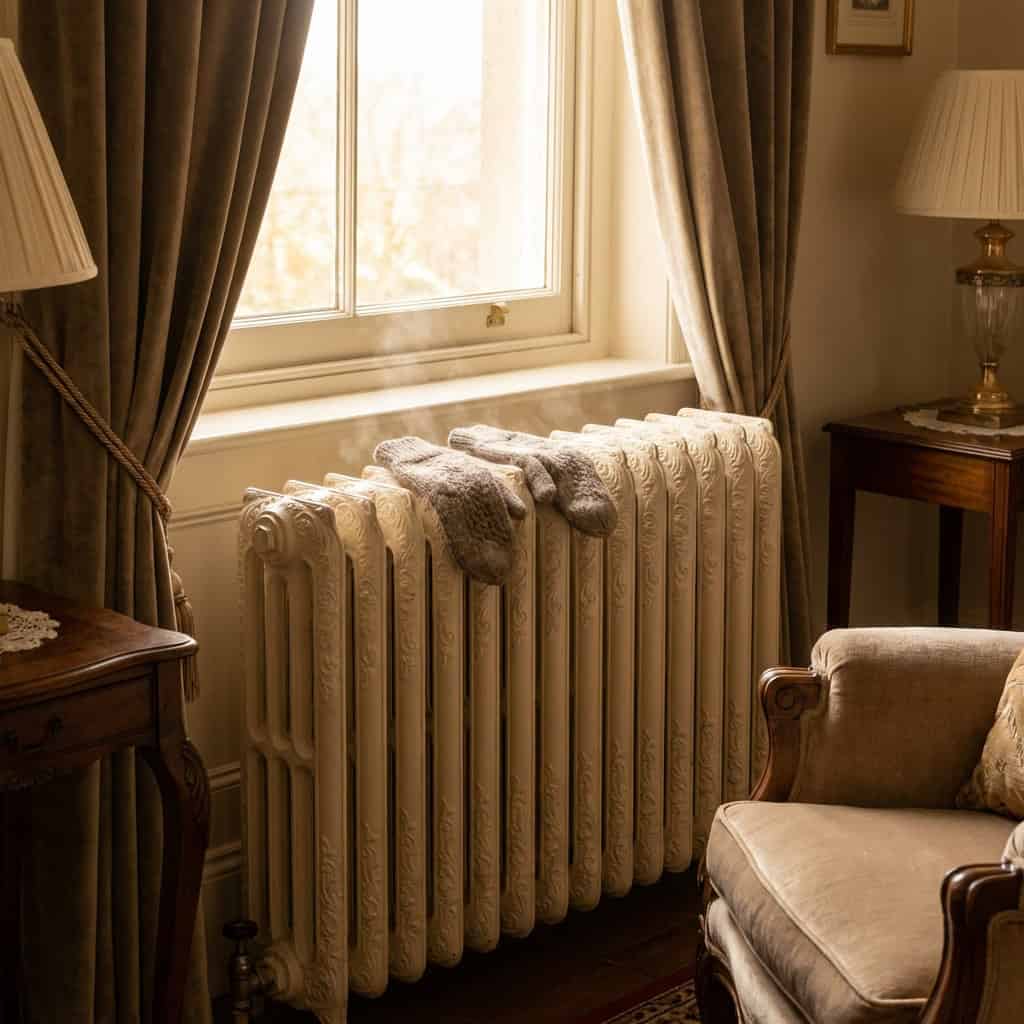
A boiler in the basement sent steam or hot water up to heavy, cast-iron ribs in every room.
They clanked. They hissed. They got so hot they could blister your skin.
But they had “thermal mass.” Once they got hot, they stayed hot for hours.
We ripped many out because they were bulky and ugly, but nothing—and I mean nothing—dries a pair of wet mittens faster than a cast iron radiator.
2. Bed Warmers

Bedrooms didn’t used to have heat.
If you went to sleep in an uninsulated farmhouse, you risked freezing.
The solution was the bed warmer. You filled a brass pan with hot coals from the fire and slid it between your sheets before bed.
It worked, but it was risky.
If the lid came loose, you set the bed on fire. We eventually replaced these with safer alternatives, but the concept was genius.
3. The Gravity Furnace (The Big Floor Grate)
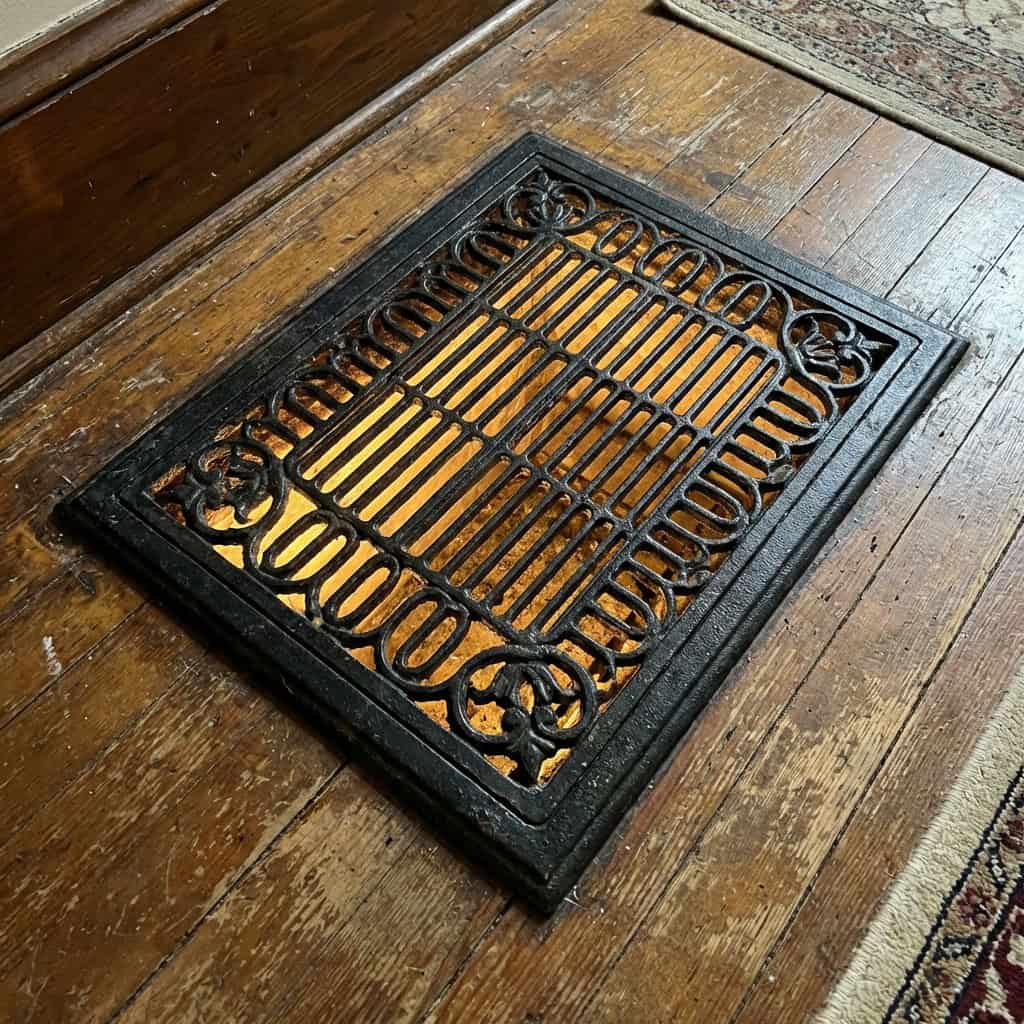
If you have a giant iron grate in the middle of your hallway floor, you had gravity heat.
These systems didn’t have blowers. They relied on physics.
A massive furnace in the basement heated air, which rose naturally through one central duct.
The family would stand directly on the grate to get warm.
It was simple and quiet, but the heat didn’t travel. The upstairs bedrooms remained ice lockers.
4. The Kerosene Heater
Sometimes, the main heat wasn’t enough.
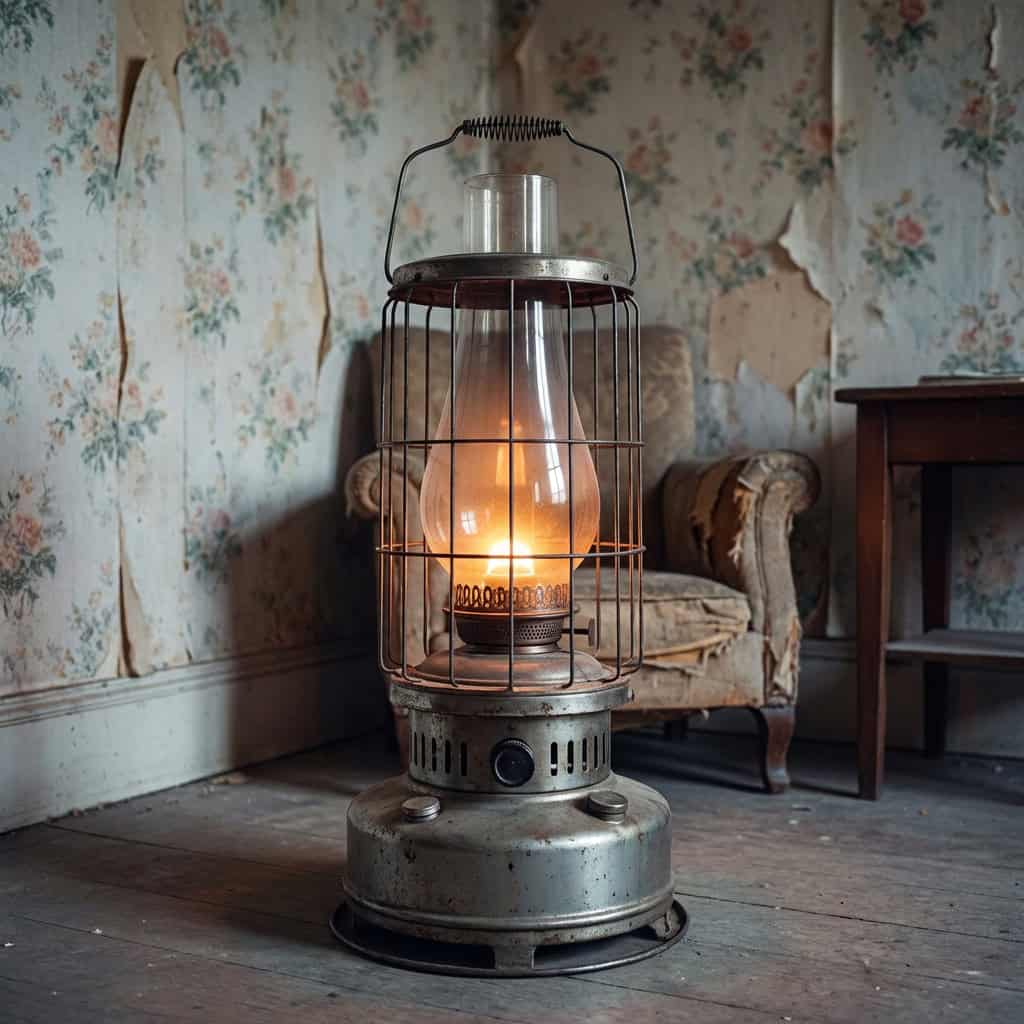
The kerosene heater was the portable solution. You carried it to the room you were using.
It produced instant, intense heat.
It also produced carbon monoxide and a distinct chemical odor.
They were a fire hazard if tipped over, but for a drafty room in the dead of winter, they were a lifesaver.
5. The Coal Stoker
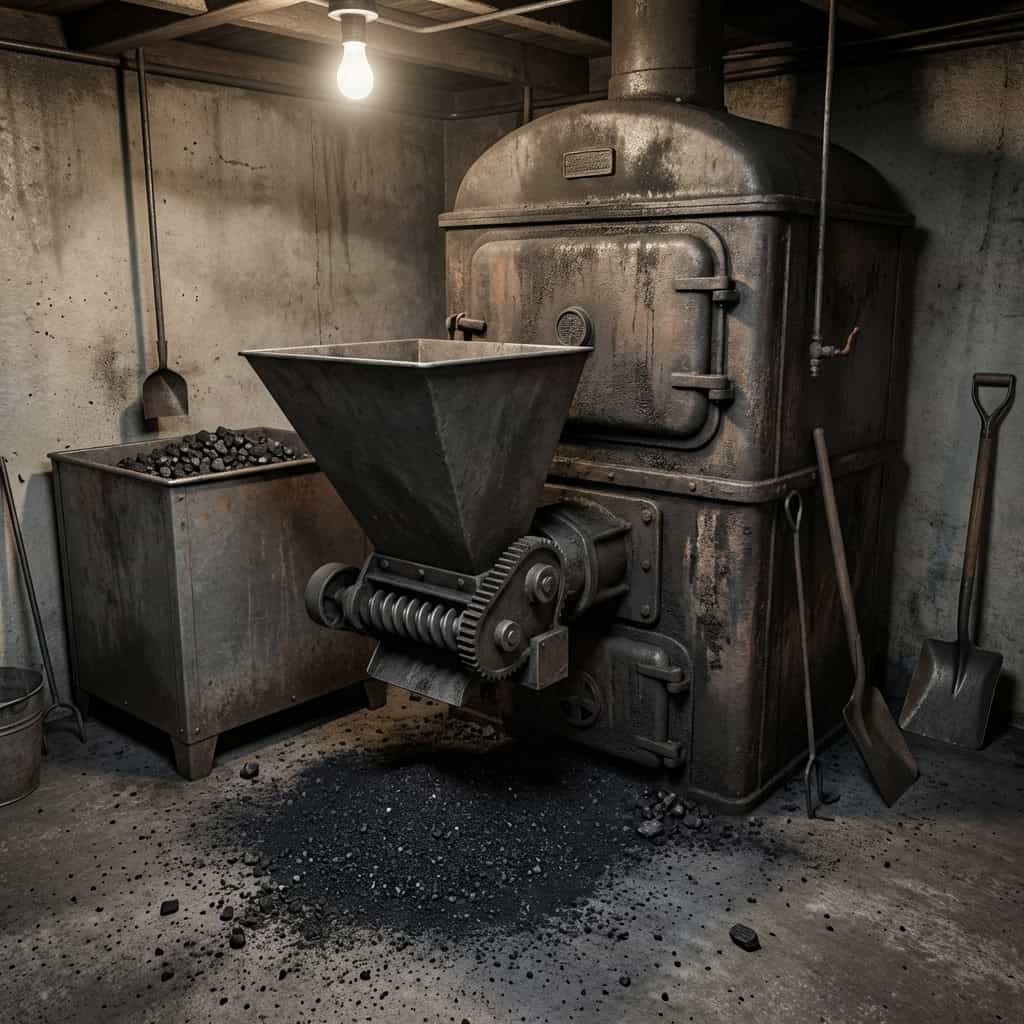
Before natural gas lines, we had the coal chute.
A truck dumped a pile of coal into your basement. You had to shovel it into the furnace every day.
The “Stoker” was a luxury upgrade. It was a mechanical worm gear that automatically fed coal into the fire.
It saved your back, but it was dirty business.
Coal dust covered everything in the basement. When oil and gas arrived, we happily cemented over the coal chutes.
6. The Gas “Radiant” Heater
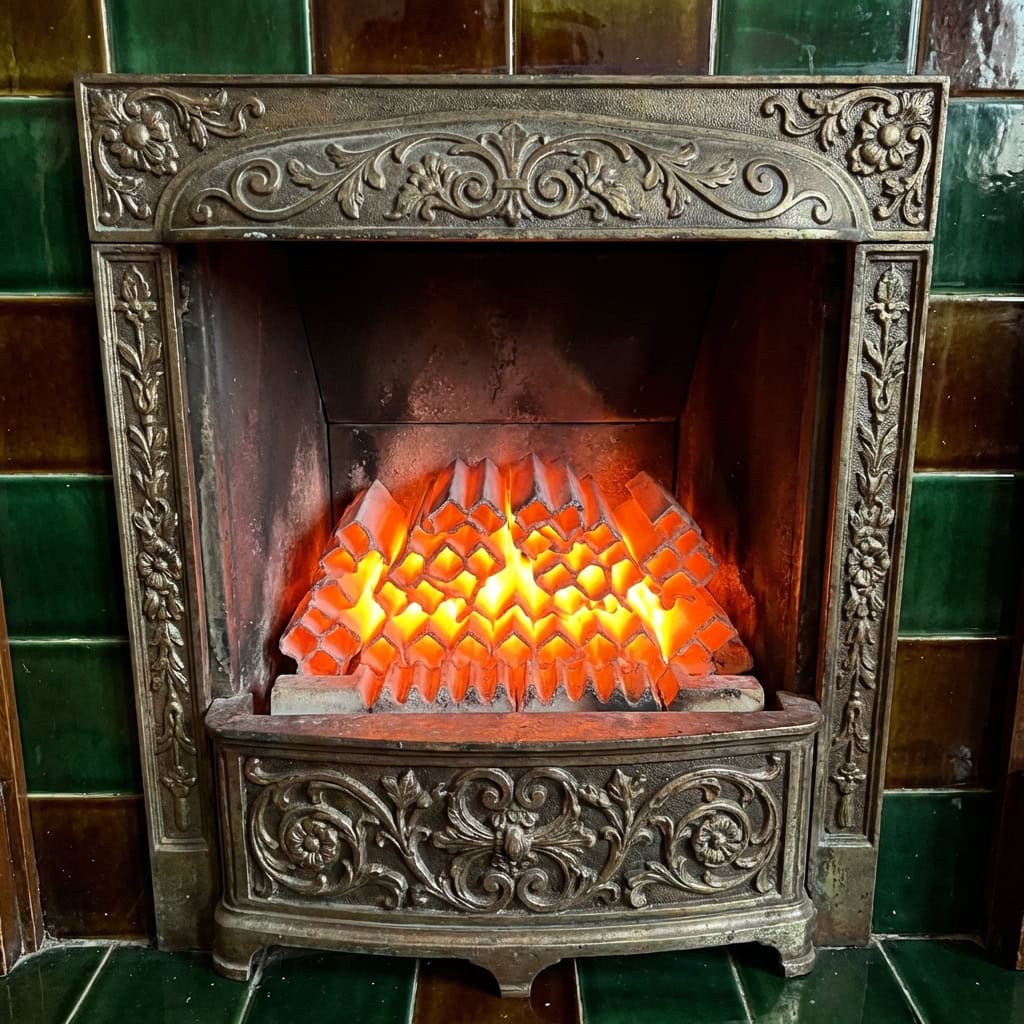
If you own a bungalow from the 1920s, check your fireplace.
You might see strange ceramic jagged “teeth” inside.
This was an early gas heater. The gas flame heated the ceramic elements until they glowed bright orange, radiating intense heat into the room.
They were efficient and beautiful in an industrial way.
They were also unvented. Today, we know running them without a flue is a carbon monoxide risk, so most have been disconnected.
7. The Wood Cook Stove

In many homes, the kitchen was the only warm room in the house.
The giant cast-iron cook stove ran all day. It baked the bread, boiled the water, and heated the downstairs.
It was the heart of the home.
The downside? It ran all day in July, too.
Summer cooking meant turning your house into a sauna. Modern ovens are better insulated, but they don’t offer the same bone-warming comfort on a snowy morning.
8. The Copper Bowl Heater
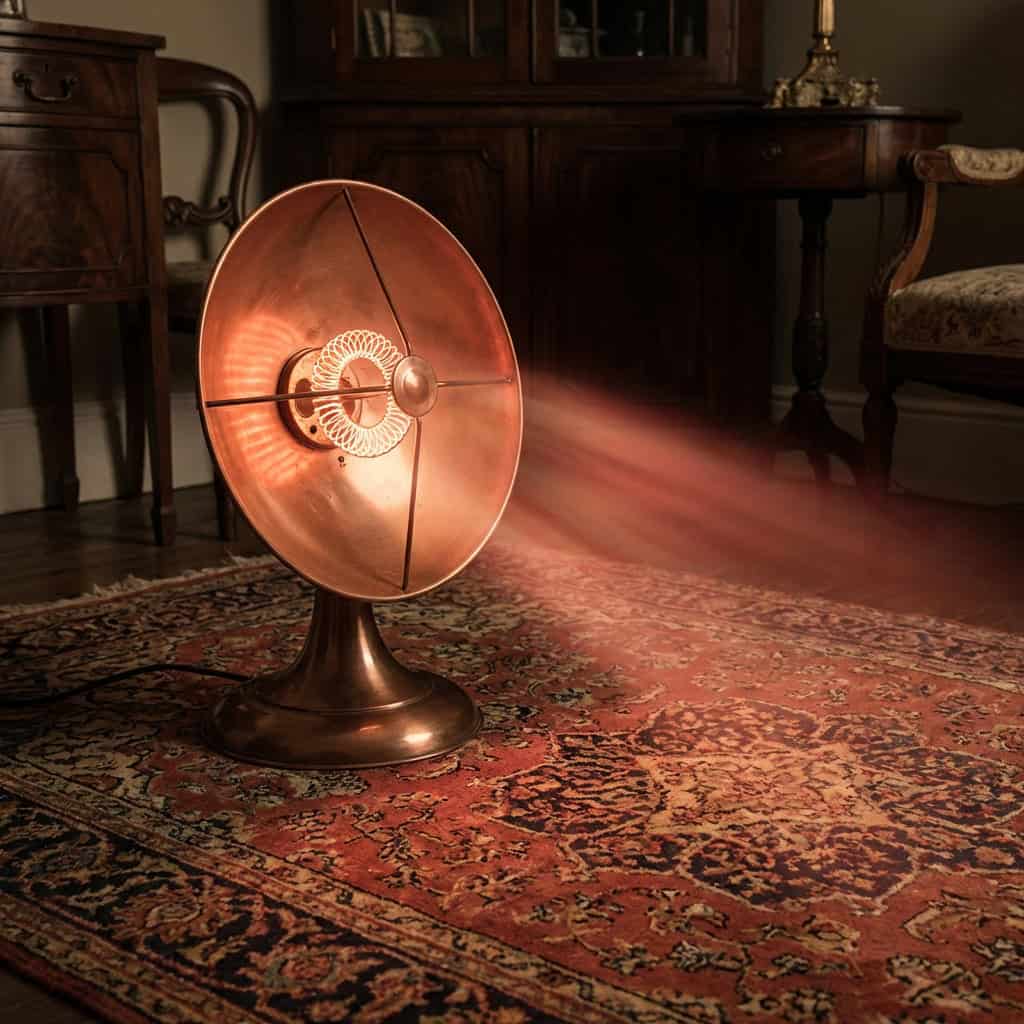
In the early days of electricity, we didn’t have ceramic space heaters. We had the “Bowl.”
It looked like a satellite dish made of copper with a glowing wire coil in the center.
It focused heat into a beam, like a flashlight.
If you sat directly in front of it, you cooked. If you moved three inches to the left, you froze.
They were beautiful, shiny objects, but they were infamous for tipping over and scorching the rug.
9. Foot Warmers
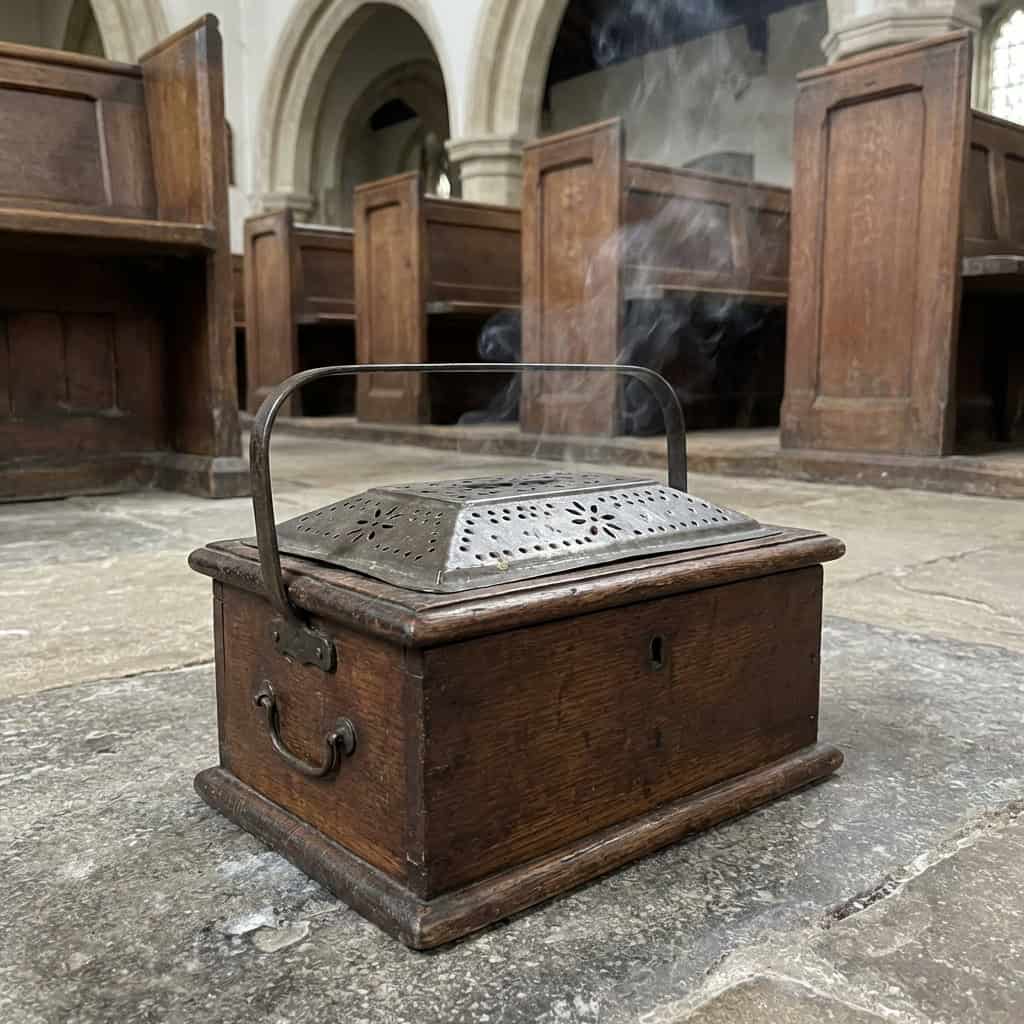
Going to church in the 1800s was a test of endurance. The buildings were unheated.
The solution was the foot warmer.
It was a small wooden or tin box with a handle. You placed a tray of hot coals inside and carried it with you.
You placed it on the floor and put your feet on top.
It kept your toes from frostbite during a two-hour sermon. It was personal, portable climate control.
10. The Potbelly Stove

If you walked into a general store or a small home in the 1800s, you saw the potbelly stove.
It was a cast-iron radiator fed by wood or coal.
Unlike a fireplace, it sat in the middle of the room, radiating heat in 360 degrees. It was efficient and hot.
But it was a hungry beast.
You had to feed it constantly, and if you let it go out, the room froze instantly.
11. Portieres (Draft Curtains)
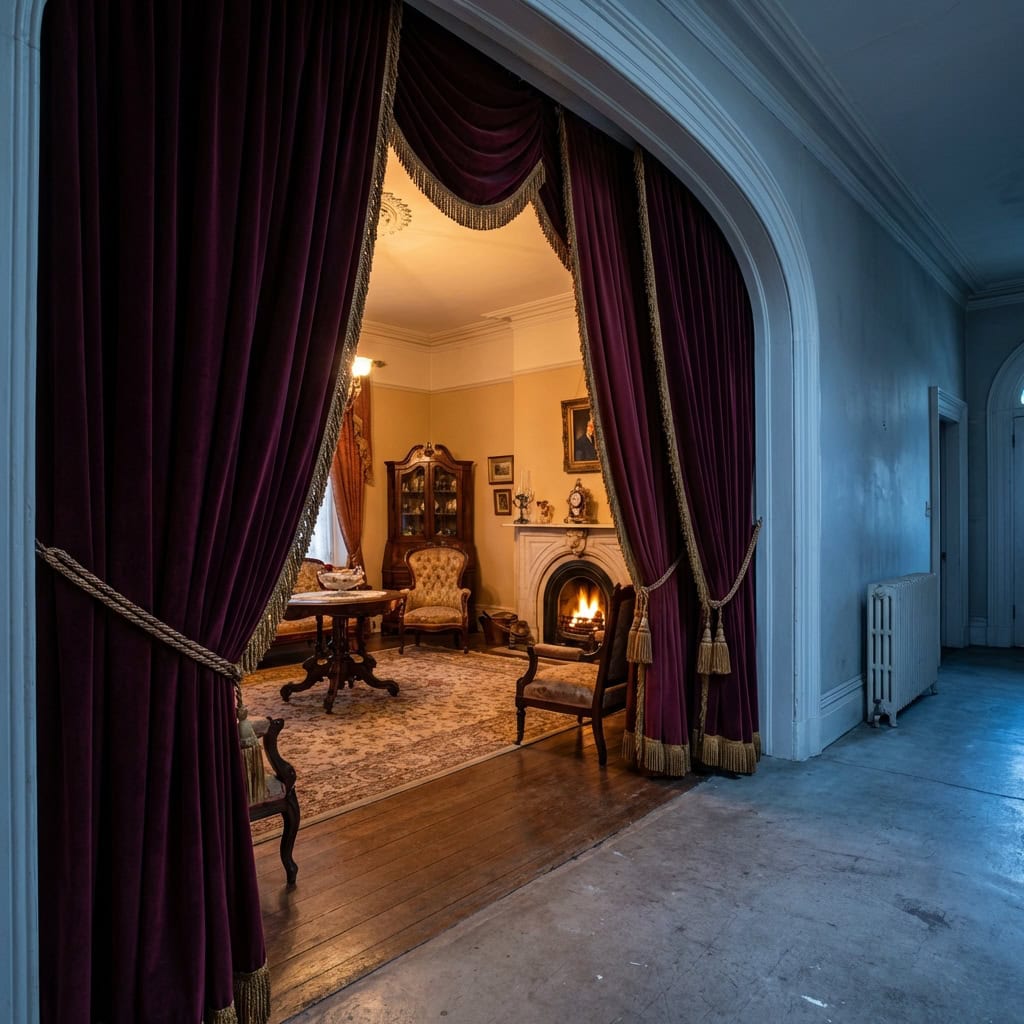
Open concept living is a modern luxury.
In the past, keeping heat required closing doors. But what about wide archways?
We used Portieres. These were heavy velvet or wool curtains hung in doorways to stop airflow.
They trapped the heat in the parlor and stopped the draft from the hallway.
We stopped using them when central heat became strong enough to warm the whole house, but they added a layer of texture and elegance we rarely see today.
12. The Hot Water Bottle
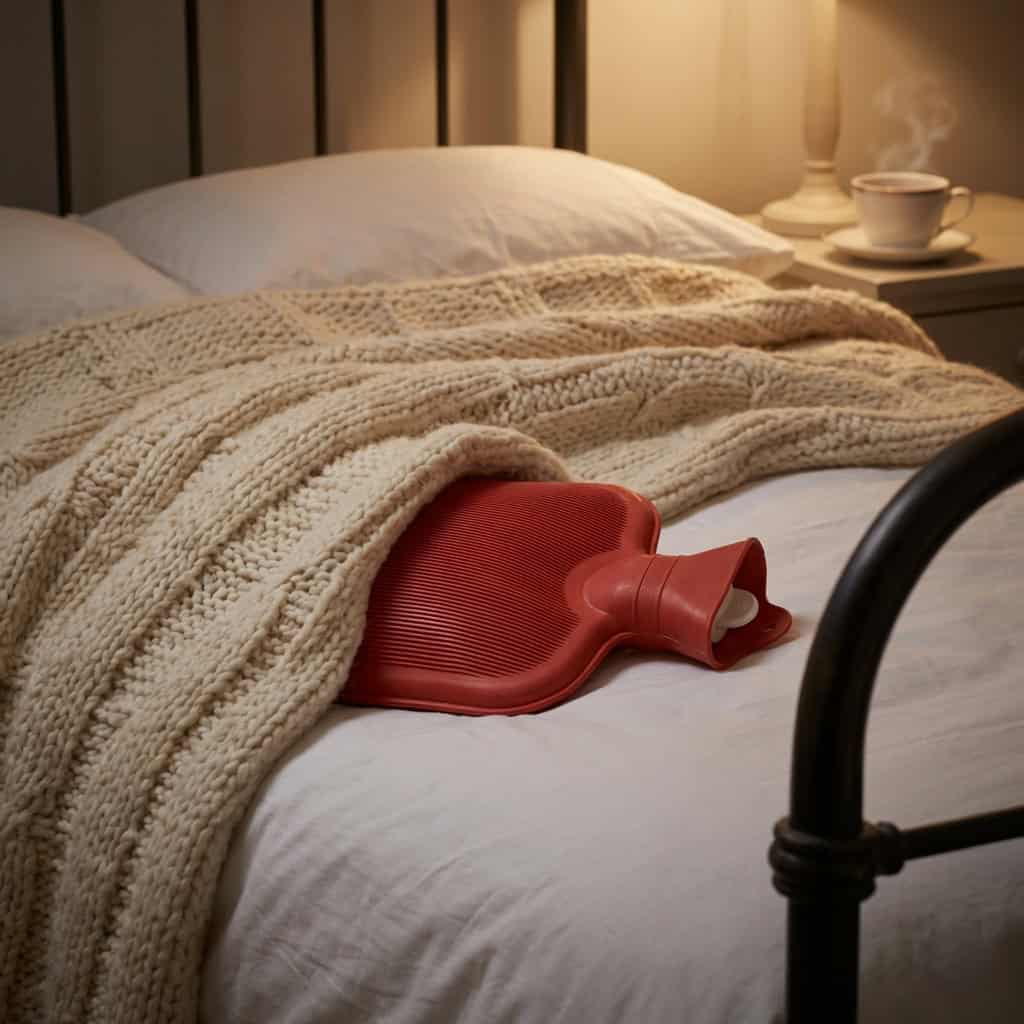
The brass bed warmer was dangerous. The rubber hot water bottle was revolutionary.
It was cheap. It was safe. It didn’t spill ash in your sheets.
You boiled a kettle, filled the rubber pouch, and tossed it under the quilt five minutes before bedtime.
Unlike electric blankets, they couldn’t short circuit.
They are still sold today because sometimes the simplest solution is the best one.
13. The Oil Furnace
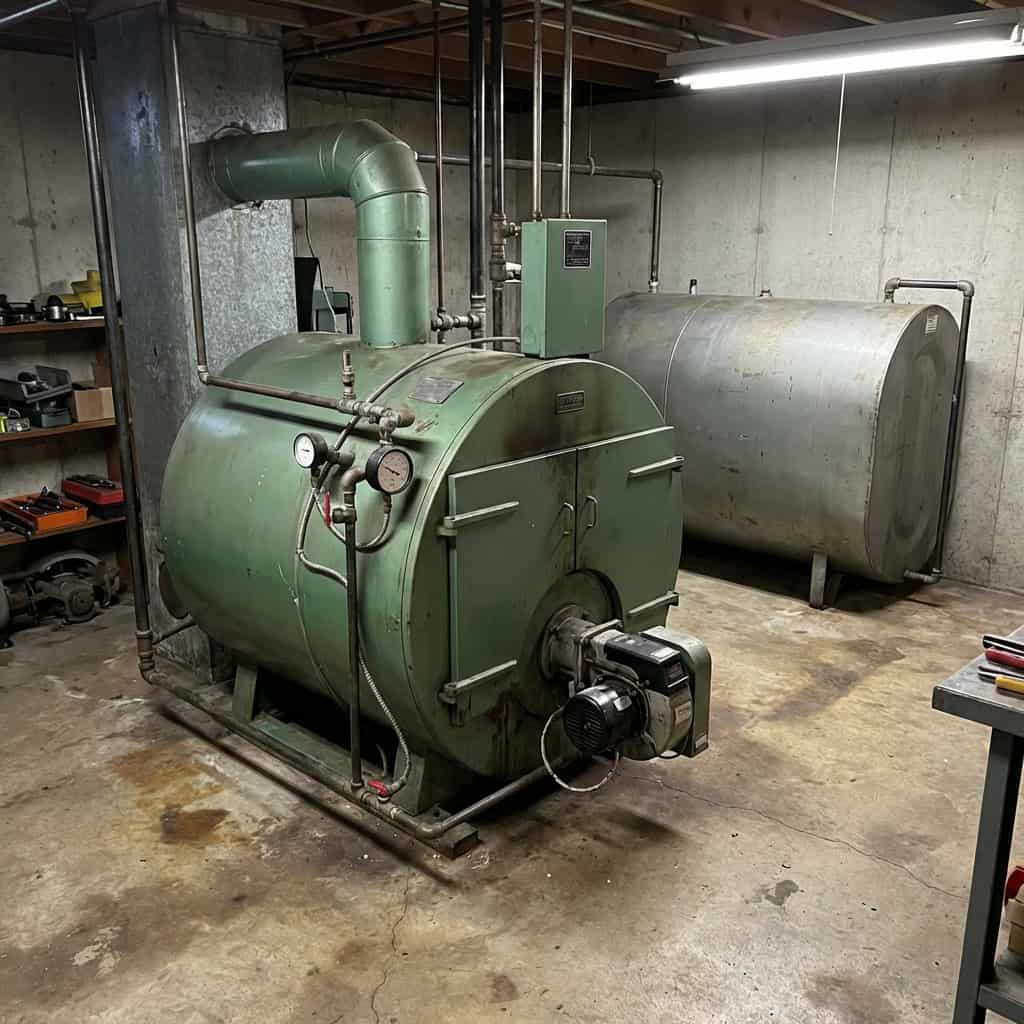
In the mid-20th century, we got tired of shoveling coal.
Oil was the future. A truck came, filled a tank in your basement, and a burner atomized the fuel to create heat.
It was automatic. It was powerful.
It also smelled.
If you grew up with one, you know the faint scent of diesel in the basement. Today, we are swapping them for heat pumps, but millions of these workhorses are still chugging along.
14. The Franklin Stove
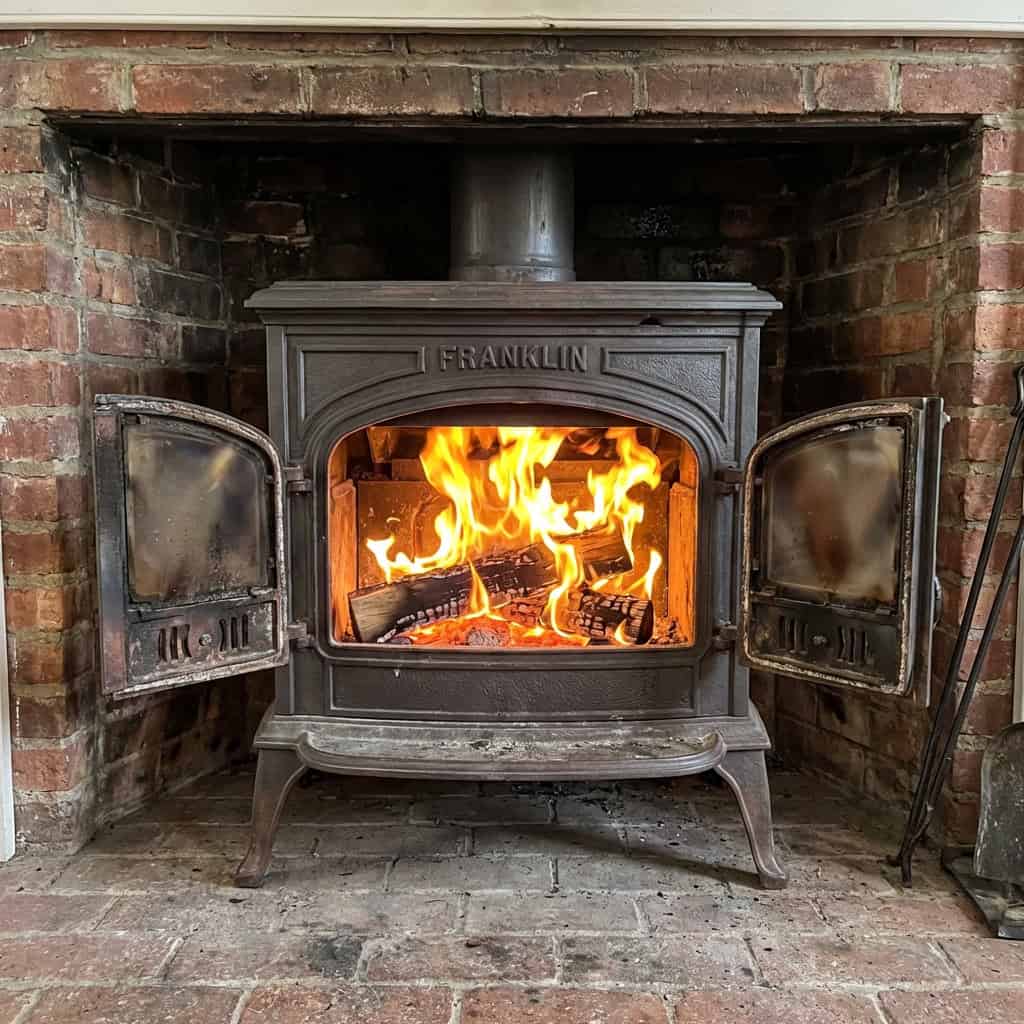
Benjamin Franklin looked at the open fireplace and thought, “We can do better.”
He invented a metal-lined fireplace that stood out in the room.
It allowed air to circulate around the firebox, capturing heat that used to go up the chimney.
It was the bridge between the open hearth and the modern wood stove.
It proved that heating was a science, not just a hole in the wall.
15. The Open Hearth Fireplace
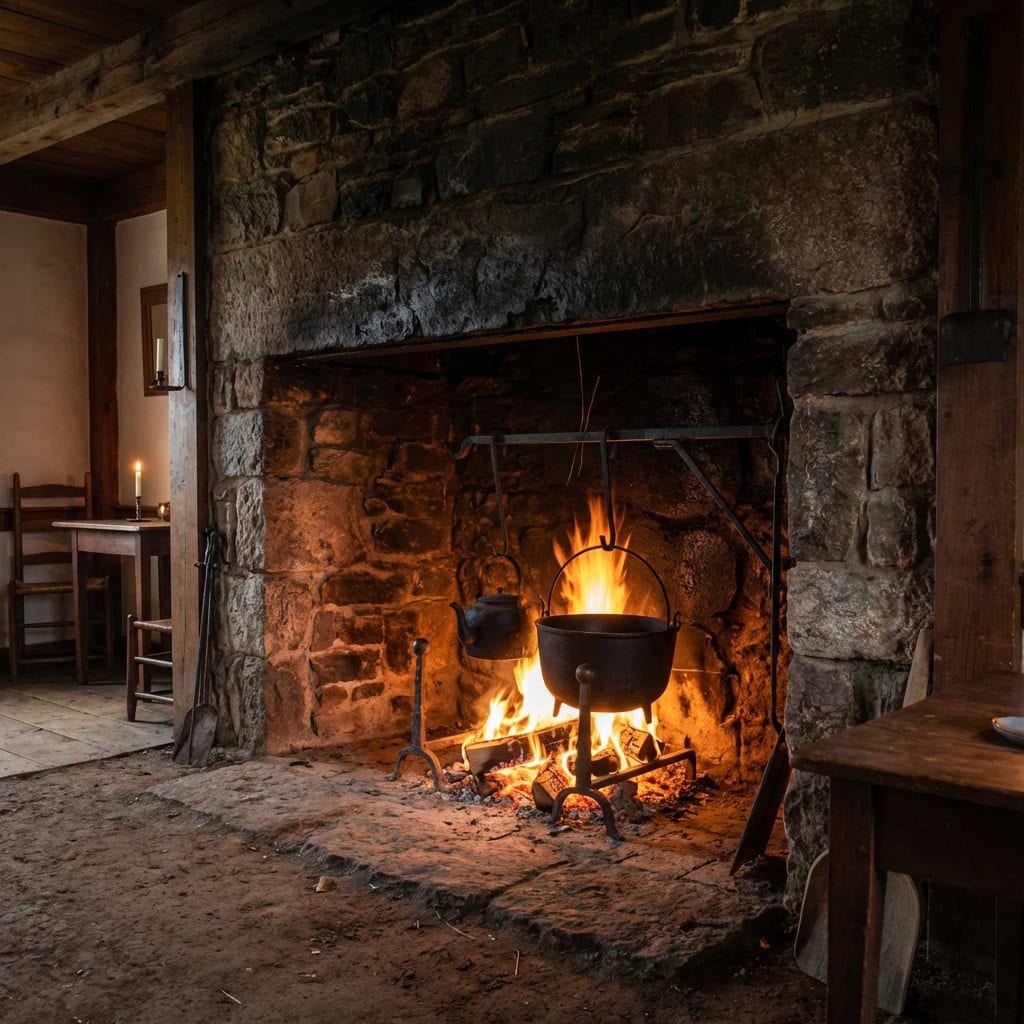
For centuries, the fireplace wasn’t an accent piece. It was the center of survival.
It cooked your food and heated your main room.
It was romantic, sure.
But it was terrible at heating a house. Most of the heat went right up the chimney, pulling cold drafts in from the windows to replace it.
You famously roasted your face while your back froze.
Conclusion
We look at these methods and see inconvenience.
We see ash to clean. We see wood to chop.
But we also see intention.
Staying warm used to be an active part of life, not a passive background utility.
While I don’t miss shoveling coal, I do miss the feeling of thawing my frozen hands over a cast iron radiator.
That was heat you could feel in your bones.