


The bid looks clean. One page, a few line items, a number at the bottom that fits your budget if you squint.
Then demo day happens.
Somewhere around week three, a homeowner finds out that the $300 faucet allowance doesn’t cover the faucet they picked, that the subfloor under the sink cabinet is soft, and that the word “estimate” at the top of page one was doing a lot of quiet work.
None of this means contractors are crooks. Most aren’t. But a contract is written by the person who wrote it, and the parts that protect you are the parts you have to ask for.
Here are 30 things that rarely come up before the pen hits the paper.
1. The Number at the Bottom of the Bid Is Not the Number You’ll Pay

In most states, an “estimate” is exactly that. A good-faith guess with no legal obligation attached.
Typical kitchen remodels land 10 to 25 percent above the signed figure. That’s not disaster money — that’s normal money, and nobody warns you about it at the signing table.
Two phrases change everything: fixed price or not to exceed. Ask for one of them in writing. Watch how the conversation shifts.
A contractor who won’t commit to either is telling you the number is soft.
2. The Deposit They’re Asking For May Be Illegal Where You Live

California caps home-improvement down payments at 10 percent or $1,000 — whichever is less. On a $40,000 kitchen, that’s a thousand dollars. Not twenty thousand.
Several other states have their own caps and rules. Most homeowners never check.
A contractor asking for half up front isn’t necessarily dishonest, but he’s asking you to finance his business. Materials deposits are reasonable. Half the job before anyone touches a cabinet isn’t.
3. The Faucet You Bought Online Voids Their Labor Warranty

You found the faucet. Brushed gold, pull-down, the one that made the whole design click. It’s sitting in the garage in its box.
Most remodeling contracts quietly exclude labor warranty on owner-supplied fixtures. If the cartridge arrives defective, the trip charge to come back and swap it is yours.
Buy it anyway if you love it — just buy it early, buy it complete, and open the box the day it arrives. Missing mounting hardware discovered on install day costs a full crew day.
Then get one sentence added to the contract: who covers labor if an owner-supplied fixture fails in the first year. Knowing which type of faucet you actually want before the bid stage saves a surprising amount of grief later.
4. The Allowance Line Is Set Low on Purpose

An $8,000 cabinet allowance. A $300 faucet allowance. A $2,500 countertop allowance.
These numbers exist to make a bid look competitive against the other two bids on your counter. They’re almost never what you’ll actually spend.
Price your real selections before signing. Walk the showroom, write down model numbers, get the actual quote. Then make the contractor rewrite the allowance to match reality.
A bid with honest allowances looks more expensive. It’s usually cheaper.
5. Moving the Sink Three Feet Costs More Than the Sink

Three feet of pipe costs almost nothing. That’s not what you’re paying for.
You’re paying for drain slope — a quarter inch of fall per foot, which has to come from somewhere. You’re paying for re-venting to code, opening the floor or cutting a slab, patching, and a second inspection.
A “simple” sink relocation routinely outruns the combined cost of the sink, the faucet, and the disposal. On a slab foundation it can double.
6. Change Orders Are Where the Margin Lives

Scope creep adds roughly 10 to 15 percent to cost and about 30 percent to the timeline on a typical job.
Change-order pricing is almost never held to the original bid’s markup. You negotiated hard on the contract. You won’t negotiate at all on the mid-project add.
One rule, no exceptions: no work starts on a change until the price and the added days are signed. Verbal approvals in a dusty kitchen have a way of becoming four-figure invoices.
7. Nobody Knows What’s Under the Sink Cabinet Until Demo Day

The sink base is the wettest cabinet in your house. It has been for years.
Supply lines weep a few drops a day. Disposal gaskets fail slowly. The drain flange seal cracks and water tracks sideways under the cabinet bottom where you never see it. By the time anything shows on the surface, the subfloor has been damp for a long time.
Signs you can check this weekend: a cabinet bottom that’s darker near the back, a soft spot you can press with a thumb, cupped or delaminated particleboard, a musty smell that returns within a day of cleaning, rust rings around the shutoff valve bases, or a toe kick that’s swollen at the corners. Any one of those means the floor underneath deserves a look.
When the cabinet comes out and the subfloor is black and spongy, the job stops. Now you’re looking at cutting back plywood to solid framing, possibly sistering a joist, and if mold has spread into the wall cavity, containment and remediation by a separate crew.
Water damage and mold remediation commonly run $2,000 to $6,000 and up. Almost none of it appears in the original bid, because nobody could see it.
This is the single strongest argument for a written contingency fund. Put 10 to 15 percent of the contract price aside before demo, in writing, with a clear process for approving draws from it. Then if demo day is clean, you just got a refund.
8. ‘Licensed and Insured’ Is a Phrase, Not a Document

It’s printed on the truck. It’s on the business card. It means nothing until you see paper.
Ask for three things. The license number, which you verify yourself on your state licensing board’s website — not a photo of a card. A certificate of insurance for general liability. And proof of workers’ compensation coverage.
The certificate matters more than people realize. Ask for it to be sent directly from the insurance agent, with your name and property address listed as certificate holder. A PDF forwarded by the contractor can be expired, canceled, or belong to a different entity.
Check the policy dates against your project dates. A policy that expires in week four of a six-week job is a problem nobody will mention.
Workers’ comp is the one that can genuinely hurt you. If an uninsured worker falls off a ladder in your kitchen, the claim can land on your homeowners policy — and your premium. The Federal Trade Commission has been telling homeowners to verify this for decades, and it’s still the step most people skip.
Call the agent listed on the certificate. Thirty seconds on the phone confirms the policy is active. Do it.
9. Your Countertop Can’t Be Templated Until the Sink and Faucet Are On Site

Stone fabricators don’t template from drawings. They come to your house, lay digital templates on the installed cabinets, and measure to the actual sink sitting in the actual base.
The faucet matters just as much. Hole count, spread, whether there’s a soap dispenser or an air switch — all of it gets drilled at the shop, not on site.
So if your faucet is still in transit, or you swap a single-hole for a four-hole configuration after template, the whole job stalls. Re-drilling finished stone, when it’s even possible, costs money and sometimes cracks it.
Have the sink and faucet physically in the house before cabinets are set. Not ordered. In the house.
10. Your House Can Be Liened Even After You’ve Paid in Full

This is the ugliest one.
You pay the general contractor every dollar on schedule. He doesn’t pay the plumber, or the cabinet supplier, or the stone fabricator. Those parties can file a mechanic’s lien against your house.
You can end up paying twice for the same work. It happens often enough that most state attorneys general publish warnings about it.
The protection is simple and almost nobody asks for it: a signed lien waiver from every subcontractor and supplier, collected with each progress payment. No waiver, no check.
Mortgage lenders already require this on renovation loans — Fannie Mae builds lien waiver requirements right into its renovation guidelines. If it’s good enough for the bank’s money, it’s good enough for yours.
11. The Shutoff Valves Under Your Sink Will Fail the Day Someone Touches Them

Old multi-turn angle stops are fine right up until someone closes them for the first time in twelve years.
Then the packing nut weeps, or the stem seizes, or the whole valve won’t reopen. Now the plumber is cutting into your supply line on a day that wasn’t budgeted for plumbing.
Write it into the bid up front: new quarter-turn stops and new braided stainless supply lines, both sides. It’s maybe $80 in parts on a job that’s costing thirty grand.
And quarter-turn valves actually work in an emergency, which the old ones frequently don’t.
12. The Lowest Bid Is Usually the Most Expensive One

Three bids come back: $38,000, $41,000, and $26,000.
The $26,000 bid is not a bargain. It’s missing scope, or substituting materials, or priced to be recovered through change orders once your old kitchen is in a dumpster and you have no leverage.
Compare bids line by line, never bottom line. Look specifically at what the cheap bid doesn’t list — electrical upgrades, disposal, dump fees, floor protection, final cleaning.
Home improvement complaints sit near the top of consumer protection lists year after year, and the super-low bid is the most reliable entry point.
13. The Permit Becomes Your Problem, Not Theirs

Unpermitted work follows the house. The contractor moves on.
It surfaces at appraisal, on your resale disclosure form, and occasionally during an insurance claim when an adjuster asks who did the plumbing. Buyers’ agents look for it now.
Any time plumbing, gas, or electrical moves, there’s a permit. If a contractor suggests you pull it as the homeowner, pay attention — that’s often a signal he can’t, because of a license issue.
14. Opening the Walls Triggers Code Upgrades Nobody Bid

The inspector is standing in your kitchen now. Current code applies to what he can see.
GFCI protection on counter receptacles. Two dedicated 20-amp small-appliance circuits. Proper wiring for the disposal and dishwasher. A high loop or air gap on the dishwasher drain. Correct venting for the sink.
None of it is optional. Almost none of it is in a bid that came in suspiciously low.
Ask the question directly before signing: if the inspector requires code upgrades at rough-in, who pays?
15. If Your House Predates 1978, Federal Lead Rules Apply

The EPA’s Renovation, Repair and Painting rule isn’t a suggestion. It’s federal law for any home built before 1978 where painted surfaces get disturbed.
That covers almost every kitchen demo in an older house. Removing cabinets scrapes walls. Cutting drywall for new plumbing makes dust. Pulling baseboard takes paint with it.
A compliant firm has to be EPA-certified, use a certified renovator on site, and follow contained work practices: plastic sheeting over doorways and floors, HEPA vacuums instead of shop vacs, no open-flame or high-heat paint removal, no uncontained power sanding, and a verified cleanup at the end.
All of that takes setup time, which costs money, which is exactly why some remodelers skip it.
Ask for the firm’s RRP certification number and the renovator’s certificate before demo starts. Ask whether they’ll be doing containment and cleaning verification. A certified firm answers in about four seconds. An uncertified one changes the subject.
The EPA enforces this with real penalties against contractors who ignore it. That doesn’t help you much if lead dust has already been spread through your house, so verify first.
If you have small children or anyone pregnant in the home, this is not the corner to let anybody cut.
16. Cabinets Aren’t Ordered the Day You Sign

Final field measurements usually wait until after demo, because nobody trusts a measurement taken over existing drywall.
Then the order goes to the factory. Semi-custom lines run weeks. Custom runs longer. Your signing date and your cabinet build date can be a month and a half apart, and the clock on your kitchen-free life starts at demo, not delivery.
Ask for three dates in writing: when the order is placed, the factory’s acknowledged ship date, and the delivery date. Then ask one more question — who pays if a box comes in mis-measured.
17. That Old Sheet Vinyl May Need Testing Before Anyone Swings a Hammer
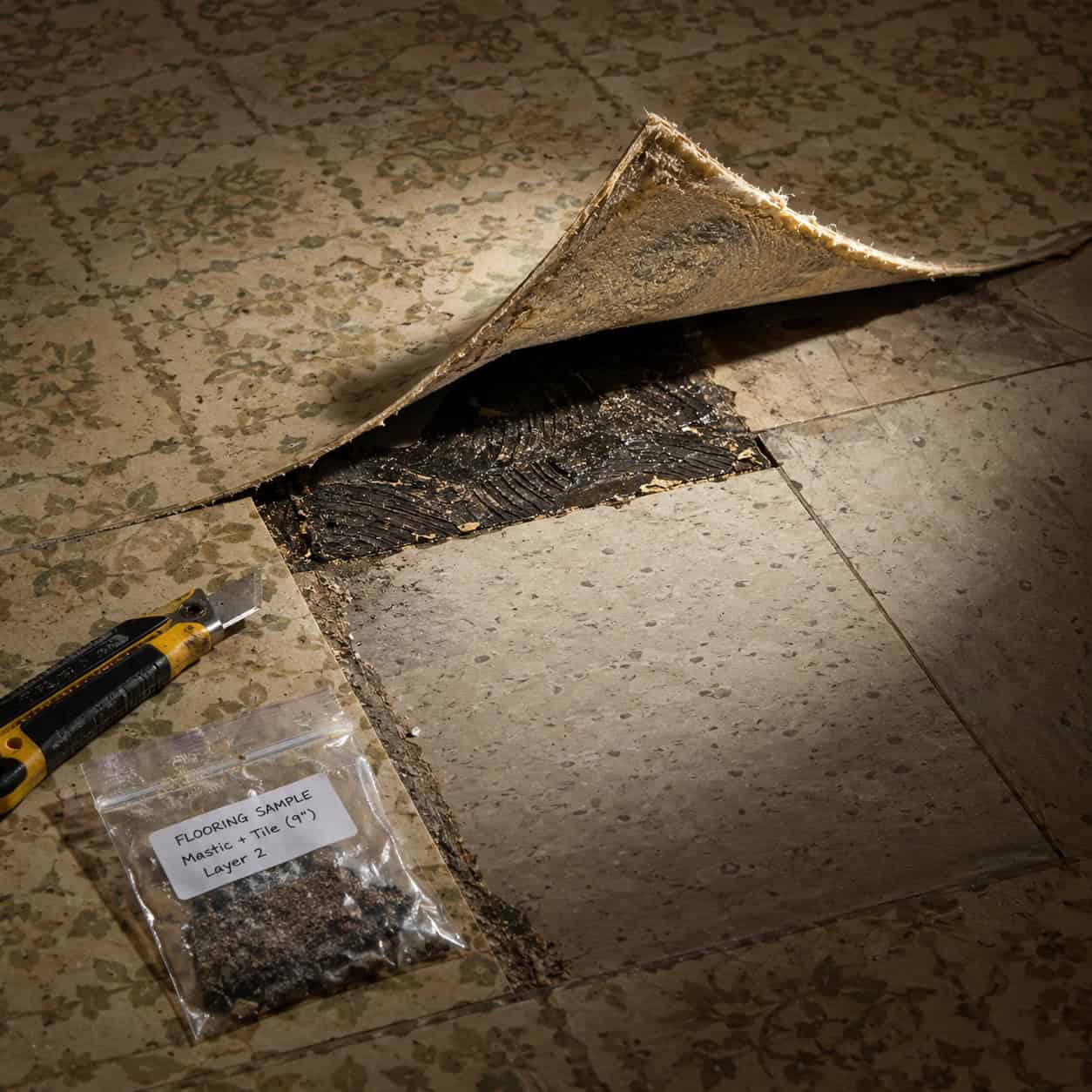
Nine-inch floor tile, old sheet vinyl, and the black mastic underneath all commonly contain asbestos if they went down before the mid-1980s. So do some older sheet flooring backings.
Intact and covered, it’s generally not a hazard. Dry demo with a pry bar and a grinder is the worst possible way to handle it, because that’s what puts fibers in the air — in a room your family breathes in daily.
Testing is cheap. A lab sample typically runs under a hundred dollars and takes a few days. Compare that to abatement, where professional asbestos floor tile removal commonly runs well past a thousand dollars and can reach several thousand on a larger kitchen.
There’s a middle path people don’t hear about: encapsulation. If the old flooring is in sound condition, new underlayment can go right over it, leaving the asbestos undisturbed and sealed. That’s often both cheaper and safer than removal.
But that decision has to be made before demo day, not when a crew has already started scraping.
18. They’re Running Two or Three Other Jobs This Week

Your gutted kitchen sits untouched Tuesday and Wednesday. Nobody calls.
The crew is finishing someone’s bathroom across town, or waiting on an inspection at a third site. Stacking jobs is how small contractors stay solvent — it’s not personal, but it is your timeline.
Ask at the interview: how many active projects is this crew carrying? Then ask whether the contract includes a continuous-work clause. Most don’t, and asking for one tells you a lot about how the answer lands.
19. The Person Who Sold You the Job Isn’t the Person Doing It

The designer who sat at your table for two hours with the sample binder is a salesperson. Once the deposit clears, you may never see them again.
The actual work goes to subs you’ve never met — a plumber, an electrician, a tile guy, a finish carpenter who all show up on their own schedules.
Ask who the plumber is by name. Ask whether he’s separately licensed. Ask who is physically on site each day with authority to make a decision when something unexpected turns up.
“We’ll figure that out later” is an answer, and not a good one.
20. Your Old Supply Lines Will Get Blamed on the New Faucet
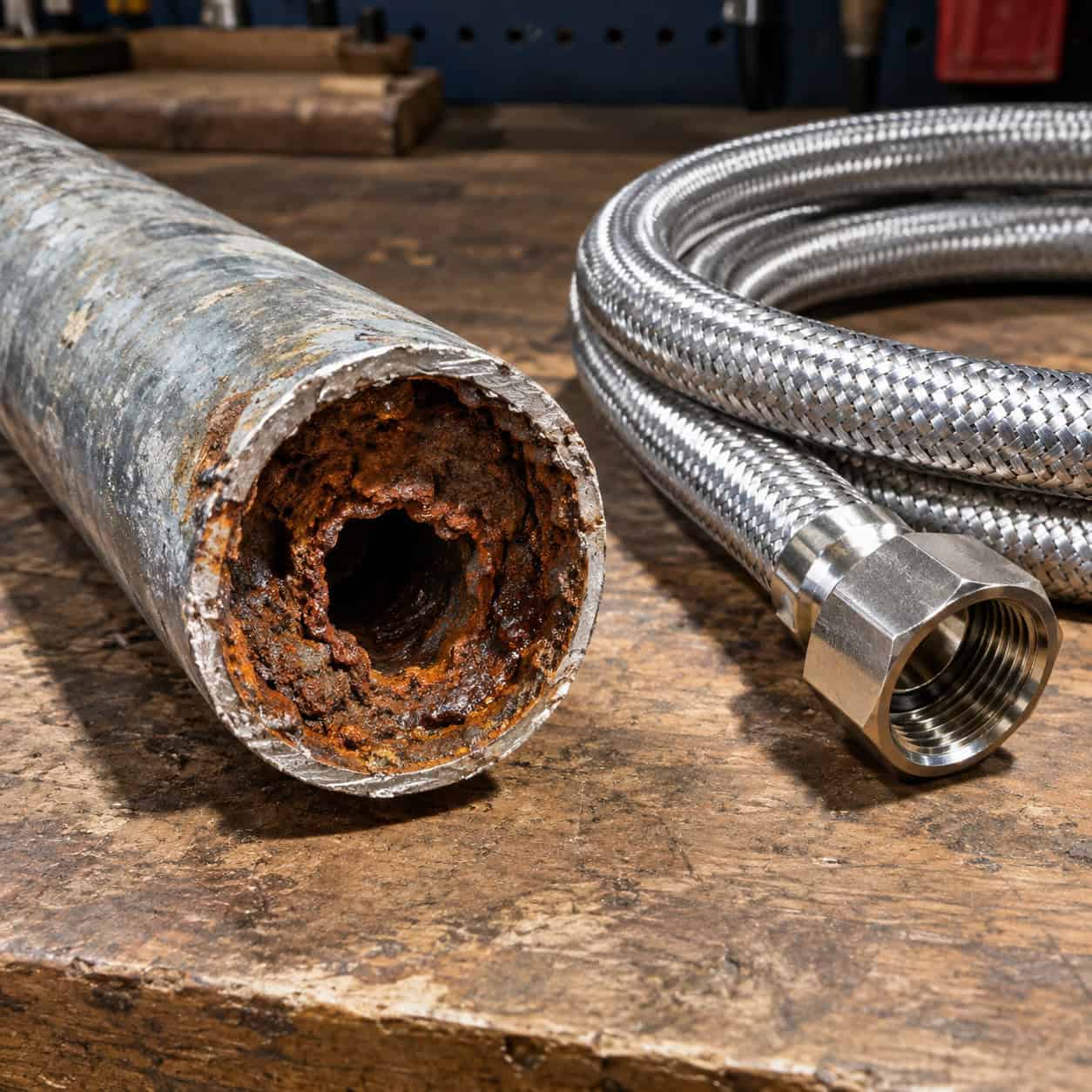
Galvanized steel pipe corrodes from the inside. A three-quarter-inch line can narrow to the diameter of a pencil over fifty years.
Install a beautiful new pull-down on top of that and you get weak flow and rusty water. You blame the faucet. The contractor blames the house. Nobody budgeted a repipe.
Before signing, have someone check pressure at the sink and identify the pipe material. If you’ve already got low pressure on the hot side only, that’s a clue worth chasing down before the walls close up.
21. They Pay Trade Price, You Pay Retail

Contractors buy fixtures, sinks, and cabinets at dealer pricing and bill them at retail or above. Markups of 10 to 35 percent on materials are standard.
This isn’t a scam. Markup covers warehousing, handling, warranty hassle, and the fact that he eats it when a sink arrives chipped.
But you deserve to know it exists, because it changes what’s worth supplying yourself. A faucet with a big retail markup might be worth buying direct. Cabinets almost never are — the handling risk outweighs the savings.
22. There’s No Completion Date Anywhere in the Contract

Go look. Most bids have a start date and nothing else.
A substantial-completion date creates accountability, which is precisely why it’s missing. Without one, “we’re almost done” can last five weeks.
Insist on a completion date plus a reasonable remedy if it slips badly — a modest daily credit, or a defined escalation. Freddie Mac puts written timelines near the top of its contractor advice for exactly this reason.
23. ‘We’ll Take Care of That’ Doesn’t Survive the Signature

Patching the floor at the doorway. Running the water line to the fridge. Hauling away the old range. Moving the outlet six inches.
Every one of those was agreed to while standing in your kitchen, and every one of them becomes a change order if it isn’t typed into the scope.
Keep a running list during walkthroughs. Before signing, read it back out loud and ask: is each of these in the written scope? Watch which ones get hedged.
24. Page Six Has an Arbitration Clause

Pre-printed contracts frequently waive your right to go to court. Disputes go to binding arbitration instead.
Read the details, because they matter. Where does arbitration happen — often the contractor’s home county, not yours. Who picks the arbitrator. Who pays the fees, which can run into thousands.
All of it is negotiable before you sign. None of it is negotiable after.
25. Dumpsters, Dust Walls and the Port-a-Potty Are ‘Exclusions’
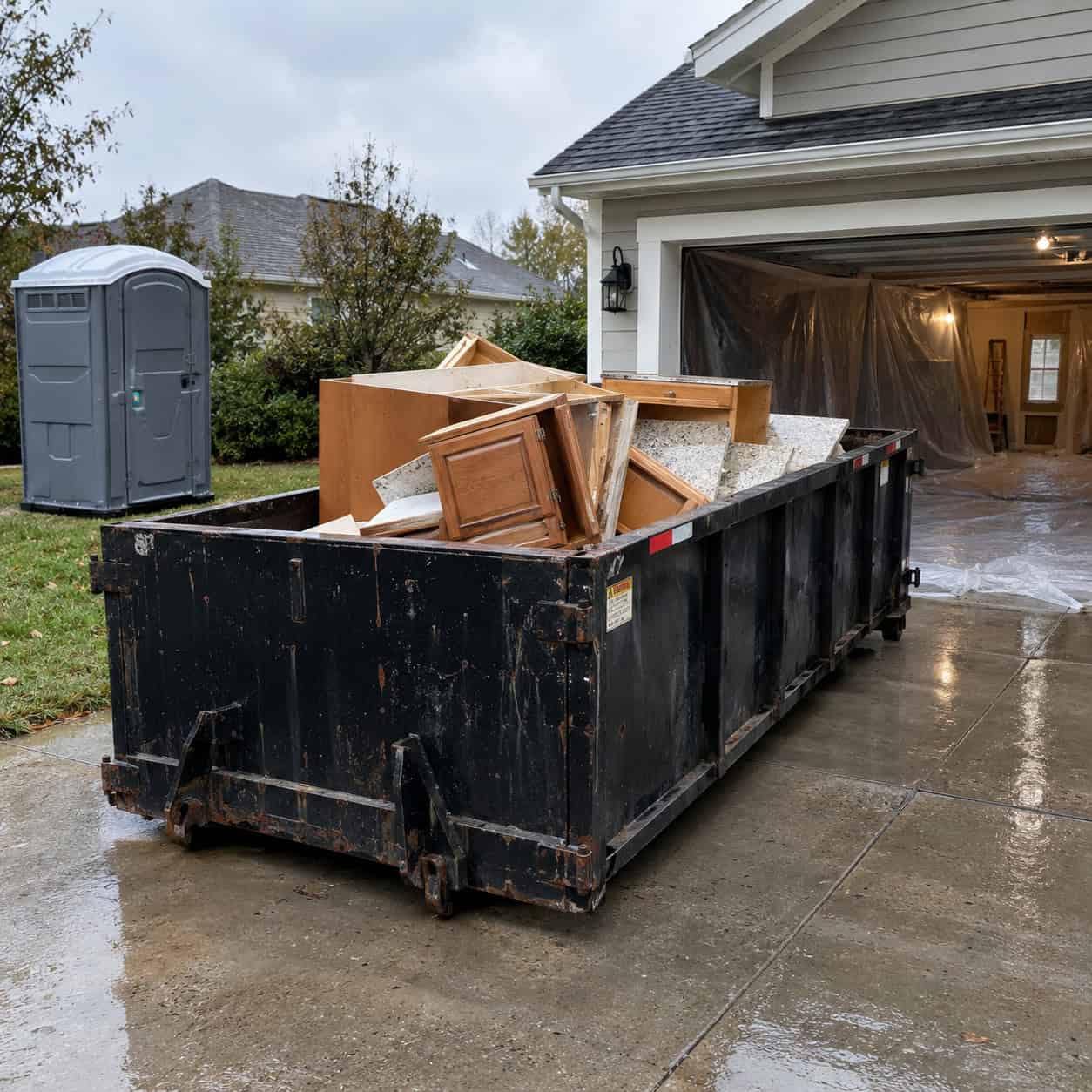
The exclusions page is the most informative page in any contract, and the one nobody reads.
Debris hauling. Dump fees. Floor and stair protection. Temporary dust containment. Site toilet. Final cleaning. On a lean bid, all of it sits in the exclusions column and reappears later as separate invoices.
Dumpster rental alone commonly runs $400 to $800 depending on your area and how many pulls the job needs.
Read the exclusions first, before the scope. It tells you what kind of bid you’re actually holding.
26. The Payment Schedule Is Front-Loaded on Purpose

Payments should trail completed work. Always. The moment a contractor has been paid more than the value of what’s finished, your leverage is gone.
Tie every draw to a visible, verifiable milestone. Cabinets set and level. Plumbing rough-in passed inspection. Countertops installed. Not “week three.”
And never pay for materials you haven’t seen delivered to your property.
27. You Won’t Have a Kitchen for Six to Ten Weeks

A basic mid-range kitchen commonly runs six to seven weeks. Add a layout change or custom cabinets and it’s eight to nine — before any delay.
That’s two months of washing dishes in a bathtub or a laundry sink, and takeout nobody put in the budget. Figure $400 to $800 a month in extra food costs for a family, easily.
Set up a temporary kitchen before demo: a folding table, the microwave, the coffee maker, a dish tub, and the fridge relocated to the garage or dining room. Put a power strip on a circuit that isn’t part of the work.
The households that handle a remodel well are the ones that planned the inconvenience instead of enduring it.
28. The Punch List Is the Hardest Work You’ll Ever Get Finished

The sticking drawer. The crooked escutcheon at the faucet base. The outlet cover that doesn’t sit flush. The sink that drains a little slow.
Once the big money is paid, these drop to the bottom of everyone’s priority list, behind every job that still has money left on it.
Hold a meaningful final payment — around 10 percent is standard — until the punch list is signed off and every lien waiver is in your hand. State consumer agencies recommend exactly this, and it’s the only lever you’ll have left.
Walk the kitchen with a flashlight before you write that last check. Open every drawer. Run every tap. Check under the sink for drips after the disposal runs.
29. You May Have Three Days to Walk Away

The FTC’s cooling-off rule gives buyers three business days to cancel many sales made somewhere other than the seller’s permanent place of business.
A kitchen contract signed at your own kitchen table often qualifies. The seller is supposed to give you written notice of that right.
Nobody points to that paragraph on the way out the door.
If you signed under pressure, check the date and check your state’s rules. Three business days is short, but it’s real.
30. A One-Year Labor Warranty Is Only as Good as the Company

LLCs dissolve. Phone numbers get disconnected. A warranty is a promise from an entity that may not exist in fourteen months.
Ask how long the business has operated under its current name. A company that’s rebranded twice in five years has a reason.
Register every faucet, sink, and appliance warranty yourself, directly with the manufacturer, the week it’s installed. Those warranties outlive contractors — many faucet warranties run for the life of the fixture and transfer with proof of purchase.
Keep a folder: receipts, model numbers, the permit card, the lien waivers, photos of the walls open before drywall. Date the photos.
Because eventually the trucks pull away, and it’s just you standing in that kitchen with the work.
None of this is an argument against hiring a contractor. Good ones are worth every dollar, and the kitchen you can’t build yourself is the one that lasts twenty years.
It’s an argument for reading the exclusions page.
The homeowners who come out of a remodel happy aren’t the ones who got lucky. They’re the ones who asked uncomfortable questions in week zero, while the pen was still in their hand.