


Your kitchen might look spotless, but mold could be hiding in places you’d never think to check.
These hidden colonies don’t just look bad – they can trigger allergies, breathing problems, and even contaminate your food.
The kitchen’s mix of warmth, moisture, and food residue creates the perfect environment for mold growth.
From leaky seals to forgotten corners, here are 15 sneaky spots where mold may already be thriving.
1. Behind Your Kitchen Appliances
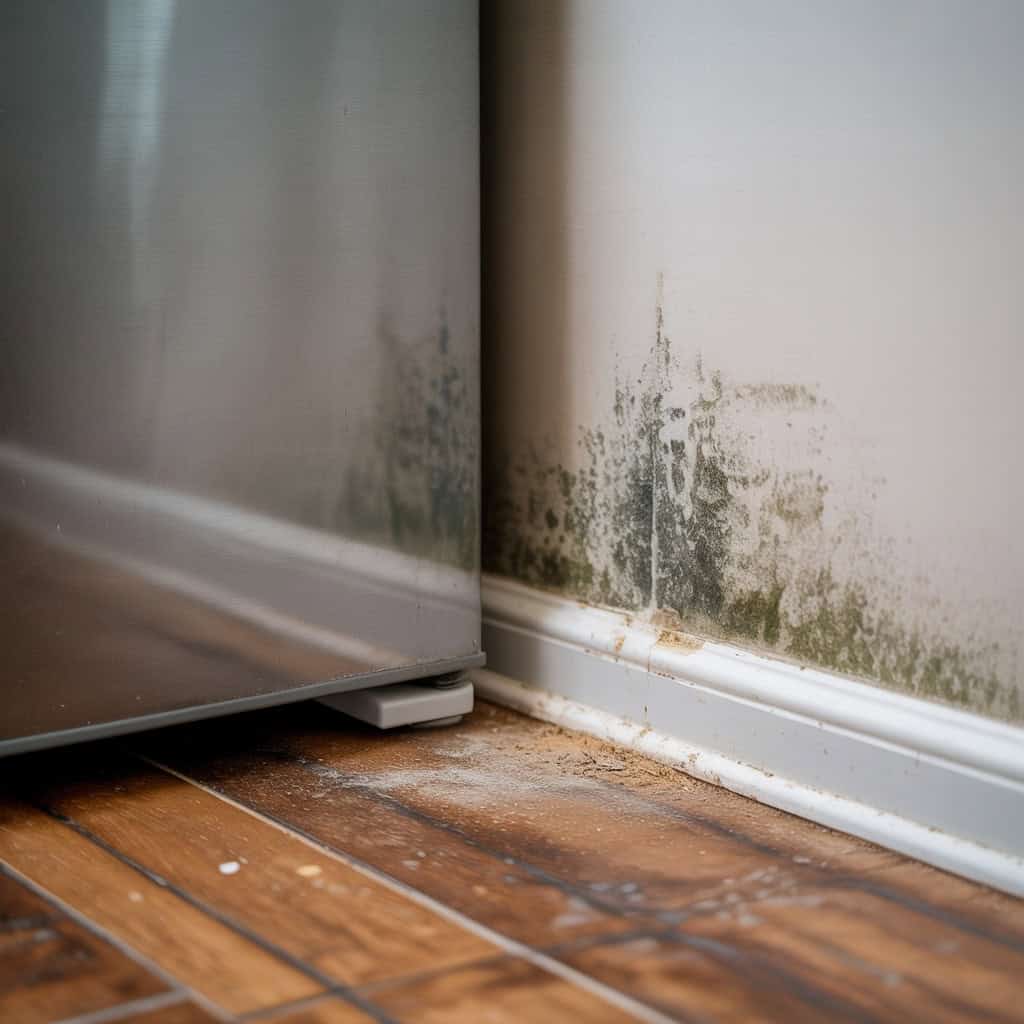
The Hidden Danger:
That narrow space behind your refrigerator, dishwasher, and oven is a mold paradise you probably never see.
Over time, moisture accumulates in these tight spaces, creating ideal conditions for mold growth. When appliances vibrate or shift slightly, small amounts of water can splash behind them from nearby sinks or during cooking.
Combined with dust and food particles that settle back there, you’ve got everything mold needs to thrive.
What to Do:
Every few months, pull out your major appliances to clean the floor and walls behind them. Ensure everything is thoroughly dry before pushing appliances back into place.
Consider using a mold-resistant sealant along the edges to prevent moisture penetration.
2. Refrigerator Door Seals and Gaskets

The Hidden Danger:
Those rubber seals around your fridge door are mold magnets.
The folds and creases in refrigerator gaskets create perfect hiding spots for mold spores.
Moisture from condensation, combined with food particles that get trapped in the seals, provides everything mold needs to flourish. The problem is especially common in the bottom corners where gravity pulls moisture and debris.
What to Do:
Clean your fridge seals weekly with a mixture of water and white vinegar. Use an old toothbrush to get into all the creases and folds. Make sure to dry thoroughly afterward. If seals are cracked or damaged, replace them immediately.
3. Inside Your Dishwasher
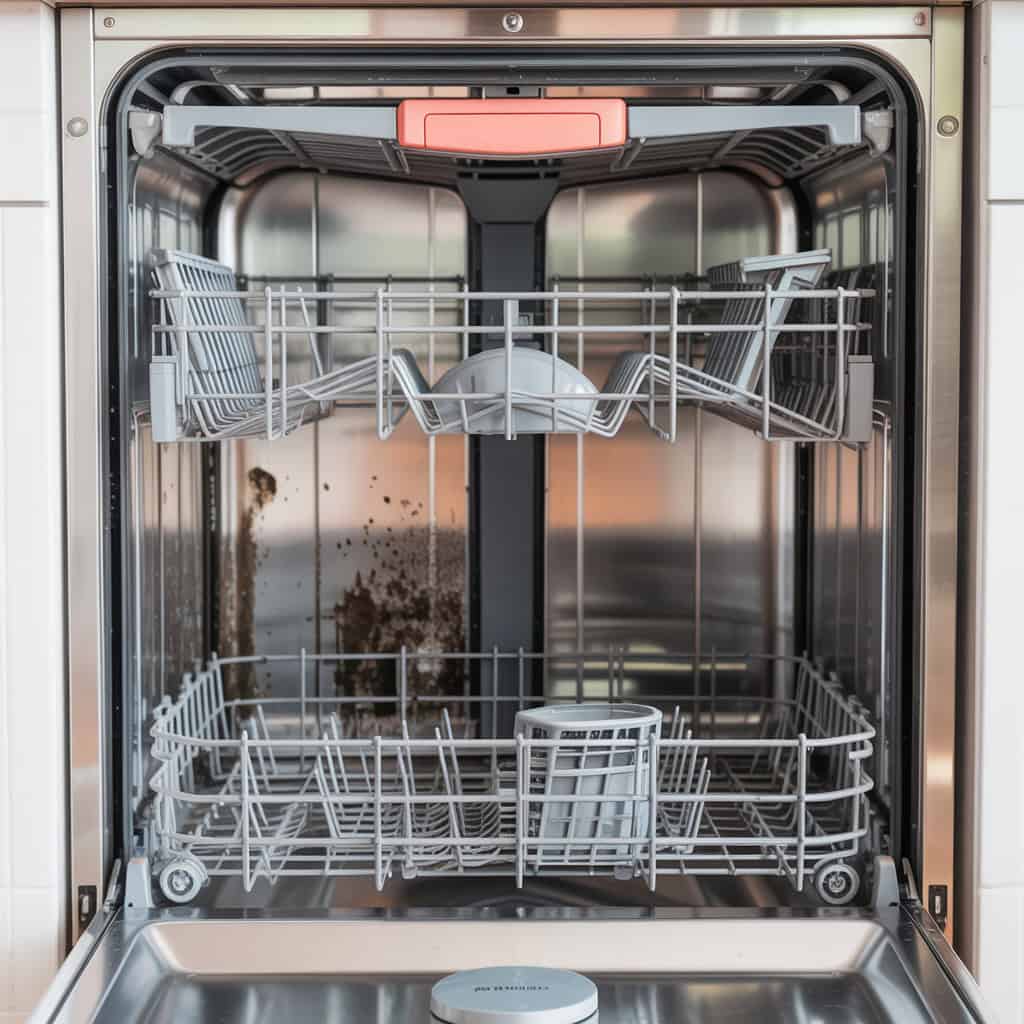
The Hidden Danger:
Despite scalding temperatures and powerful detergents, dishwashers can harbor surprising amounts of mold.
Research shows that numerous mold species can colonize dishwashers, particularly around the door gasket, filter, and spray arms.
Food particles get trapped in these areas, and the constant moisture creates an ideal breeding ground. The warm, humid environment actually helps some mold species thrive.
What to Do:
Clean your dishwasher filter monthly and wipe down the door gasket after each use. Run an empty cycle with white vinegar once a month to eliminate buildup.
Don’t skip the dry cycle—leaving dishes wet in a closed dishwasher invites mold growth.
4. Under Your Kitchen Sink
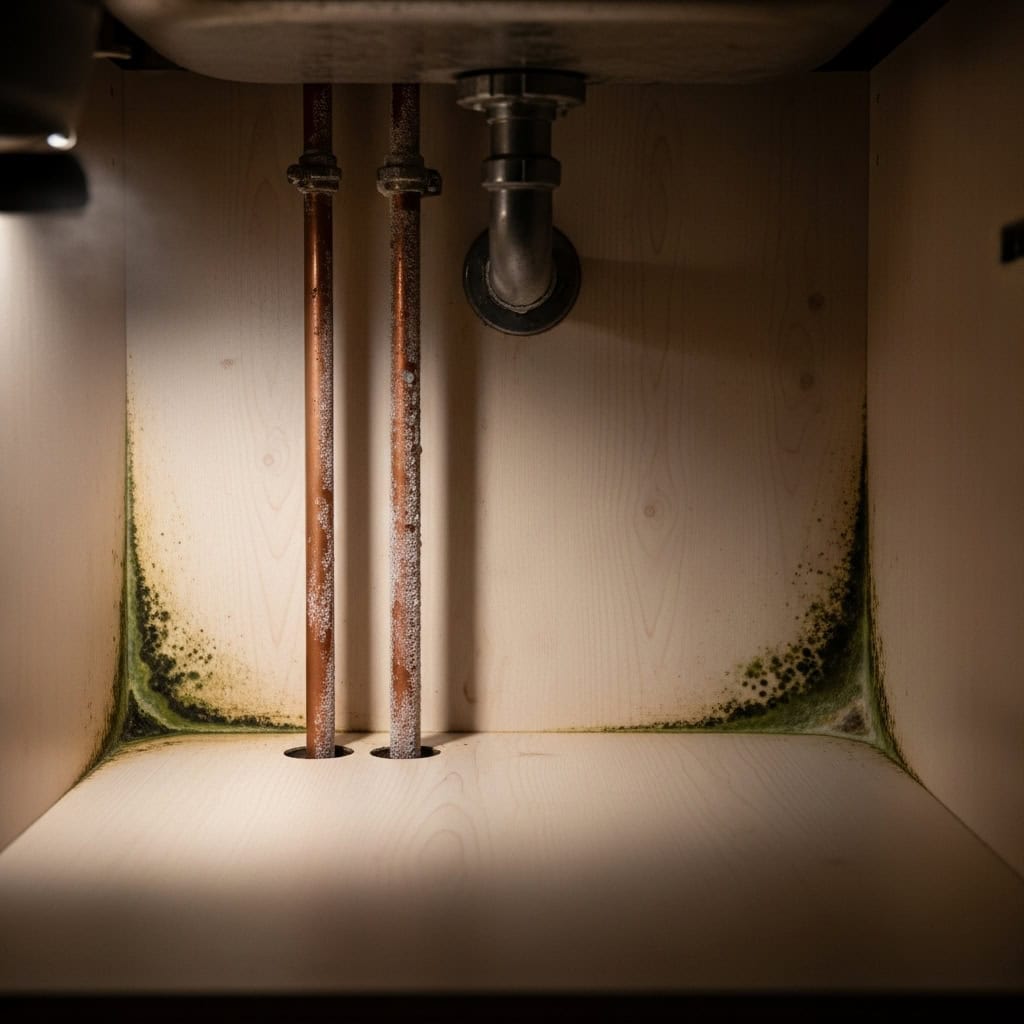
The Hidden Danger:
The cabinet under your sink is like a mold spa—dark, warm, and frequently moist.
This area combines everything mold loves: plumbing that can develop small leaks, cleaning supplies that may spill, and poor ventilation.
Even minor condensation from pipes can create enough moisture for mold colonies to establish themselves on cabinet walls or flooring.
What to Do:
Check under your sink monthly for any signs of leaks or moisture. Install a leak detector if you have valuable items stored there. Keep the area well-ventilated and consider using moisture-absorbing products like activated charcoal or silica gel packets.
5. Coffee Machines and Small Appliances

The Hidden Danger:
Your daily brew station could be brewing more than coffee.
Coffee makers, especially those with water reservoirs, are prime mold real estate. The combination of moisture, warmth, and organic residue from coffee oils creates perfect growing conditions.
Internal water lines and reservoirs that aren’t cleaned regularly become highways for mold spores.
What to Do:
Clean your coffee machine weekly with a vinegar solution, running it through a complete brew cycle. Don’t forget to clean the water reservoir and any removable parts. Between uses, leave the machine open to air dry completely.
6. Kitchen Sponges

The Hidden Danger:
That innocent sponge by your sink might be one of the moldiest items in your kitchen.
Sponges are basically mold condominiums—they hold water, trap food debris, and rarely dry completely between uses.
While you might not see visible mold on sponges, that doesn’t mean it’s not there. The porous structure provides countless hiding spots for mold spores to multiply.
What to Do:
Replace sponges weekly or sanitize them daily by running them through the dishwasher or microwaving them in a bowl of water for 30 seconds.
Between uses, rinse thoroughly, squeeze out excess water, and store in a well-ventilated area to dry.
7. Dish Towels and Kitchen Linens
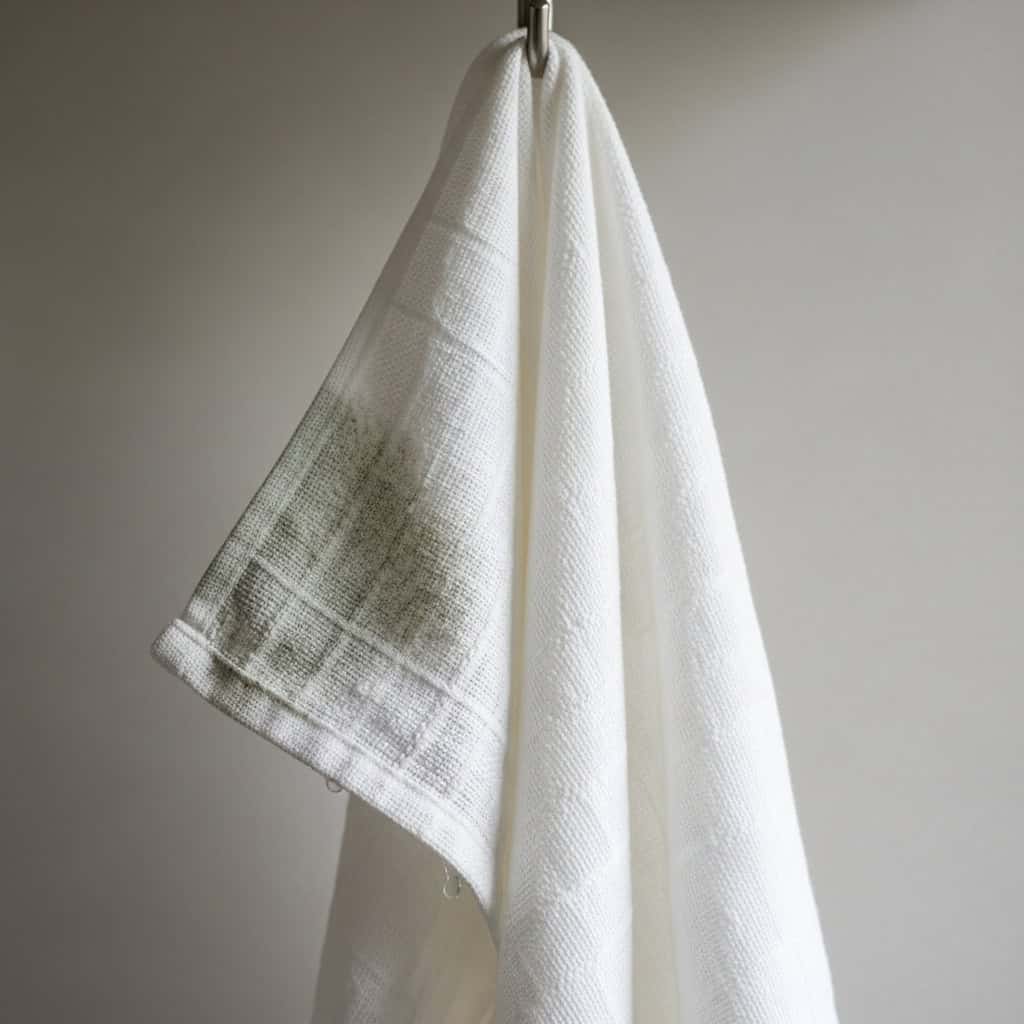
The Hidden Danger:
Damp dish towels left hanging around are mold breeding grounds.
If you use dish towels frequently and leave them hanging damp, you’re creating perfect conditions for mold, yeast, and bacteria colonies.
Unlike hard surfaces where mold might be visible, fabric can hide mold growth until it becomes a serious problem.
What to Do: Change dish towels daily and wash them in hot water. Between uses, ensure they can dry completely—don’t bunch them up on hooks where air can’t circulate.
Consider having multiple towels in rotation so you’re always using a clean, dry one.
8. Pantry and Kitchen Cabinets

The Hidden Danger:
Poor air circulation in enclosed spaces creates humid pockets where mold thrives.
Pantries and cabinets, especially those near heat sources or exterior walls, can develop humidity issues.
Lack of ventilation allows moisture to accumulate, and any food spills or crumbs provide the organic matter mold needs. Corner cabinets and those under stairs are particularly susceptible.
What to Do:
Install ventilation in enclosed pantries and avoid overpacking cabinets. Check regularly for any signs of moisture or leaks. Store food in airtight containers and clean up spills immediately. Consider using moisture absorbers in problem areas.
9. Refrigerator Drip Trays

The Hidden Danger:
That hidden drip tray under your fridge is probably moldy right now.
Most people don’t even know their refrigerator has a drip tray, let alone clean it.
This tray collects condensation from the defrost cycle, creating a perpetually moist environment in a dark, warm space. It’s basically a mold cultivation lab under your appliance.
What to Do:
Locate your refrigerator’s drip tray (usually accessed from the front bottom panel) and clean it monthly with soap and water. If it’s removable, take it out and scrub it thoroughly. If not, use a long brush or cloth to clean it in place.
10. Behind Tile Backsplashes
The Hidden Danger:
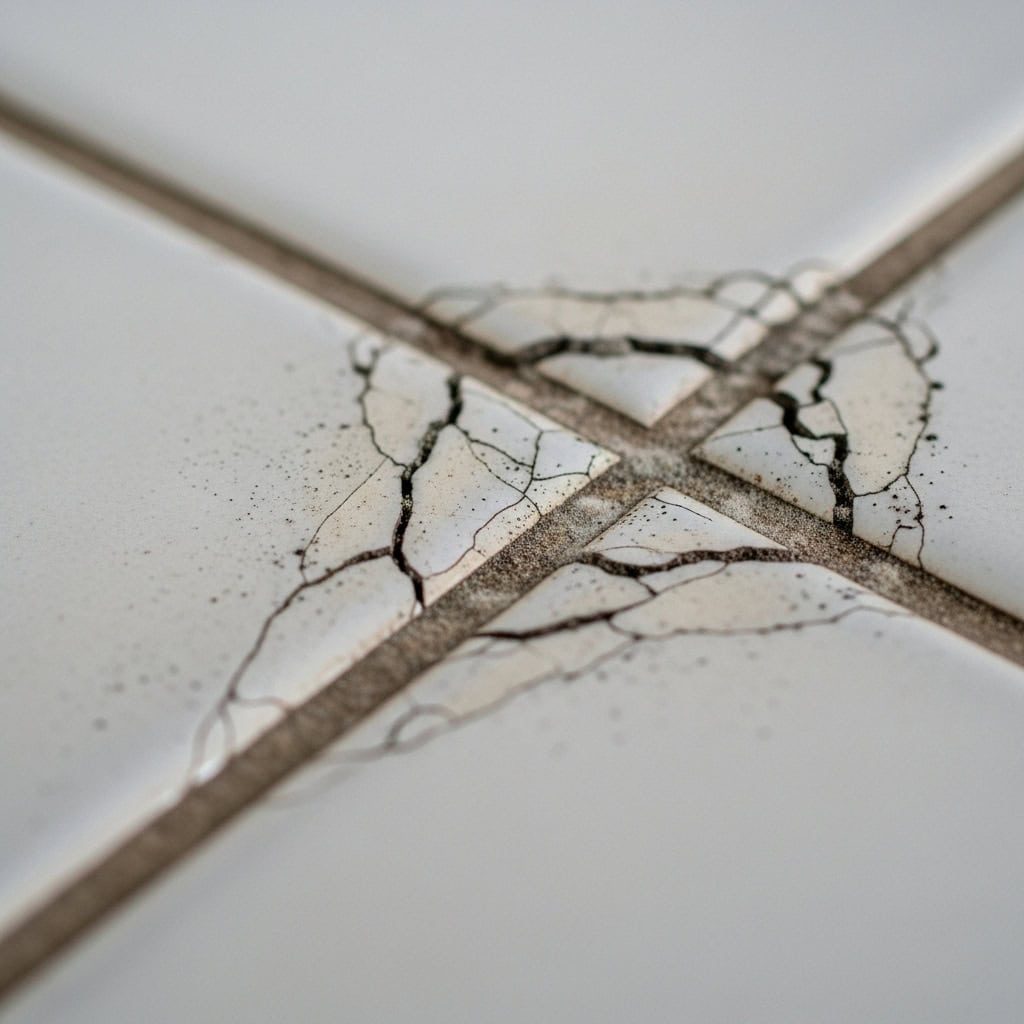
Moisture can seep behind tiles through deteriorating grout, creating hidden mold colonies.
Over time, grout lines crack and allow water to penetrate behind tiles. This trapped moisture has nowhere to go and creates perfect conditions for mold growth on the wall surface behind your beautiful backsplash.
The problem often goes undetected until it becomes severe.
What to Do:
Inspect grout lines regularly and reseal them as needed. If you notice any tiles becoming loose or grout that’s cracked, address it immediately. Consider having a professional inspect behind tiles if you suspect moisture intrusion.
11. Window Sills

The Hidden Danger:
Kitchen window sills collect more than just dust—they’re moisture magnets.
Condensation from temperature differences, especially during cooking or washing dishes, can cause moisture to accumulate on window sills.
Add in the occasional splash from the nearby sink, and you’ve got ideal mold conditions. The problem is worse in windows that don’t get much direct sunlight.
What to Do:
Wipe down window sills weekly, paying special attention after cooking or running the dishwasher. Ensure good ventilation around windows and fix any seal issues that might allow moisture intrusion.
During humid weather, check sills more frequently.
12. Between Stacked Dishes

The Hidden Danger:
Skipping the dishwasher’s dry cycle can create mold farms in your cabinets.
When you stack dishes that aren’t completely dry, trapped moisture between plates and bowls creates perfect conditions for mold growth.
This is especially problematic with plastic containers and dishes with concave surfaces that can hold water droplets.
What to Do:
Always ensure dishes are completely dry before stacking and storing them. If your dishwasher doesn’t have an effective dry cycle, hand-dry dishes with a clean towel.
Store dishes in well-ventilated cabinets and don’t overcrowd them.
13. Under Kitchen Flooring

The Hidden Danger:
Mold growing under your floor can go undetected for years.
When spills aren’t cleaned up quickly or appliances leak, moisture can seep through flooring joints and settle underneath.
This creates a hidden mold paradise that can spread extensively before you notice any surface signs. Laminate and vinyl flooring are particularly susceptible to this problem.
What to Do:
Clean up all spills immediately and thoroughly. Check around appliances regularly for any signs of leaks. If you notice any flooring that feels soft, sounds hollow, or shows water stains, investigate immediately.
Professional inspection may be necessary for extensive under-floor mold.
14. Kitchen Trash Cans

The Hidden Danger:
Your garbage can is basically a mold buffet.
Trash cans provide everything mold loves: organic matter, moisture from food waste, and often poor ventilation.
Even with regular emptying, food residue and moisture can accumulate in the bottom of the can, creating a breeding ground for mold and bacteria.
What to Do:
Clean your trash can weekly with soap and water, paying attention to the bottom and lid. Allow it to dry completely before putting in a new liner.
Consider using trash cans with tight-fitting lids and ventilation holes. Take garbage out regularly and don’t let organic waste sit too long.
15. Inside Your Microwave

The Hidden Danger:
Food spills and steam create a perfect mold environment inside your microwave.
When you heat food in the microwave, steam and tiny food particles can splatter onto the interior surfaces.
If not cleaned regularly, these food residues combined with the moisture from steam create ideal conditions for mold growth. The interior corners, ceiling, and around the turntable are particularly problematic spots.
What to Do:
Clean your microwave weekly by heating a bowl of water with lemon juice for 2 minutes, then wiping down all surfaces while the steam is still present. Pay special attention to the ceiling and corners where splatters accumulate.
Remove and wash the turntable regularly, and always cover food when heating to prevent splatters.
The Bottom Line: Prevention is Your Best Defense
Mold prevention in the kitchen comes down to controlling moisture and maintaining cleanliness.
Most mold growth is avoidable by keeping surfaces clean and dry. Here are your key prevention strategies:
- Control humidity: Keep kitchen humidity levels between 30-50% using ventilation fans and dehumidifiers
- Fix leaks immediately: Even small drips can lead to major mold problems
- Ensure proper ventilation: Use exhaust fans while cooking and keep air circulating
- Clean regularly: Don’t let spills or moisture accumulate anywhere
- Stay vigilant: Check these hidden spots monthly as part of your cleaning routine
Remember, if you discover extensive mold growth (more than 10 square feet) or if anyone in your household has health issues that could be exacerbated by mold exposure, consult with professionals for proper assessment and remediation.
Your kitchen should be a place where your family gathers safely. By staying ahead of mold in these hidden spots, you can ensure it remains that way.