


Nobody in the family ever asked why there was a battered coffee can sitting behind the burners. It was just there, doing its job.
Her kitchen didn’t look like anything you’d pin to a board for inspiration. It was cramped, always a little too warm, and ruled by a woman who’d lived through a Depression and a war that taught her the real price of everything.
Nothing got tossed until it had given up every last bit of use — not the bacon grease, not the chicken carcass, not the loaf gone stale by Thursday.
A surprising amount of it still holds up today. Some of her tricks flat-out beat the gadgets and apps we now buy to solve the exact same problems.
Below are 35 things she quietly did at the stove and sink that could shrink your grocery bill starting this month.
1. The Grease Can That Saved the Pipes
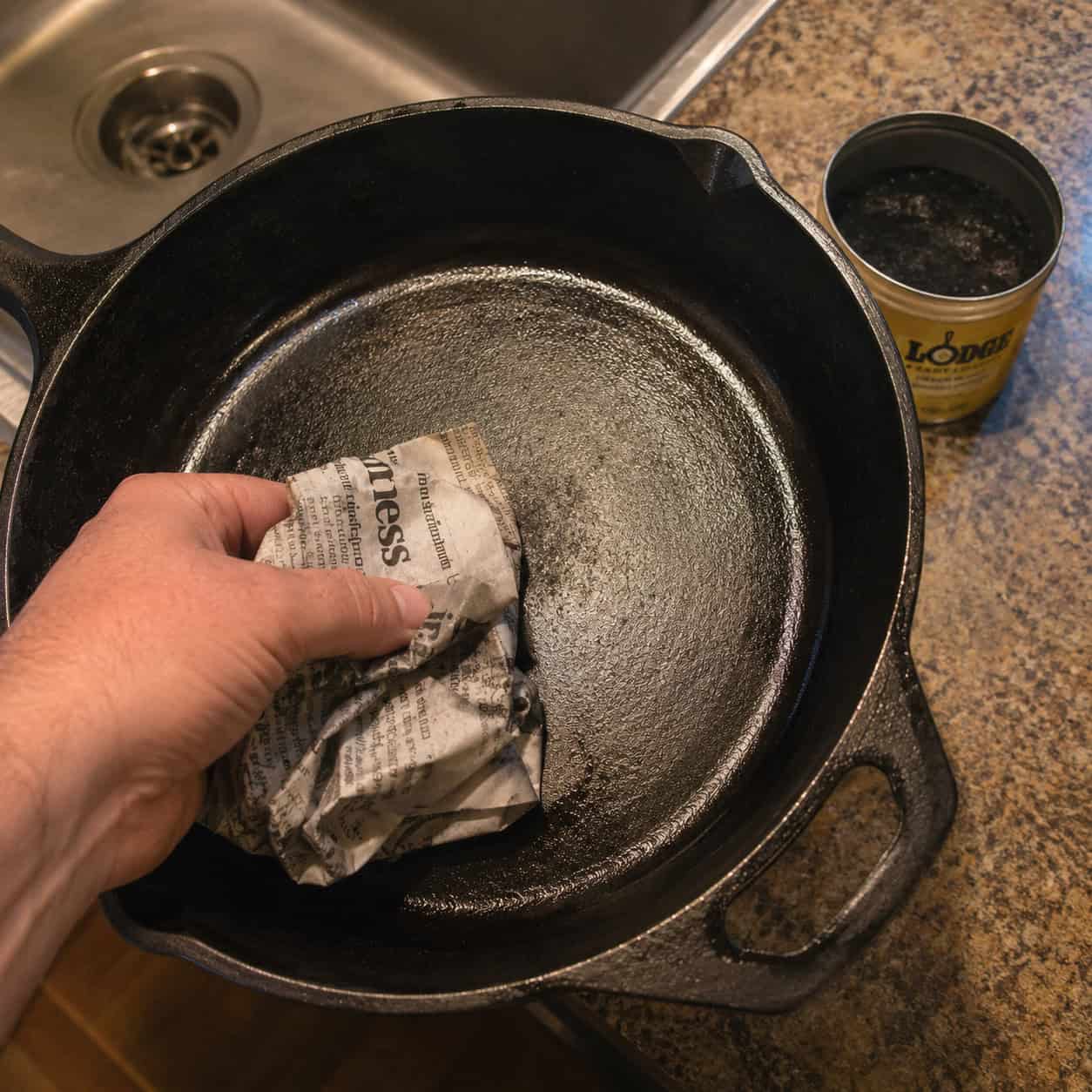
Saving that can of fat wasn’t just frugality — it was cheap insurance for her pipes.
Fats, oils, and grease — FOG, as plumbers call it — travel down the drain warm and liquid, then cool a few feet in and cling to the pipe wall. Every pour after that thickens the layer.
Hot soapy water doesn’t fix this; it just shoves the problem further down the line, where the grease still cools and hardens, often in the main pipe where repairs get expensive fast.
Her fix was basic: pour used fat into the can, then wipe the pan clean with newspaper before it ever got near the sink.
A paper towel works too, and it’s worth keeping the biggest culprits away from the drain altogether — bacon fat, meat drippings, butter, dressing, gravy, anything creamy. These sit near the top of the list of things you should never put down your kitchen sink drain.
For upkeep, run hot water a full minute after greasy dishes, and pour a kettle of boiling water down weekly. Skip the chemical openers — they wear down old pipes and rarely clear a true grease clog anyway.
A snake or hydro-jet service runs $150 to $600. The coffee can costs you nothing at all.
2. Why the Cellar Corner Beat the Fridge

A cold, dark corner of the basement — or an unheated back room — held her potatoes, onions, squash, apples, and shelves of home-canned jars. No appliance, no electricity, no hum in the background. Some foods, like potatoes, actually stored better this way; cold storage keeps them firm and slightly sweet instead of gritty. Look for the coldest, darkest spot in your own house — a basement landing or a closet on a north-facing wall will do the job just fine.
3. Three Bottles Replaced the Whole Cleaning Aisle

Instead of eleven specialty sprays at $6 each, she kept three ingredients under the sink and made them stretch.
Vinegar handled glass, hard water stains, and coffee pots. Baking soda scrubbed anything porcelain. Ammonia cut oven grease that nothing else touched.
- Never mix bleach with ammonia — it makes chloramine gas.
- Never mix bleach with vinegar either.
- Keep vinegar off natural stone, marble, and unsealed grout; the acid etches.
- Test any of it on an inconspicuous spot first.
A gallon of white vinegar still costs less than a single bottle of name-brand spray, and quite a few of Grandma’s cleaning tricks still beat the spray bottle outright.
4. Saturday Was for Clearing Out the Icebox

By Saturday, whatever was still sitting in the icebox had to disappear before Monday’s delivery came in.
That meant hash, a skillet of fried potatoes with the odds and ends, a pot of soup, or a casserole finished with crackers on top. She never called it “reducing food waste” — it was simply Saturday supper.
The USDA estimates a family of four throws out roughly $1,500 worth of uneaten food a year, which makes this the single biggest money-saver on the entire list.
Pick one night a week and build the meal entirely from what’s already in the fridge.
5. Knowing a Substitute Beat Another Trip to the Store

No buttermilk? A splash of vinegar in a cup of milk, rested five minutes, did the trick.
Flour stood in for cornstarch as a thickener. Honey or corn syrup replaced sugar with a small liquid adjustment. Missing an egg for a cake? Vinegar and baking soda supplied the lift — a trick straight out of Depression-era cooking.
Knowing half a dozen swaps like these meant skipping the “quick” store run that’s never actually quick — really it’s $40 and forty minutes gone.
6. Buying Staples by the Sack, Not the Box

Her Hoosier cabinet had a built-in flour bin with a sifter in the bottom, which tells you exactly how much flour she bought at once — twenty-five or fifty pound sacks, poured into tins and crocks, never the small two-pound boxes priced four times as high per ounce. Check the unit price next time you’re at the store; the gap between a five-pound bag and a twenty-five-pound one is bigger than most people expect.
7. A Skillet Bought Once, Used for Generations

Her cast iron skillet, a Griswold or a Wagner bought sometime before 1940, is probably still sitting in a family member’s kitchen right now.
Compare that to nonstick pans, which most people replace every three to five years once the coating starts flaking into breakfast — the math over sixty years isn’t close.
Seasoning isn’t complicated: a thin coat of oil, a hot oven, repeated over time, builds a polymerized surface that only improves with use.
Spread the cost of a $30 skillet over three generations of cooking and it rounds down to essentially free.
8. Scraps Went to the Garden, Not the Trash

By the sink sat a bucket for peelings, coffee grounds, eggshells, and trimmed ends, which eventually made its way to the garden or the chicken coop — barely anything from that kitchen ended up as actual trash, and last summer’s tomatoes grew right out of it. A countertop compost bin today does the same double duty: it shrinks your trash bags and replaces store-bought fertilizer, just with a nicer lid.
9. A Leak Got Fixed Before Supper, Not Ignored

A dripping faucet never got the “we’ll deal with it later” treatment — it meant a washer, a wrench, and ten spare minutes before dinner.
The EPA’s WaterSense program estimates average household leaks waste more than 9,300 gallons annually, with a single steady drip responsible for close to 3,000 gallons of that on its own.
On an older two-handle faucet, the usual culprit is a rubber seat washer that’s hardened and grooved with age. Shut off the supply valves, remove the handle, back out the stem screw, swap in a new washer, and reassemble — a multipack of washers costs only a few dollars and can fix a dozen faucets.
Newer single-handle faucets rely on a cartridge instead: pull the old one, match the replacement, and drop it in. Most cartridges run $15 to $40, and the whole job for fixing a dripping kitchen faucet fits into a single evening.
The leaks that cost the most are the ones you can’t see — watch for a climbing water bill with no change in habits, a toilet hissing between flushes, or a warm patch on a slab floor.
Call in a plumber only once you spot water pooling in the cabinet, corrosion on a shutoff valve, or a supply line that won’t shut off at all. Everything short of that is still a ten-minute job.
10. Two Basins Beat a Running Faucet

One basin held hot soapy water, the other clear rinse water, and the tap itself stayed shut until the very last step.
She did this because heated water cost real money — coal, then gas, then metered electricity — but the math behind it still checks out today.
According to the Water Footprint Calculator, washing dishes under a running tap can use more than 20 gallons per load. Two basins bring that down to roughly 8-10 gallons, while a full, efficient dishwasher uses only about 4.
So the actual ranking surprises most people. Here’s how the three methods compare side by side.
| Running Tap | Two Basins | Full Dishwasher | |
|---|---|---|---|
| Water per load | 20+ gallons | 8-10 gallons | About 4 gallons |
| Hot water heated | Nearly all of it | Two basins’ worth | Machine heats internally |
| Best for | Nothing | Small households, few dishes | Full loads, daily cooking |
| Grandma’s verdict | Wasteful | How it’s done | Fine, if you fill it |
A packed dishwasher wins outright. The dishpan wins when it’s just six plates and a skillet, and running a half-empty machine would be wasteful in its own right.
The one option that never wins is the open tap. Filling a basin instead saves more water than most low-flow fixture upgrades ever will.
11. Homemade Bread Became a Weekly Ritual

By ten in the morning on Wednesdays, the whole house already knew it was bread day.
Flour, water, yeast, and salt, plus about fifteen minutes of hands-on effort spread over an afternoon she was home anyway, turned into four or five loaves for the bread tin.
The real savings are modest rather than dramatic — a homemade loaf runs about 60 to 90 cents in ingredients versus $3 to $5 for a decent bakery loaf. The bigger win shows up when it replaces the sandwich bread you’d otherwise buy twice a week.
A no-knead dough baked in a Dutch oven is nearly foolproof and comes out looking like it’s from a bakery window.
12. A Few Pots of Herbs Did More Than You’d Think
Victory Gardens once supplied close to 40% of America’s fresh vegetables during World War II, and plenty of those backyard beds kept right on producing long after the war ended.
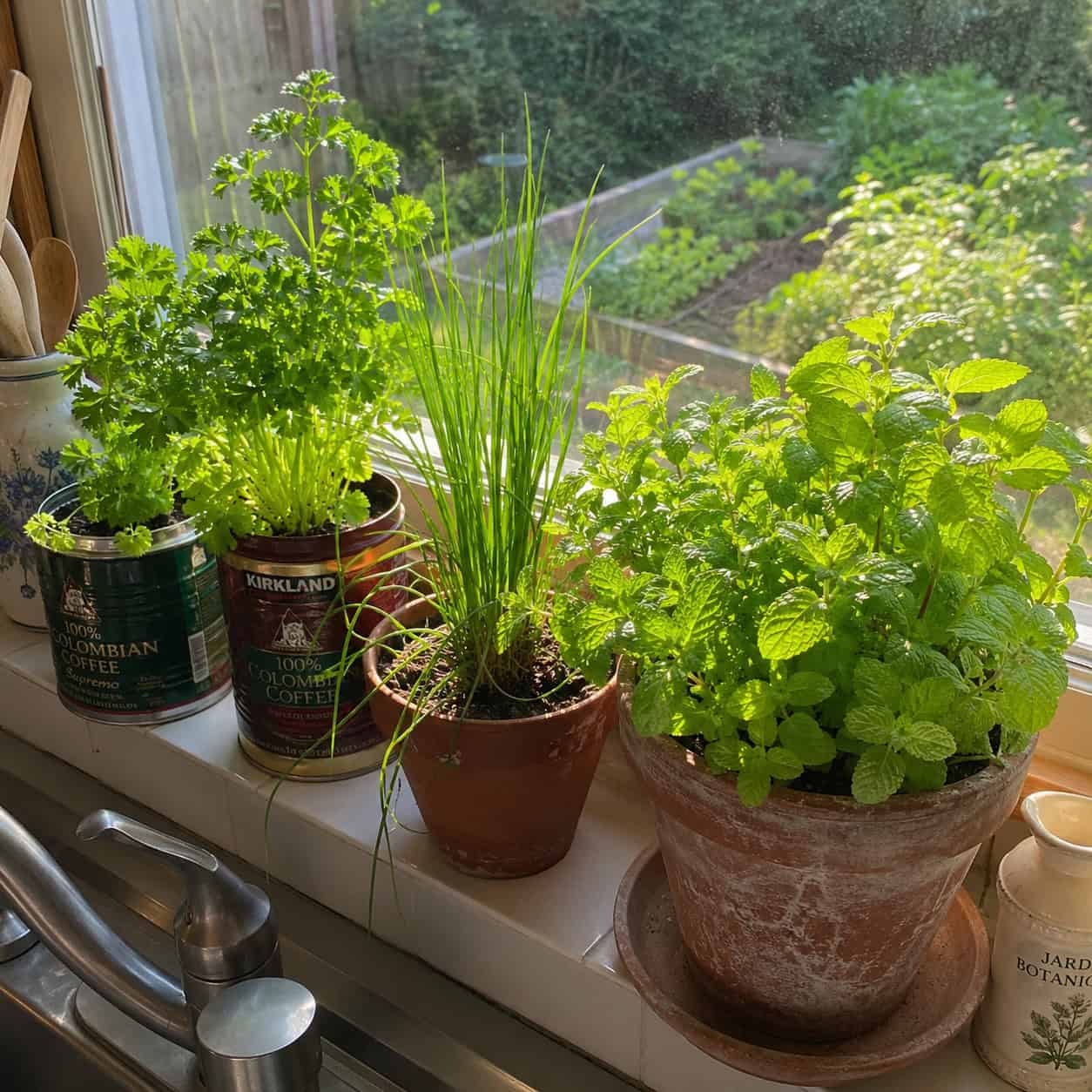
Even without any yard at all, a windowsill still pulled its weight — parsley, chives, and mint growing in old coffee cans above the sink.
A plastic clamshell of herbs from the store costs about $4 and turns slimy within a week; a single pot of chives lasts for years and you just snip what’s needed.
13. The Kitchen Turned Into a Cannery Every August

By August the kitchen hit 95 degrees and rows of jars sat cooling on newspaper, pinging one by one as they sealed.
She bought or picked at rock-bottom prices — tomatoes when everyone had a surplus, peaches nearly given away at the roadside stand — and enjoyed them again come February.
Extension research consistently shows home canning beats store-bought cans on a per-unit basis once jars are reused season after season, and the National Center for Home Food Preservation publishes tested procedures worth following exactly, rather than trusting an old magazine clipping.
Start with high-acid foods like tomatoes, pickles, and jam; low-acid vegetables require a pressure canner rather than a simple boiling water bath.
14. She Never Heated More Water Than the Task Needed

A kettle boiled for tea, a small pan warmed for a single cup of instant coffee — nobody stood there running the faucet, waiting.
Water heating accounts for roughly 18% of a typical home’s energy use, trailing only heating and cooling the house itself.
Three upgrades carry that same instinct into a modern kitchen. Lower the tank to 120°F instead of the factory-set 140°F, which cuts standby losses and lowers scald risk at once.
Insulate the first six feet of hot water pipe leaving the tank with foam sleeves — about $10 in materials for what may be the best-return twenty minutes you’ll spend in the basement all year.
If hot water still crawls to the kitchen faucet, that’s a distance issue, not a water heater issue — there are cheaper fixes than a tankless install to get hot water faster at the kitchen sink.
An annual flush helps an older tank too — sediment settled at the bottom forces the burner to heat a layer of grit before it ever reaches the actual water.
15. The Faucet Was Good Enough

A glass pitcher filled straight from the kitchen tap and chilled in the fridge was all the “bottled water” her house ever needed. Bottled water can cost hundreds of times more per gallon than what comes straight from your faucet — and in plenty of cases it’s the very same municipal supply, just filtered and repackaged. If the taste is the issue, a pitcher filter or a faucet-mounted carbon filter solves chlorine flavor for pennies a gallon.
16. Supper Simmered in a Single Pot

Stew, pot roast, a pressure cooker hissing quietly on medium while she folded the laundry — one pot, one burner, done.
Pressure cookers became common in the 1940s and cut cooking time (and fuel use) on tough cuts of meat by about two-thirds, which was the entire appeal.
Today’s countertop multicooker is basically the same idea with a digital timer attached, and she would have used one constantly if she’d had the chance.
17. Broken Things Got Mended, Not Tossed

A whetstone lived in her drawer, a pot handle got re-riveted rather than replaced, and a toaster cord got spliced back together in the basement.
Appliances back then were designed to be opened up, and she treated any broken item as repairable until it proved otherwise.
That same instinct lines up almost exactly with today’s right-to-repair movement — she’d have understood the argument instantly.
18. Clean Coils Meant a Lighter Power Bill

Once or twice a year, she’d pull the icebox from the wall and scrub the dust off the coils with a stiff brush.
Dust-caked coils force the compressor to work harder for the same amount of cooling — cleaning them is about as close to free money as a kitchen gets.
She also kept the freezer packed, filling gaps with bread or jugs of water since a full freezer holds cold better than an empty one. Most people, by comparison, have never cleaned their coils a single time.
19. Cloth Did What Paper Towels Do Now
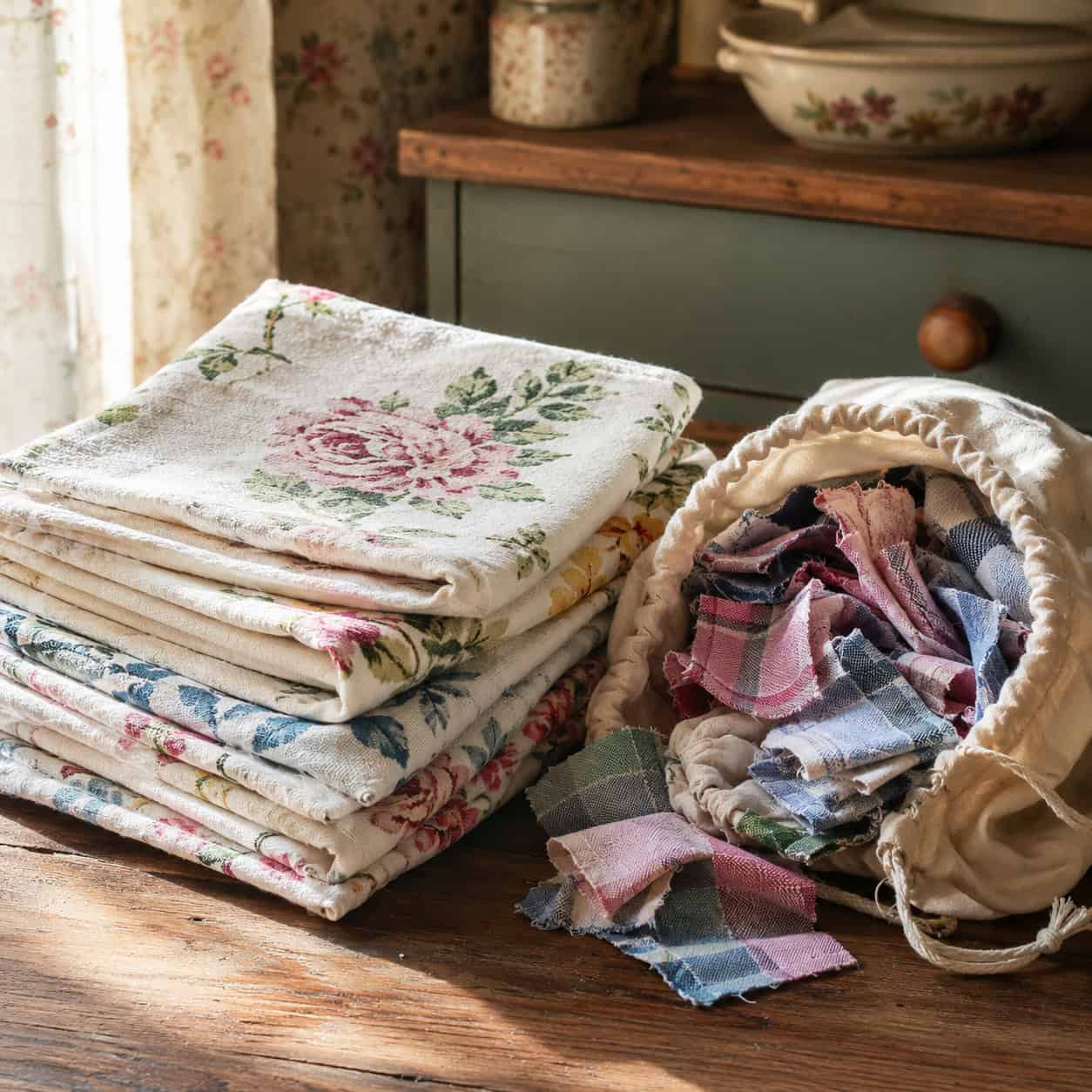
Paper towels simply weren’t a thing in her house, because cloth had it covered already.
Feed and flour companies printed their sacks with floral patterns on purpose, fully expecting farm women to resew them into towels, aprons, and even children’s dresses — the marketing lived right in the fabric.
Old, worn-out shirts ended up in the rag bag under the sink, wiping up grease and spills before getting washed and reused all over again.
A dozen cotton bar towels cost roughly what two months of paper towels would run you today.
20. Dry Beans, Soaked Overnight, Beat the Can

Setting a pot of beans in cold water after dinner was as routine to her as winding the clock.
A one-pound bag makes roughly a dozen servings for a couple of dollars, while canned beans run several times higher per serving for essentially the same legume plus salt water.
The old complaint was always the time involved, but a pressure cooker erases that entirely — dry beans go from hard to tender in under 40 minutes with no soaking required.
21. One Roasted Chicken, Three Separate Meals

One bird went into the oven Sunday afternoon, potatoes tucked in around it.
By Monday, the leftovers turned into a casserole or creamed chicken over toast; by Tuesday, the carcass simmered into soup with noodles.
A whole chicken is still dramatically cheaper per pound than boneless breasts — you’re essentially paying the butcher extra for about five minutes of knife work.
Buy the whole bird, learn her three-meal rotation, and you’ll cut your protein spending without eating any less.
22. Nothing Poured Out of the Pot Went to Waste

She never dumped potato water down the drain — it went straight into bread dough, where its starch built a softer crumb and a better rise.
Water from beans or vegetables went into the soup pot, and cooled pasta water was poured onto the houseplants.
Each one saves only pennies on its own, but together they show exactly how her mind worked: nothing was finished being useful just because you’d already used it once.
23. Stale Loaves Never Actually Died

Not a single loaf of bread ever hit the trash in her kitchen.
Day three became French toast, day four turned into croutons or crumbs for meatloaf, and day five ended as bread pudding, loaded with raisins and a little too much cinnamon.
A dessert built entirely out of what should’ve been thrown away — that’s her whole philosophy in one dish.
24. Every Part of the Vegetable Got Used

Carrot tops simmered into the stock, beet greens got sautéed like spinach, and broccoli stems were peeled and sliced right into the stir fry.
Celery leaves went into soup, and potato peels were fried crisp in bacon grease and salted.
You’ve already paid for those parts — throwing them away is just paying full price for two-thirds of a vegetable.
25. The Grease Jar Doubled as Her Cooking Oil

A coffee can, a mason jar, or an old shortening tin — with a slotted spoon resting inside — sat waiting for the fat poured off every pan of bacon, which cooled into something the color of ivory.
That jar was her cooking oil. Eggs, cornbread, fried potatoes, the first layer of a pot of greens — none of it ever needed a store-bought bottle of vegetable oil.
Wartime fat-salvage drives turned this habit into a patriotic duty, but she kept it up long after the drives ended, simply because it was free and tasted better than anything bottled.
Keep a jar in your own fridge — it lasts for months, skips a bottle of oil every few weeks, and finally makes your skillet potatoes taste the way hers did.
26. Canned and Powdered Milk Sat Ready on the Shelf

A can of evaporated milk was her backup plan — power outage, late delivery, three kids and no fresh milk, none of it mattered. She’d stretch fresh milk with reconstituted powder for cooking and nobody ever noticed the difference; a surprising amount of Depression-era baking runs quietly on powdered milk. It’s cheap per glass, shelf-stable for a year, and makes a better cream sauce than you’d expect.
27. The Weekly Menu Followed the Sale Flyer

Thursday’s newspaper circular came before anything else — she planned the week’s menu after reading it, never before.
That’s the reverse of how most of us shop today, deciding what we want first and paying whatever it costs that particular week.
Strawberries in June, corn in August, squash in October — buying produce in season remains one of the simplest ways to trim a grocery budget.
28. Meat Flavored the Meal Instead of Starring In It

Just half a pound of ham hock could flavor a whole pot of beans big enough to feed six.
Rationing made that necessity, and habit made it stick permanently — meat became an ingredient rather than the centerpiece, diced into greens, cubed into soup, or crumbled through rice.
Protein remains the biggest single line item on most grocery receipts, so halving the meat in a recipe and doubling the beans is probably the largest-dollar swap on this entire list — and you can make it tonight.
29. Trusting Her Nose Over the Printed Date

Sell-by dates didn’t become standard practice until the 1970s, so by then she’d already spent forty years judging food by smell alone.
Milk that had gone slightly sour never got poured down the drain — it became clabbered biscuits or pancakes, the acid making everything lighter.
Most printed dates are simply a manufacturer’s quality guess, not a federal safety cutoff — infant formula being the one real exception.
Look at it, smell it, taste a little, then make the call yourself.
30. Vegetable Scraps Simmered Into Broth All Week

Onion skins, celery tops, carrot ends, and wilted outer leaves never once landed in the trash.
She collected them in a bag, and once it filled up, everything went into a pot with chicken bones to simmer on the back burner while she handled the rest of the day.
Bone broth now sells for around $8 a quart in the refrigerated aisle — a premium price for something she once made entirely out of scraps.
31. She Never Wasted a Hot Oven on Just One Dish

Firing up the oven for a single casserole made no sense when fuel meant wood she split herself or gas billed by the therm.
So once it was hot, it stayed busy: bread first, then a roast, then a cobbler riding the leftover heat, then a pan of beans left overnight as the oven cooled.
Copy the logic yourself — if the oven’s already on for chicken, slide in a tray of vegetables and a pan of granola alongside it.
32. A Written List Kept the Cart Under Control

She made one trip a week, and the list was written out before she ever left the house. Fewer trips meant fewer chances for impulse buys — the endcap display only gets one shot at you instead of five. The envelope itself didn’t matter; deciding what you needed before you stood in the aisle was always the real point.