

The smell of a laundry room in 1958 was soap, hot metal, and wet cotton. Nothing in it plugged into an app.
And yet that room ran on less water, less electricity, and less money than most modern laundry rooms with two stainless machines and a cabinet full of pods.
She wasn’t being virtuous. She was being careful, because a shirt cost half a day’s wages and a water heater took an hour to recover.
Most of what she did still works. Some of it works better than the products sold to replace it.
Here are 28 things grandma did in her laundry room that would quietly save you money today.
1. She Never Heated the Rinse Water

Hot wash, cold rinse. That was the rule, and it wasn’t a preference.
Heating water is where nearly all the energy in a load goes — roughly 75 to 90 percent of it, depending on the machine. Everything else is just a motor turning a drum.
She had no choice but to ration hot water, so she rationed it at the rinse. You have a whole dial of choices and most people still pick warm out of habit. Modern detergents are engineered to work at 60°F, something Smithsonian laid out years ago.
Switch to cold. It’s the single biggest line item in the room.
2. The Backyard Clothesline

Wooden pins in an apron pocket. Sheets snapping like sails.
A dryer load costs somewhere around 40 to 60 cents in electricity. Four loads a week puts that near $100 a year — money that evaporates, literally.
Research out of University of Michigan found households that switch to air drying can save hundreds over the life of a machine.
The other savings is invisible. Dryer lint is your clothing, shredded a little at a time. A line doesn’t do that.
3. She Shut the Laundry Faucets Off After Wash Day

Two valves behind the machine, closed every Monday evening. It took four seconds and almost nobody does it now.
Here’s why it mattered. A washing machine hose is under full household pressure — 50 to 80 psi — twenty-four hours a day, every day, whether the machine runs or not. The rubber doesn’t know it’s resting.
When one lets go, it doesn’t drip. It sprays several hundred gallons an hour onto the floor until somebody comes home. Insurers put burst washer hoses at roughly $150 million in U.S. flood damage annually, and a single failure averages five figures once drywall, subfloor, and remediation are counted. Legacy Plumbing notes that most failures happen at the crimped fitting where the hose meets the valve.
Old laundry rooms had two separate screw-style hose bibbs, which is why closing them was a two-handed chore. If yours are the same, they’re probably seized from twenty years of never moving — work them gently, and replace them if the packing weeps.
The better fix costs about $25. A single-lever washing machine shutoff box recesses into the wall and closes both hot and cold with one flip, so there’s no excuse not to do it. If you’re going into the wall anyway, it’s the cheapest insurance in the house.
And if a valve won’t seat or keeps seeping after you close it, don’t live with it. That’s the same failure pattern as an outdoor faucet that won’t shut off — a worn washer or stem that only gets worse.
Leaving the house for a week? Shut them. That’s the one everybody agrees on.
4. One Bar of Fels-Naptha Did the Work of a Whole Stain Aisle

Brown, waxy, slightly medicinal. It sat on the ledge of the laundry tub and it handled everything.
Collar grime, bacon grease, grass stains on a boy’s knees — wet the spot, rub the bar in, let it sit ten minutes. A bar runs a couple of dollars and lasts months against $6 to $10 spray bottles that empty in six weeks.
Grate the same bar with washing soda and borax and you’ve got working powdered detergent for a fraction of the shelf price.
5. She Sunned the Whites on the Grass

Wet sheets spread flat on the lawn, edges weighted with stones.
Ultraviolet light breaks down the compounds that yellow cotton and it kills a good deal of what makes laundry smell musty. Free, and far gentler than chlorine bleach, which weakens cotton fibers every time it touches them.
One honest caveat: sun brightens and freshens. It doesn’t wash. Grandma knew the difference and so should you.
6. One Tub of Wash Water Did Four Loads

The wringer washer filled once. Once.
Whites went in first, while the water was hottest and cleanest. Then light colors. Then everyday clothes. The work pants, the shop rags, and the diapers went last, into water that was gray and cooling.
Sixty-plus gallons of hot water doing the work of four separate fills. That sorting logic is the ancestor of a habit worth keeping: run your filthiest load last, not first.
7. She Used a Fraction of the Soap We Do

Two tablespoons of chips. Sometimes less.
She judged a wash by how the clothes came out, not by how much foam she could see. Suds were a sign of waste, not power.
Overdosing costs twice. You pay for detergent you don’t need, then you pay again when the residue builds up in an HE drum, breeds odor in the gasket, and eventually buys somebody a service call. Most people can cut their dose in half and never notice a difference in the clothes.
8. The Deep Laundry Tub and the Overnight Soak

Soapstone, then concrete, then that heavy cast double basin. Deep enough to drop a bucket in without splashing.
Heavy soil went in cold overnight instead of getting hammered by a long hot cycle. Blood, mud, and paint all surrender to time — they just don’t surrender to impatience.
A deep utility sink with a real high-arc faucet is one of the few laundry room upgrades homeowners don’t regret. Skip the shallow decorative basin. You want depth and a spout you can fit a mop bucket under.
9. Bluing Kept White Shirts White

Mrs. Stewart’s, in the little glass bottle with the blue label. Three drops in the rinse water, never more.
The dye doesn’t remove yellow. It cancels it optically — a trace of blue sitting on the fiber makes the eye read the fabric as bright white.
Shirts stayed in rotation for years instead of getting demoted to yard work. A bottle still costs about four dollars and lasts a full season.
10. The Winter Drying Rack by the Radiator

January in a heated house is a desert. Fifteen percent humidity, cracked knuckles, static everywhere.
The wooden rack by the radiator dried the wash for free and put moisture back into the air at the same time. Humid air holds warmth better, so the same thermostat setting felt warmer.
Two savings from one rack. Just give it airflow — a closed, cold room turns that same trick into a mildew problem.
11. She Mended Before She Replaced

The mending basket lived right there in the laundry room, so nothing got past her twice.
A popped seam. A missing button. A thin spot at the elbow. Nothing went into the rag bag until it had been repaired at least once.
Do the arithmetic. Five minutes with a needle against a $40 replacement shirt is the best hourly wage anyone in the house will earn today.
12. White Vinegar Did What Fabric Softener Does

Downy didn’t reach shelves until 1961. Before that, the rinse got a half cup of white vinegar.
It softens hard water, strips leftover soap out of the fibers, and neutralizes odor. Pennies a load.
And it leaves no waxy film — the same film that makes towels stop absorbing, coats dryer lint screens, and eventually gums up an HE dispenser drawer. Towels that feel plush but shed water have been softened to death.
13. She Wrung Out Every Last Drop

The wringer was the whole point of the machine. Crank it, feed the shirt through, watch the water sheet back into the tub.
Water you remove mechanically is water you don’t pay to evaporate. That’s the entire principle behind a dryer bill.
Your modern version is the spin speed dial. Bumping from 800 to 1200 RPM on the loads that can take it pulls out meaningfully more water and cuts dryer time. It costs nothing.
14. The Rag Bag

Worn sheets got torn into squares. Flannel shirts became dusters. Bath towels past saving went to the garage.
The household bought essentially no disposables until paper towels took over kitchens in the 1960s. Now a family can burn through $200 a year in paper.
Old cotton also works better. Worn flannel leaves no streaks on glass and holds far more liquid than a paper sheet that disintegrates halfway through a spill.
15. She Turned Collars and Cuffs
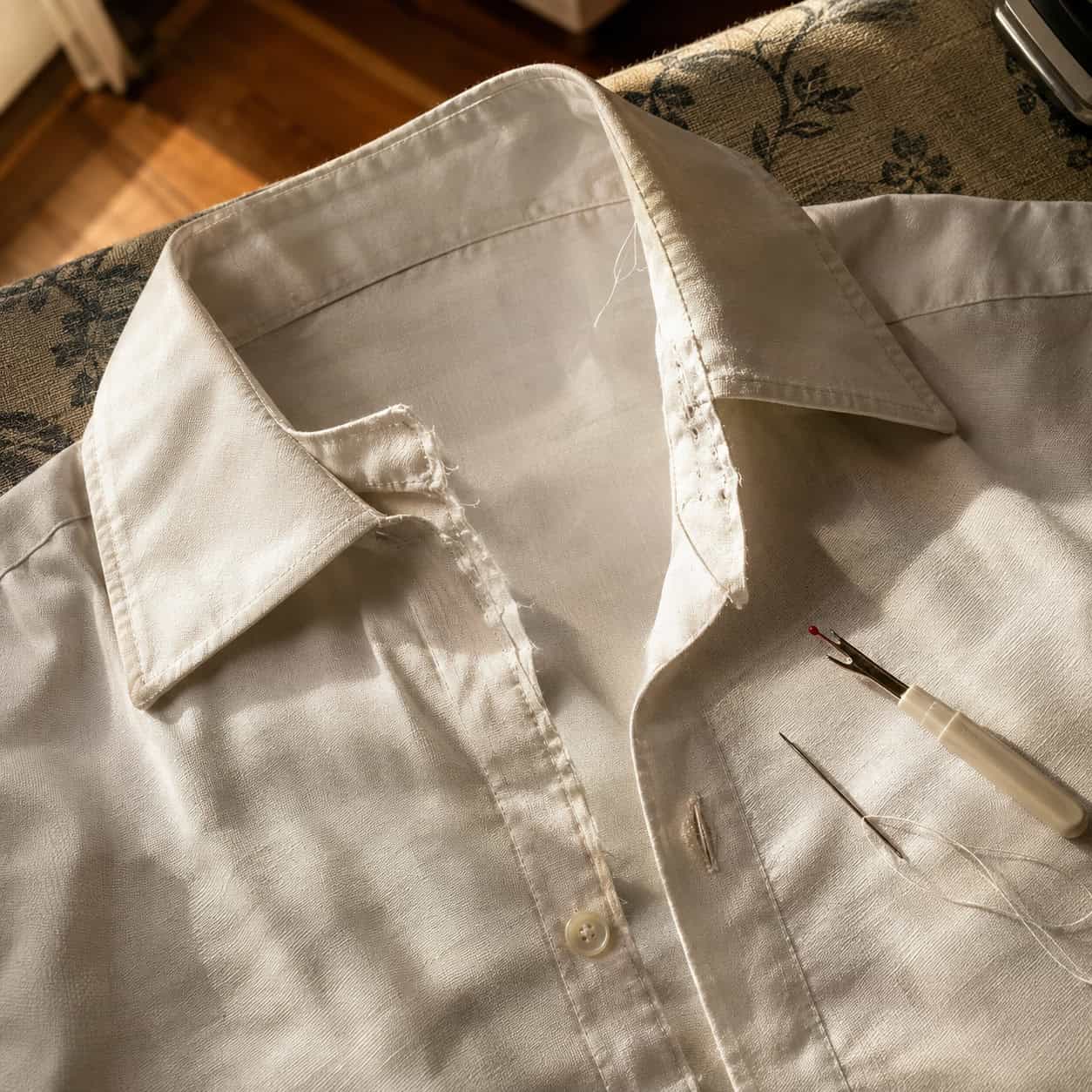
This is the one that stops people.
When a dress shirt collar frayed at the fold, she unpicked the stitching, flipped the collar over, and sewed it back down with the worn edge hidden. Same with cuffs. The shirt got another two years.
Through the Depression and into wartime rationing, clothing was treated the way people now treat a car — an asset you maintain, not a thing you replace. Almost nobody turns a collar anymore. But the mindset behind it is why her closet cost a fraction of yours.
16. Rinse Water Went to the Garden, Not the Drain

The last rinse was clean enough for tomatoes, and hauling it out beat watching it disappear down a drain.
It watered the beds, scrubbed the porch steps, or refilled the mop bucket. One fill, three jobs.
Greywater reuse is legal in more states than people assume, as long as the detergent is mild and low in sodium and boron. Check your local code first — rules vary a lot by county, and some require a permitted setup.
17. The Lint Screen Got Cleaned Every Single Load
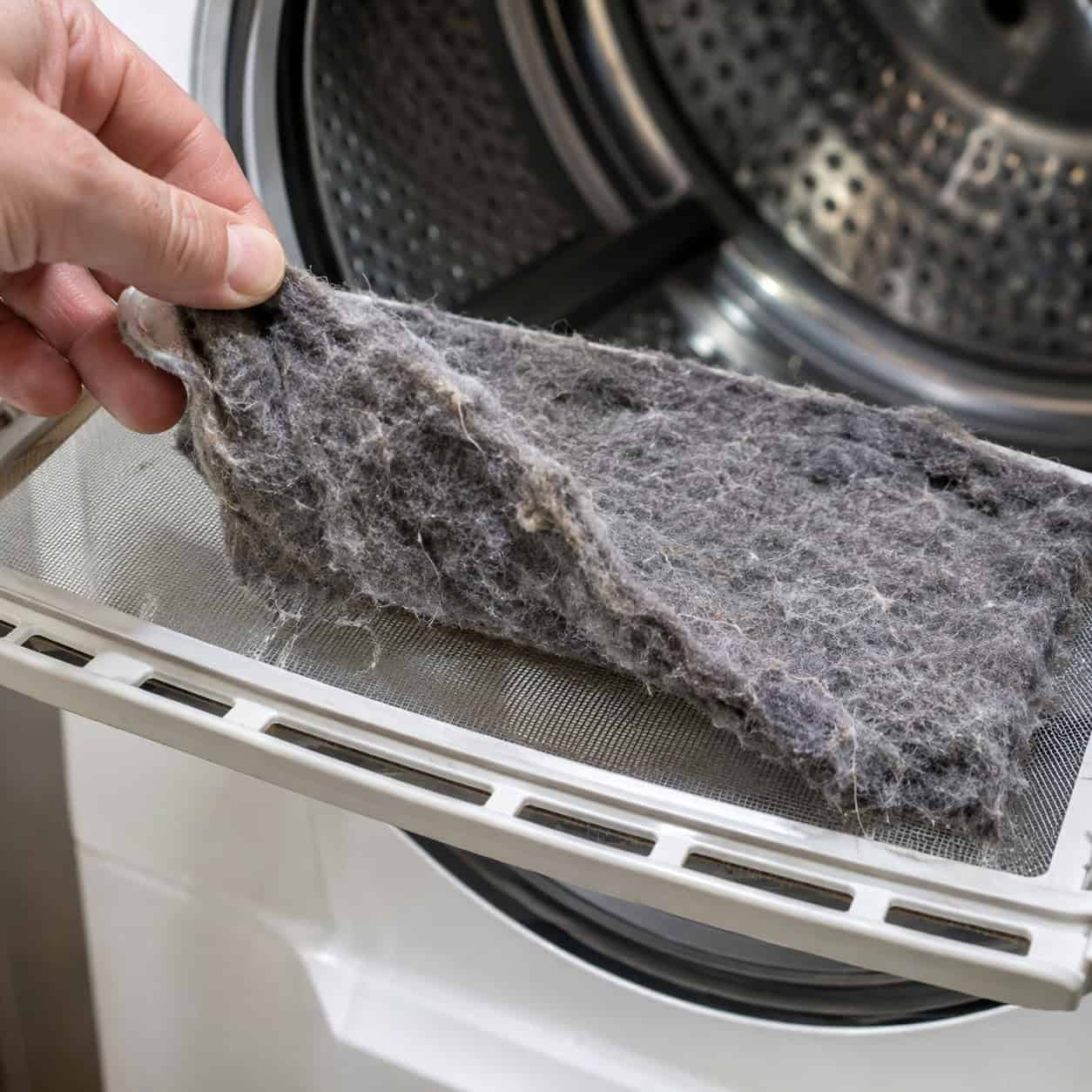
Home dryers arrived in force in the 1950s, and the screen got pulled and wiped before the door ever shut again. Every load. No exceptions.
A clogged screen chokes airflow, which means the machine runs longer and hotter to do the same job. That’s a bigger power bill on every load forever, not just once.
It’s also the fire risk. U.S. fire departments respond to roughly 14,000 dryer fires a year, and failure to clean is the leading cause by a wide margin. Lint is dry, fine cotton fiber sitting next to a heating element.
The screen is only half of it. The duct behind the machine packs with lint too, especially on long runs with elbows, and it needs a real cleaning every year — more if you’ve got a big household or a vent that runs more than fifteen feet.
Watch for the tells. Clothes that take two cycles to dry. A dryer top that’s hot to the touch. Laundry that comes out hot but still damp. A burning smell. Any one of those means the air isn’t getting out.
And if you’ve been using dryer sheets, run the screen under water once in a while. Softener residue builds an invisible film across the mesh that blocks airflow even when the screen looks clean — if water beads on it instead of passing straight through, scrub it with a brush.
Vinyl flex duct should go in the trash. Rigid or semi-rigid metal, the shortest run possible, and a flap that actually closes at the wall.
18. She Aired Clothes Instead of Washing Them

Washing meant an all-day job with a boiler and a wringer, so she didn’t wash anything she didn’t have to.
A wool skirt, a coat, a dress worn for two hours to church — those went on the porch line overnight or over a chair back. Air moving through fabric takes odor with it.
Fewer cycles means less water, less heat, and garments that last years longer. Most clothing dies from washing, not wearing. It’s the least obvious money-saver on this list.
19. She Caught Rainwater Because Soft Water Needs Less Soap

Rain barrels under the downspouts, cisterns in the cellar. Soft water was worth collecting.
Hard water binds up soap before it can clean anything, which means more detergent per load, duller fabric, and scale building inside every valve and heating element the water touches.
Find out what your water actually is — most utilities publish it, and a test strip costs a few dollars. Knowing whether you have hard or soft water lets you dose correctly instead of guessing high, and it explains a lot of stiff towels.
20. Starch Made Dirt Slide Off

Boiled starch first, then the spray cans. Collars, cuffs, aprons, and table linens all got it.
Starch isn’t only about crispness. It lays a sacrificial film over the fiber so grime sits on the starch instead of working into the weave — then the whole layer washes out and takes the dirt with it.
Less scrubbing. Fewer shirts ruined by a stain that set. A fashion habit that was really maintenance.
21. She Knew the Age of Her Hoses and Belts

A washing machine was expected to last twenty-five years, and it did, because somebody looked after it.
Belts got swapped. Bearings got oiled. And the rubber fill hoses got looked at every spring — squeezed for soft spots, checked at the fittings for rust and bulges.
Do that now. Rubber supply hoses should be replaced every five years, and braided stainless steel is the upgrade worth paying for at roughly $15 a pair. Roto-Rooter recommends leaving several inches of slack behind the machine so the hose never kinks against the wall.
Front-loaders add a second chore. The door gasket traps water in its fold, and that’s where the black mildew ring comes from — wipe it dry after the last load, pull any hair or lint out of the channel, and leave the door cracked open so the drum can breathe.
Clean the detergent drawer too. It’s usually removable, and it’s usually disgusting.
Check the drain hose while you’re back there. It should hook into the standpipe, not jam down into it, or you’ll get siphoning and a floor full of water. And level the machine — a washer that shakes like crazy is destroying its own bearings on every spin cycle.
Twenty minutes a year. That’s the whole maintenance program.
22. Every Pocket Got Emptied Before the Load

In the wringer era a stray coin could jam the mechanism, so pockets got turned out cold, every time.
The stakes haven’t dropped. Coins, screws, and nails chew up drain pumps. A crayon through a hot cycle ruins an entire load. Tissues coat everything in white fuzz you’ll be picking off for a week.
Ten seconds against a $250 service call. Do the math once and it becomes a reflex.
23. She Brushed and Aired Wool Instead of Dry-Cleaning It

A stiff clothes brush hung by the door. Cedar blocks sat in the closet.
A good brushing lifts surface dirt out of wool before it grinds into the fiber. Hang the coat in a steamy bathroom, then out on the line overnight, and it comes back flat and fresh.
Dry cleaning now runs $15 to $25 per garment. Skipping four trips a season is real money, and the solvents are hard on wool anyway.
24. Loads Went Back to Back While Everything Was Hot

She never let the copper boiler cool between loads. Wash day had momentum on purpose.
Same principle applies to your dryer. The first load spends several minutes just bringing a cold drum up to temperature, and every load after that starts warm.
Run them consecutively instead of scattering them across the evening. It shaves energy off every load but the first, and costs nothing but planning.
25. Soap Slivers Went Into a Jar, Not the Trash

A soap shaker was a little wire cage on a handle. You loaded it with the ends of worn-down bars and swished it through the wash water until they dissolved.
No sliver ever hit the garbage. Not one.
That’s the whole mindset in a single object — nothing left the laundry room until every bit of usefulness had been taken out of it.
26. Wash Day Was a Day, Not a Midnight Chore

Monday. Everyone knew it, in almost every house in America, and the whole week’s rhythm was built around it.
Batching mattered more than any single trick on this list. One water-heater recovery instead of five. Full loads instead of half-empty ones. One round of sorting, one round of folding, one stretch of line time while the sun was high.
Modern laundry leaks across all seven days — a load thrown in at 11 p.m. because somebody needs a uniform. Half full, warm water, dryer on high.
The savings were never about products. They were about rhythm.
27. She Let the Line Do Her Ironing

Snap it hard, smooth the seams with a palm, hang it by the shoulders. Do that and most of the wrinkles never form.
Permanent press fabrics arrived in the mid-1960s and made the skill mostly obsolete. But hang a cotton dress shirt wet and straight and you’ll still see the difference.
The energy saved by skipping the iron is small. The twenty minutes saved isn’t.
28. Clothes Came Off the Line Slightly Damp

Bone-dry cotton on a windy day gets brittle and stiff. She pulled things a little early.
Damp fabric ironed better, folded flatter, and lasted longer — the fibers never got baked. Anything that needed pressing went into a basket, rolled up, and waited for the iron.
The modern equivalent is the dryer’s moisture sensor setting instead of a timed cycle. Stop the heat when the clothes are nearly there, not fifteen minutes after.
Your grandmother wasn’t minimalist and she wasn’t sustainable. Those words didn’t exist in her laundry room.
She was working with one tank of hot water, one afternoon of sun, and clothes that cost too much to ruin. Constraint made her good at this.
You don’t have to haul rinse water to the tomatoes to get the benefit. Close two valves, turn the dial to cold, and clean the lint screen — that’s most of the money, right there, from habits that were free the whole time.