

Walk into any bathroom showroom and the lighting does half the selling. Matte black taps glow under warm spots. Marble slabs get wiped down every hour by staff you never see. Nobody splashes toothpaste on the demo faucet.
Then it lands in your house. And a week later you notice the water spots.
Some of the most photographed bathroom materials on the internet are quietly miserable to keep clean. They look like money right up until you’re standing there with a rag, wondering why the finish is going blotchy or the grout has turned pink.
None of this means these materials are bad. It means the showroom left something out.
Here are 18 trendy bathroom materials that look expensive until the moment you have to maintain them — and what actually goes wrong.
1. Matte Black Faucets and Hardware
The showroom favorite. Moody, modern, expensive-looking under a spotlight.
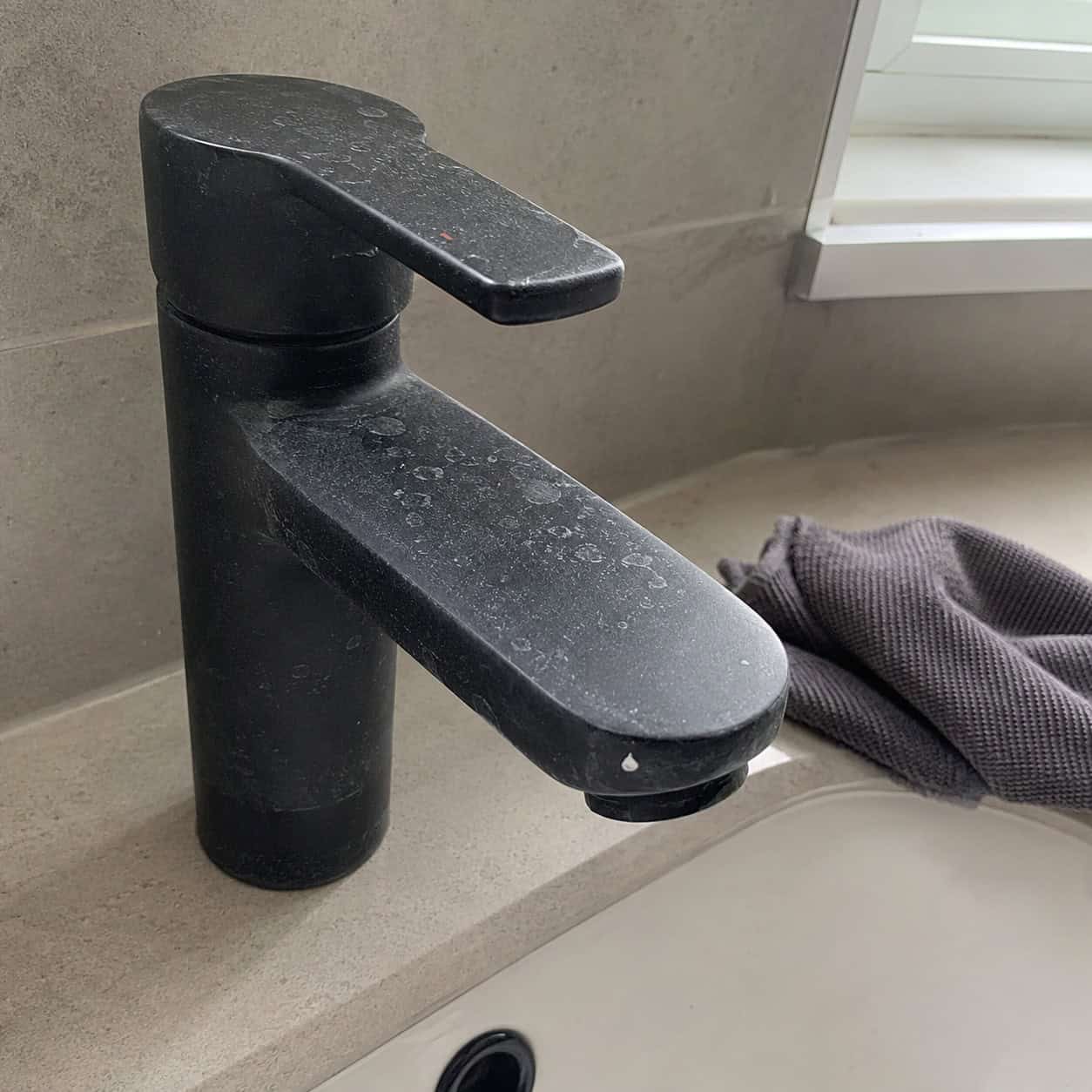
Then you use it. Matte black has no shine to hide behind, so every fingerprint, toothpaste fleck, and hard-water spot sits right on the surface for everyone to see.
Worse is what happens when you fight back. Abrasive pads and acidic cleaners strip the coating, and once matte black fades or goes shiny in patches, it doesn’t come back. You need a soft cloth, mild soap, and the patience to wipe it dry after every use.
People underestimate how much dust a non-reflective finish grabs, too. It’s a battle plenty of homeowners lose, which is worth knowing before you commit to whether black faucets are hard to keep clean.
2. Unlacquered ‘Living Finish’ Brass
Sold as the metal that ages for you. Buy it, do nothing, let it develop a warm patina like an old French bistro tap.
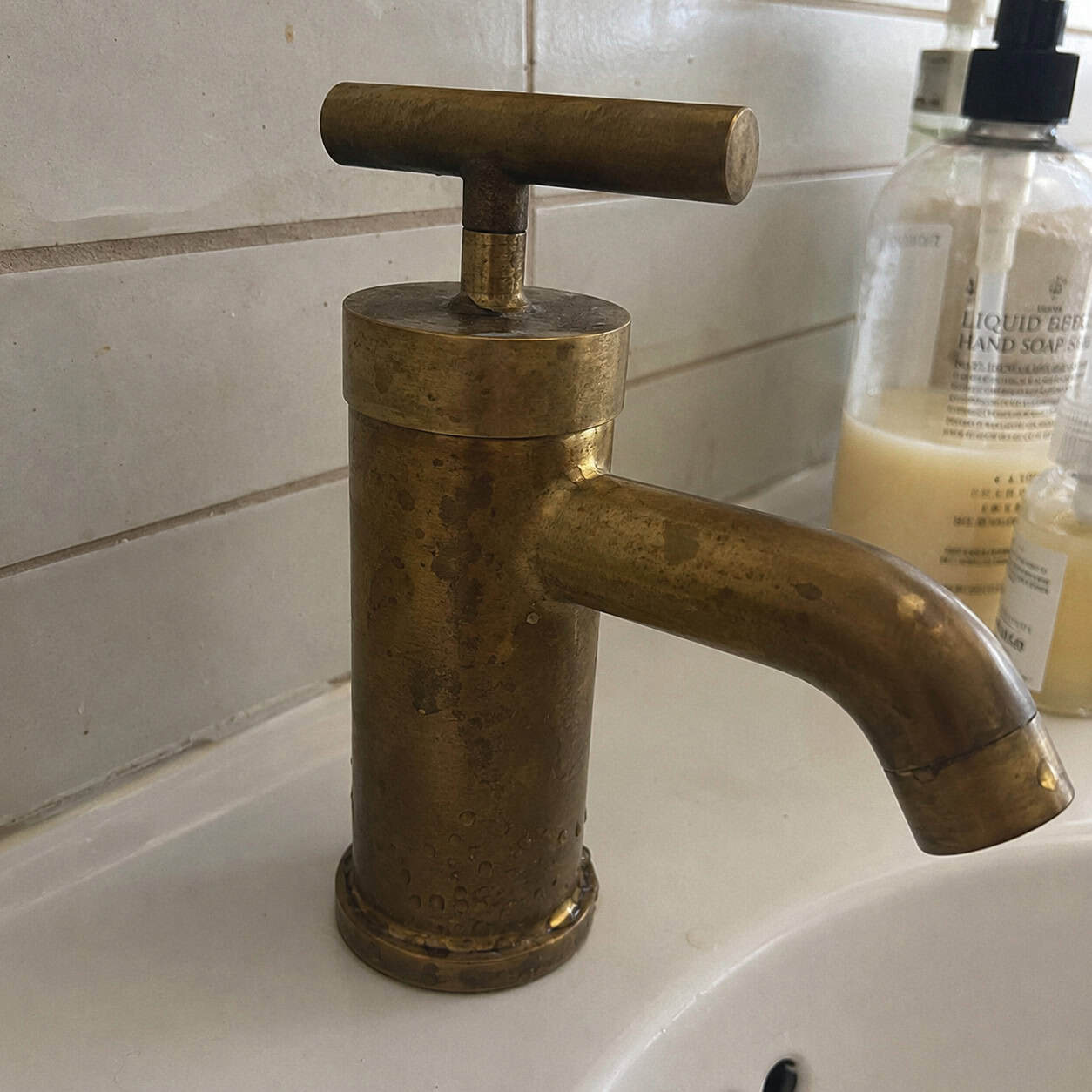
That’s the pitch. The reality is patina doesn’t arrive evenly.
Water left to air-dry leaves spots. High-touch zones stay bright while the rest darkens, so instead of a rich even glow you get a fixture that looks streaky and neglected. And you can’t reach for the bleach or vinegar spray under the sink — both react with raw brass and leave blotches you’ll stare at for months.
Brass-care guides like Brassna recommend gentle soap and a dry cloth, and accepting that “no maintenance” was always marketing. This is a finish you have a relationship with, not one you install and forget.
3. Honed Marble Vanity Tops
Nothing looks more expensive than a slab of honed marble. That soft matte white with the gray veining running through it. It photographs like a five-star hotel.
It also punishes you daily.
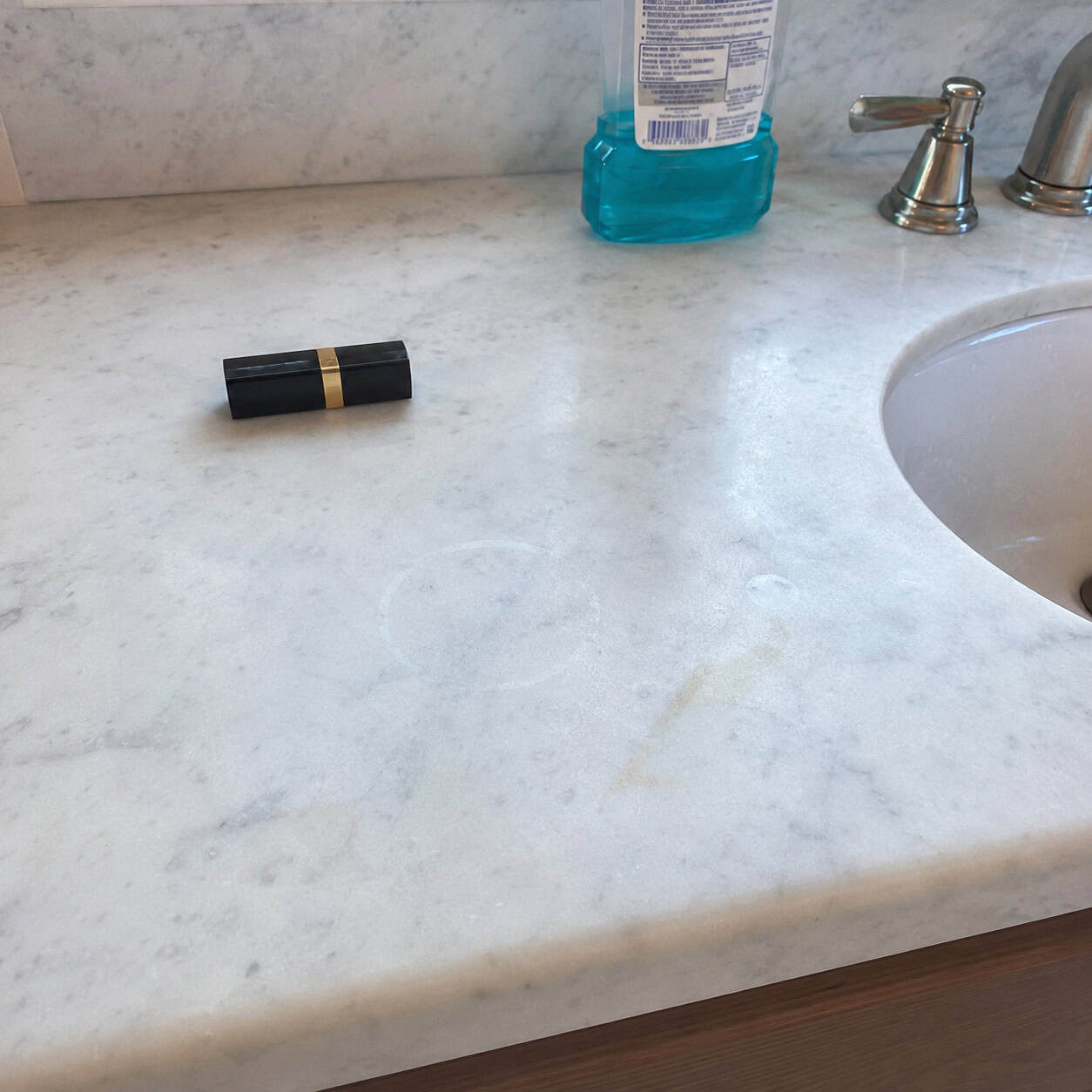
Marble is porous and calcium-based, which is a bad combination in a room full of liquids. It drinks in stains — perfume, mouthwash, a dropped lipstick — and holds them.
The real heartbreak is etching. Anything acidic touches the surface and eats a dull, rough spot into the polish. Not a stain sitting on top. An actual chemical burn into the stone.
Toothpaste does it. So does lemon, wine, and a lot of common bathroom cleaners. Sealer does not stop etching — sealer slows staining, but etching is a reaction with the stone itself, and no product prevents it.
Which brings up the maintenance schedule nobody mentions at the slab yard. Honed marble needs resealing roughly every 12 to 18 months, and you clean it only with pH-neutral products — never anything acidic or abrasive. The Iowa State University Extension spells out how easily acids and even mild household cleaners damage natural stone.
When etching gets bad enough, you’re not cleaning it — you’re refinishing it. A stone restoration pro will hone and re-polish the surface, and that call runs well into the hundreds of dollars depending on the size of the top.
Test it before you buy: ask the fabricator to drop lemon juice on a sample and watch the dull spot form. If you can live with that, buy it. If you can’t, look at what to clean a granite countertop with instead — granite forgives what marble punishes.
4. Concrete Sinks and Countertops
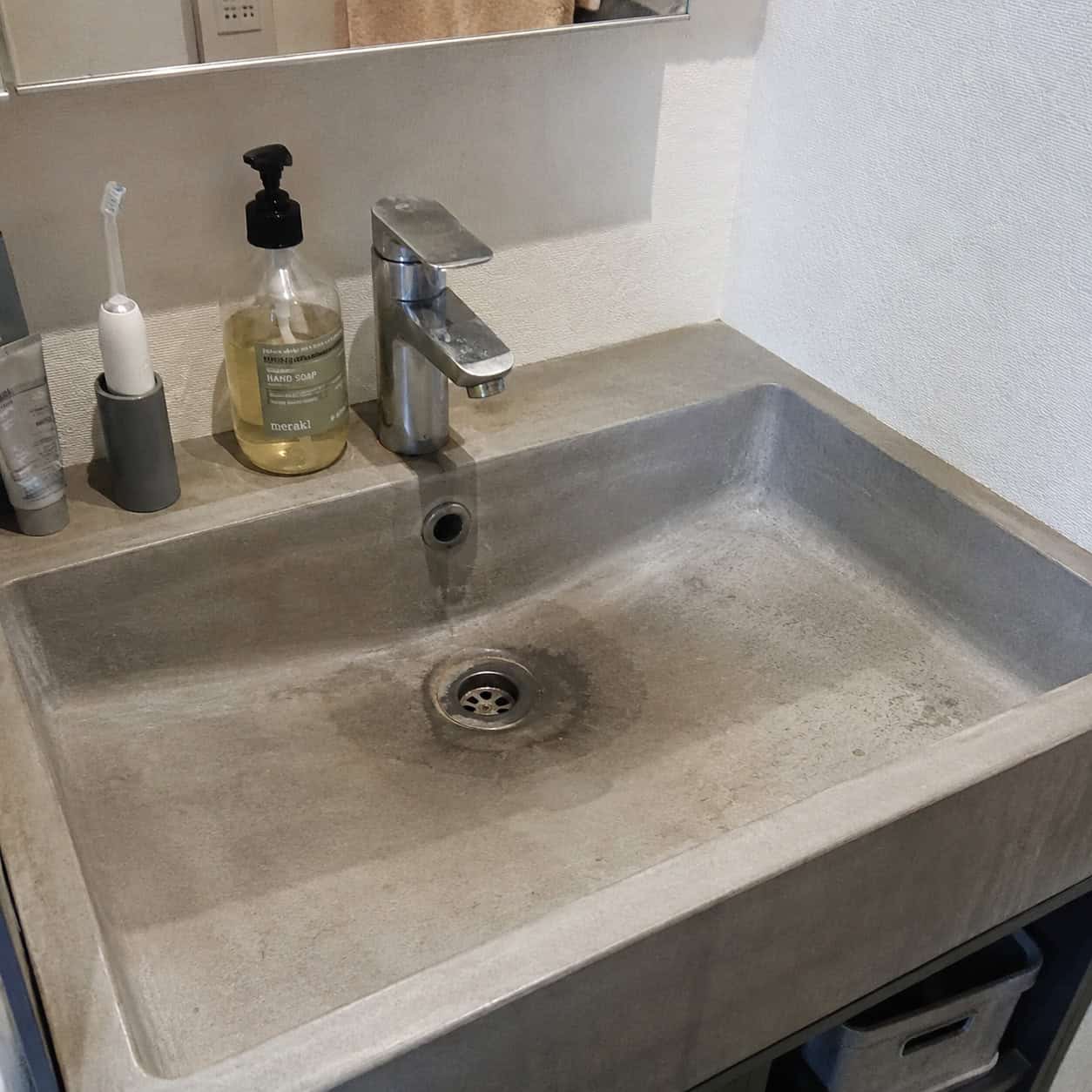
Custom, architectural, one-of-a-kind. Concrete reads as serious design money.
It’s also a sponge in a trench coat.
Raw concrete is porous and has to be sealed, and even sealed it’s vulnerable. Makeup stains it. Toothpaste stains it. Nail-polish remover eats right through the sealer and into the surface.
Then there’s erosion. Running water slowly wears away the soft cement paste, so the spot under your faucet develops a worn hollow over the years.
Fabricators know this. Many hand clients a disclaimer on concrete sinks specifically, warning that stains and hairline cracks are part of the material, not a defect. When the maker is asking you to sign something, that tells you what maintenance looks like.
5. Handmade Zellige Tile
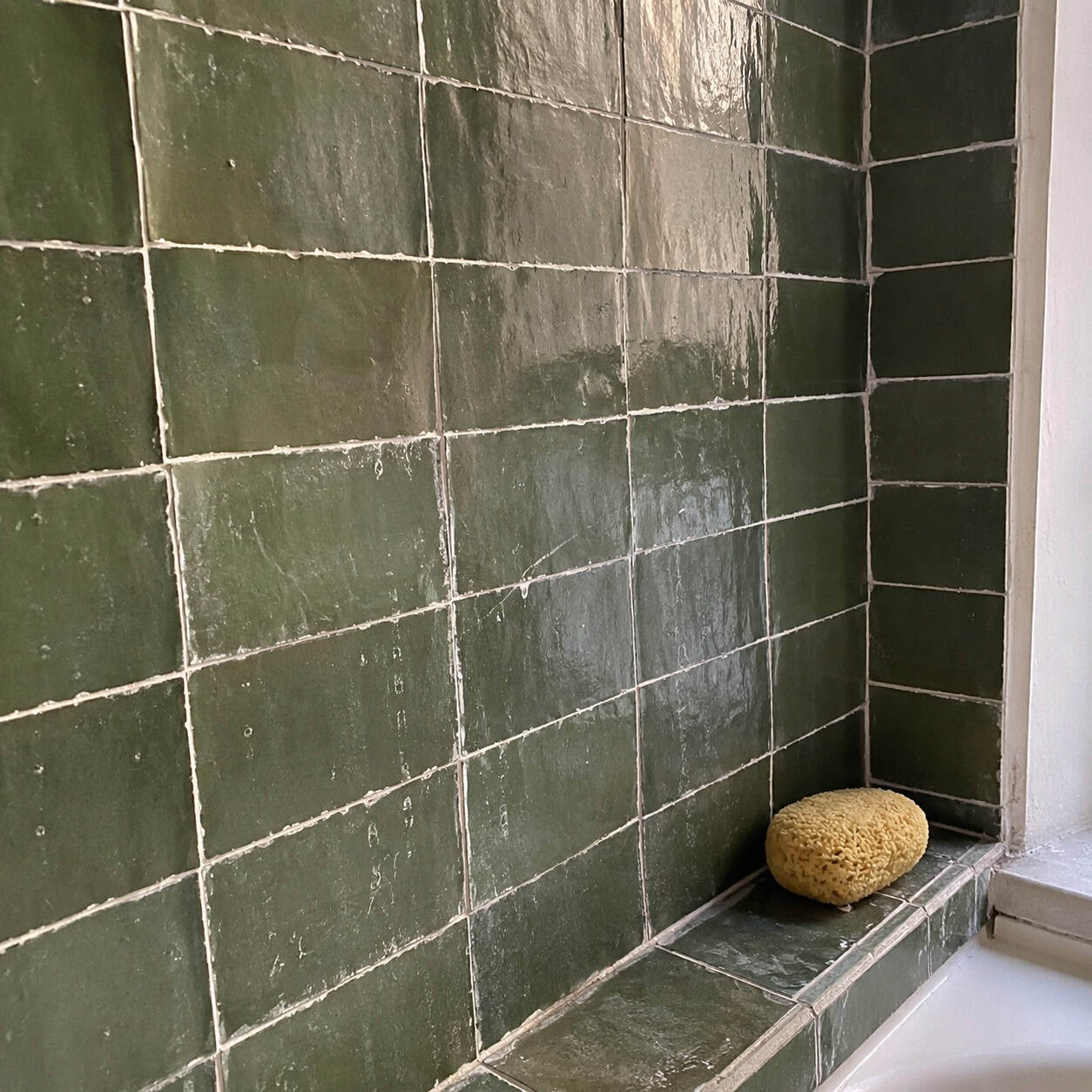
The most-saved tile on Pinterest right now. Moroccan, hand-glazed, each piece slightly different, catching light like water.
Cleaners hate it.
Those irregular handmade edges mean the grout lines run crooked and wide, and every one of them is a porous channel that traps soap scum and grime. There’s no wiping a straight line across zellige.
The glaze is the other trap. It’s delicate, and normal scrubbing scratches it, so the pressure you’d use on ordinary tile slowly dulls the shine that sold you.
Gorgeous on a wall you never touch. On a shower surround you scrub weekly, it’s a commitment. Even fans of the look, like the write-up at House Digest, flag the upkeep as the catch.
6. High-Gloss Dark Glass Tile
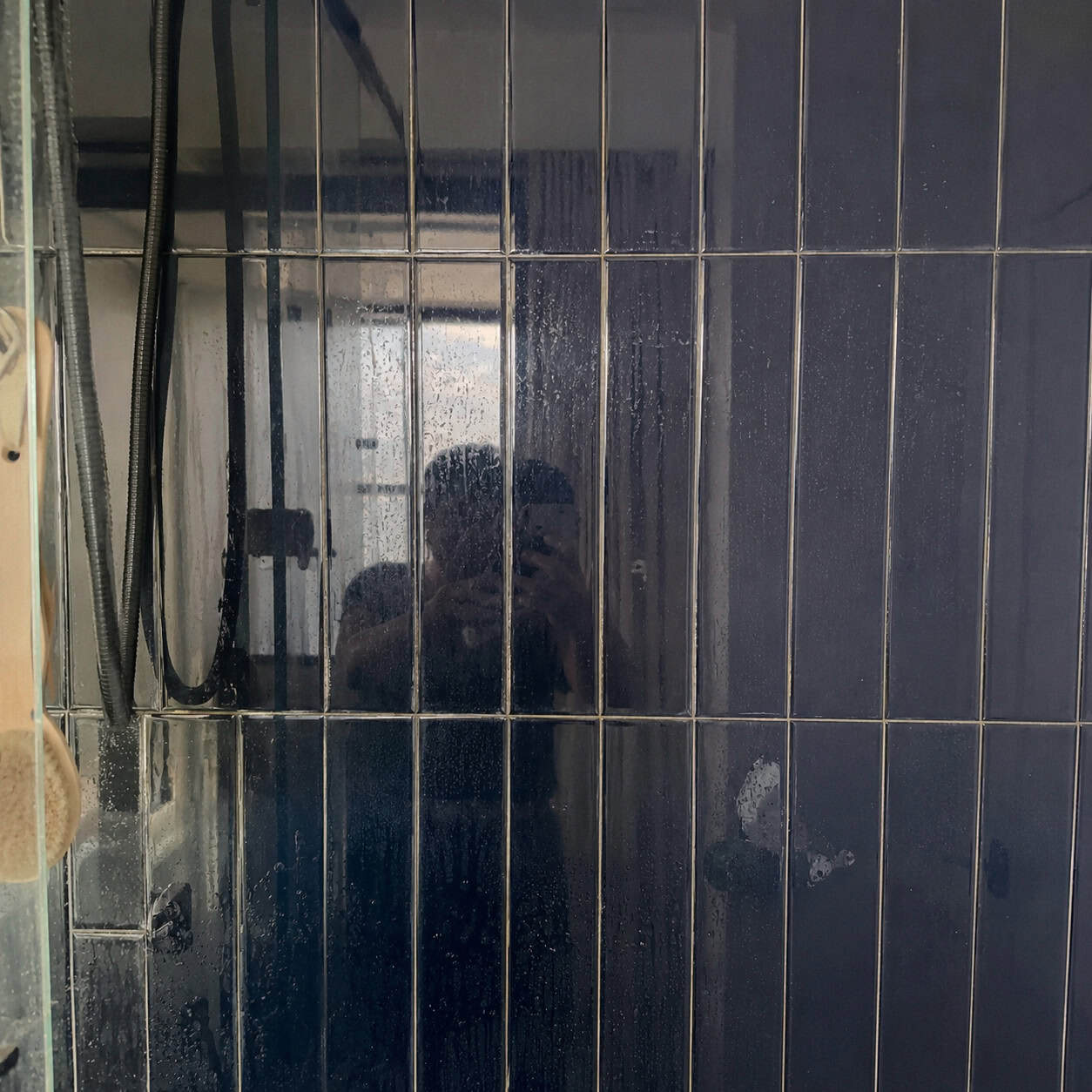
Deep navy, black, emerald — glossy glass tile looks like poured liquid jewelry. On a feature wall it stops you.
In a wet room it betrays you.
Dark and glossy is the worst possible combination for hiding mess. Every water spot, every fingerprint, every soap streak shows against the reflective dark surface.
The exact sheen that makes it look expensive is what makes it look permanently dirty five minutes after a shower. You’ll squeegee it and it’ll still show the last drop that ran down.
Save the drama for a dry accent wall. Behind the sink or in the shower, glossy dark glass is a full-time job.
7. Penny Tile and Small Mosaic Floors
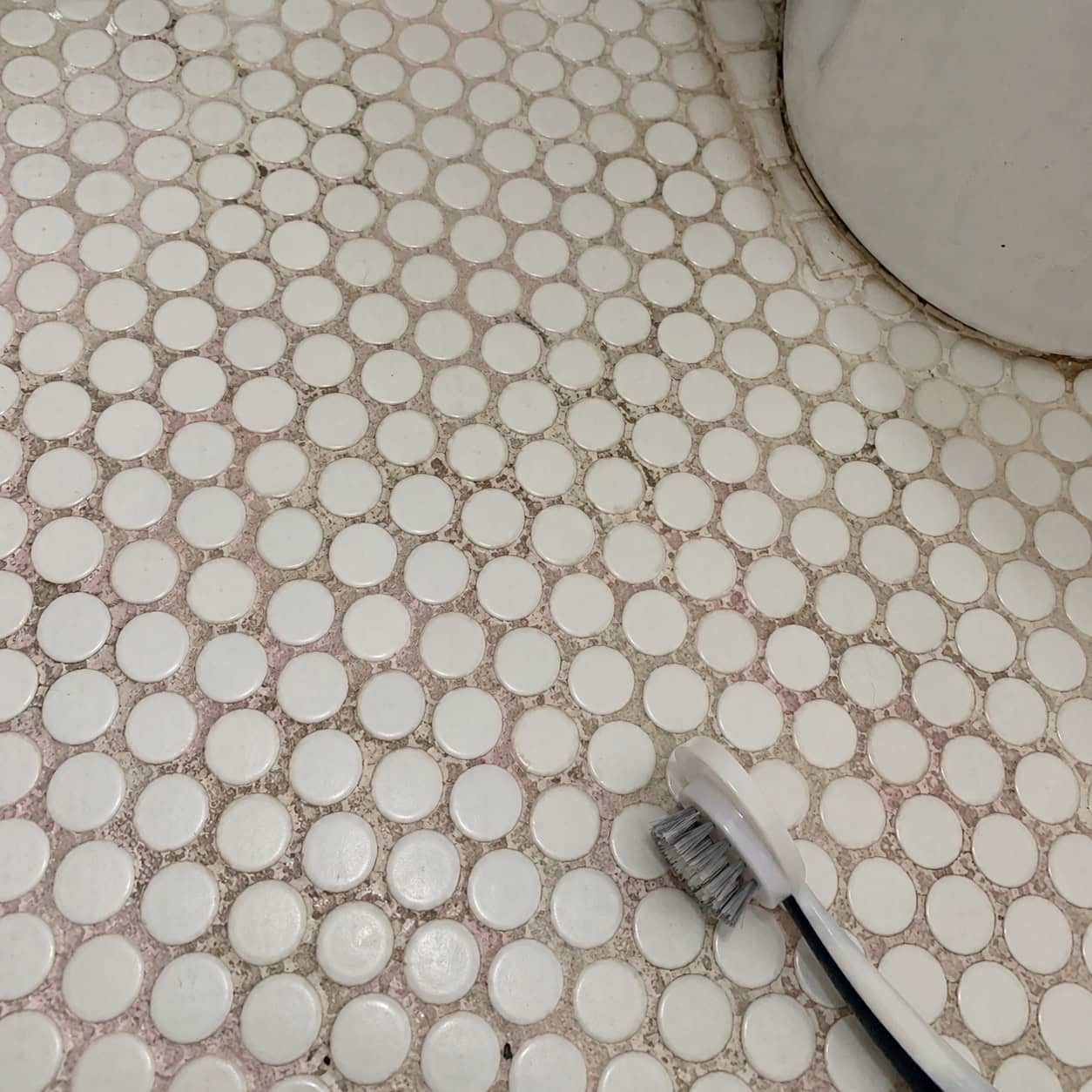
That vintage turtle-shell floor. Victorian charm, hex or penny rounds, the kind of thing that makes a bathroom feel restored rather than renovated.
Now count the grout lines.
A penny-tile floor has hundreds of grout joints per square foot, and grout is porous. Every one of those lines attracts mold, soap scum, and mineral deposits, and there are a staggering number of them in a small space.
The upkeep math is brutal: more grout means more sealing, more scrubbing, and more places for pink mildew to set up. Plan on annual resealing to keep it from staining.
It looks incredible in photos. On your knees with a grout brush, it looks like a mistake.
8. Light-Colored Grout Everywhere
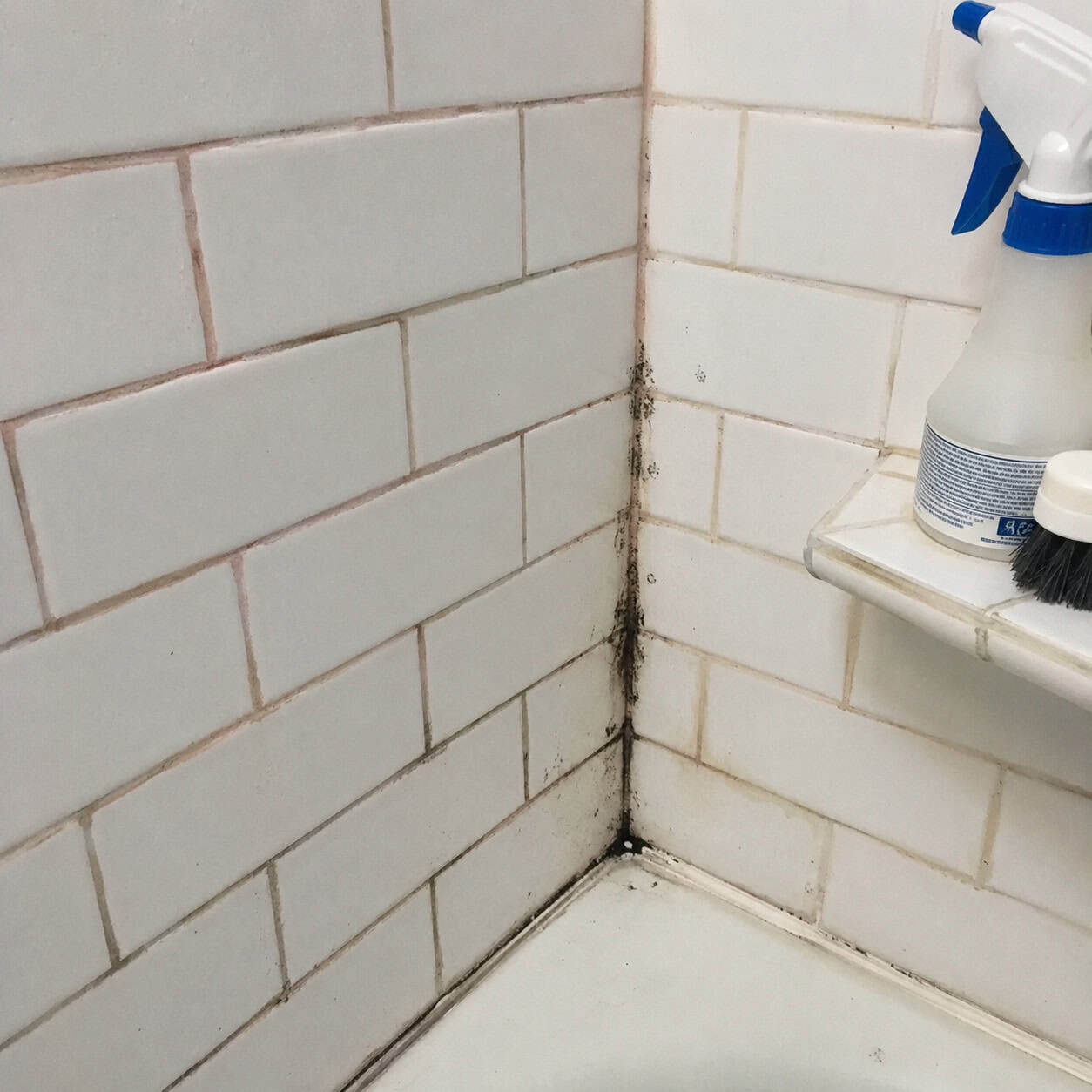
Bright white grout is the backbone of the clean, airy bathroom look. Crisp lines, everything fresh, the whole room reading like a magazine spread.
Give it a few months.
Grout is porous and it lives in the wettest room in the house. Pale grout turns gray from grime, pink from airborne bacteria, and black from mold — and it does it fast in a shower.
The gap between the aspirational photo and the reality is enormous, and it’s why so many of these choices end up on the list of bathroom choices that scream a certain era a few years later.
Here’s what keeps light grout alive:
- Seal it on install, then reseal every year or so
- Squeegee and ventilate after every shower to cut moisture
- Scrub with a grout brush and an oxygen-based cleaner, not just spray
- Hit early mold with a bleach solution before it sets into the pores
That pink tinge is a bacterium, not dirt, and it comes back if you only wipe the surface. Clorox lays out how to get mold out of grout and keep it from returning.
When grout gets past saving, you’re regrouting — grinding the old out and packing new in, a genuine weekend job or a pro bill. Darker or epoxy grout dodges most of this, and it’s worth the trade before you commit to bright white in a shower.
9. Frameless Clear Glass Shower Enclosures
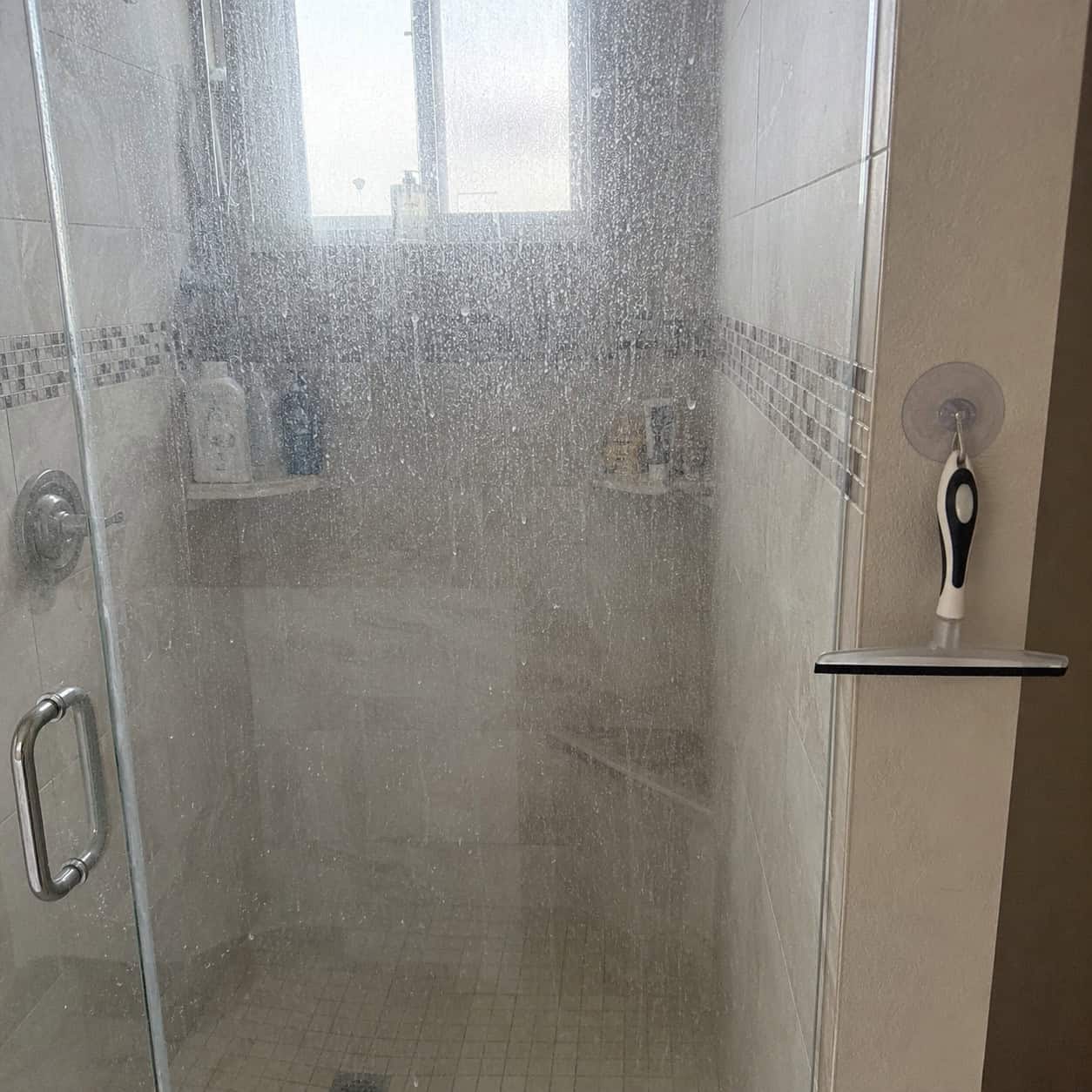
A seamless wall of glass. No frame, no track, just clean lines. It’s the default luxury-spa shower for a reason.
It’s also the fastest surface in the house to look filthy.
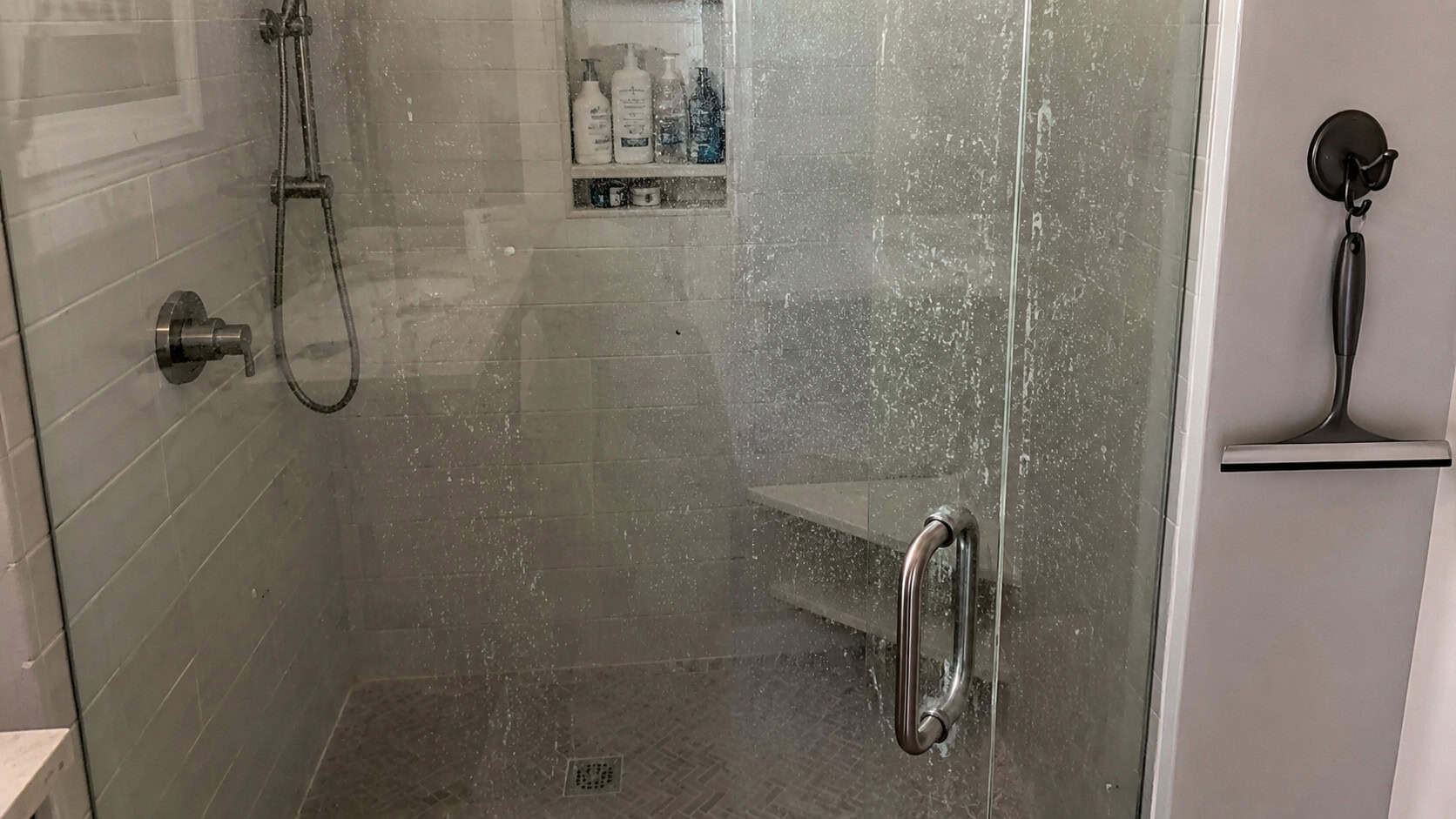
Clear glass shows hard-water film, soap scum, and cloudiness the moment it dries. And if you’ve got hard water, the minerals don’t just sit there — left long enough they etch into the glass permanently, and no cleaner brings that back.
The tax on this look is a squeegee, used every single time you shower. That’s not a suggestion, it’s the maintenance plan.
Glass shops such as City Glass recommend a protective coating plus daily squeegeeing to keep it clear. If your home runs hard, a softener helps the glass as much as it helps your faucet’s fight with hard water.
10. Vessel (Above-Counter) Sinks
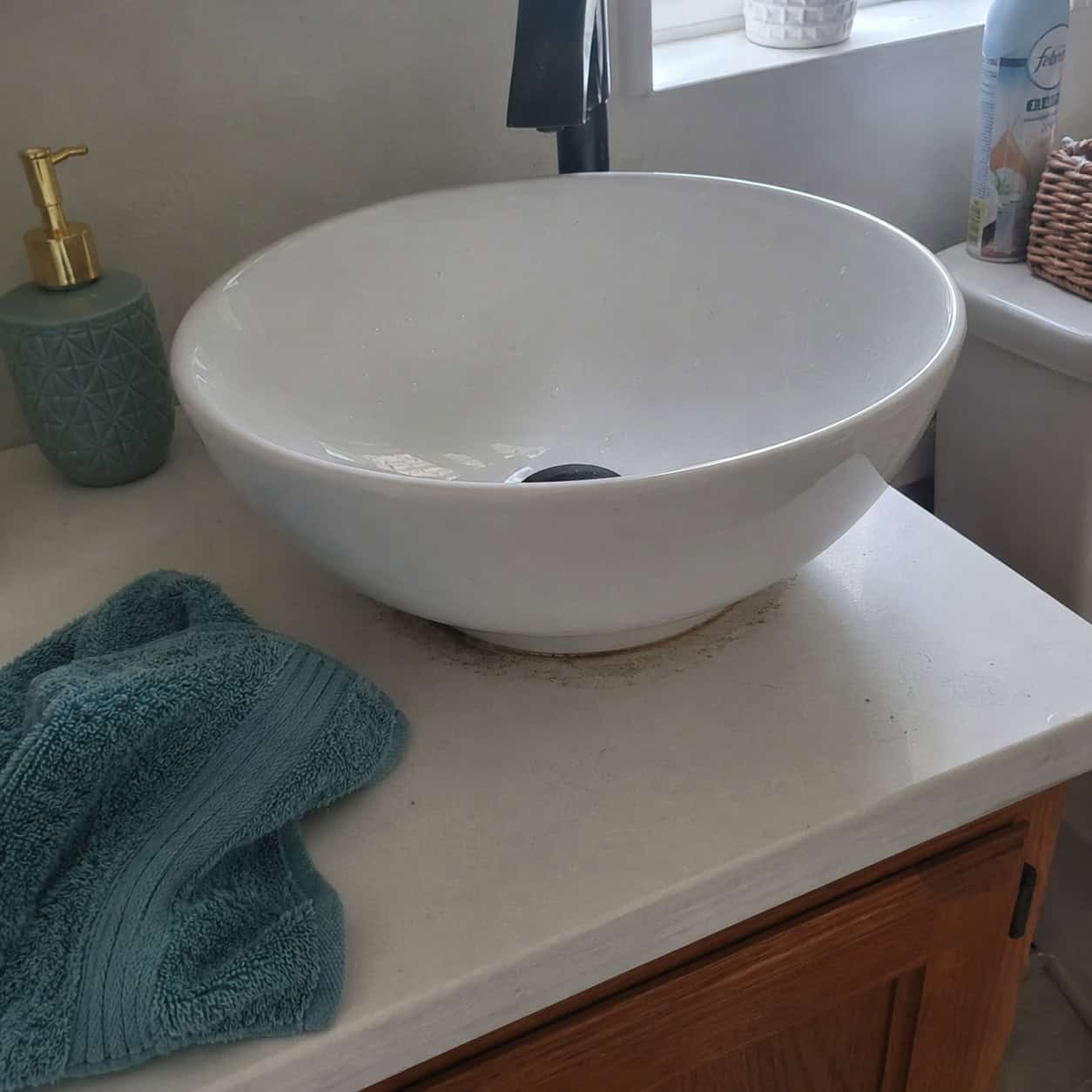
The sculptural bowl sitting on top of the counter like a piece of pottery. Boutique-hotel energy.
Look where it meets the counter.
That seam where the bowl base sits on the surface is a grime trap you can’t wipe through — water and soap collect in the ring and it gets grubby fast. The exposed base holds standing moisture that grows bacteria.
Cleaning pros name vessel sinks specifically as a design that makes their job harder. The write-up at Real Simple lists them among the choices that quietly add scrubbing to your week.
Beautiful object. Annoying seam. You’ll be cleaning around that base for as long as you own it.
11. Freestanding Soaking Tubs
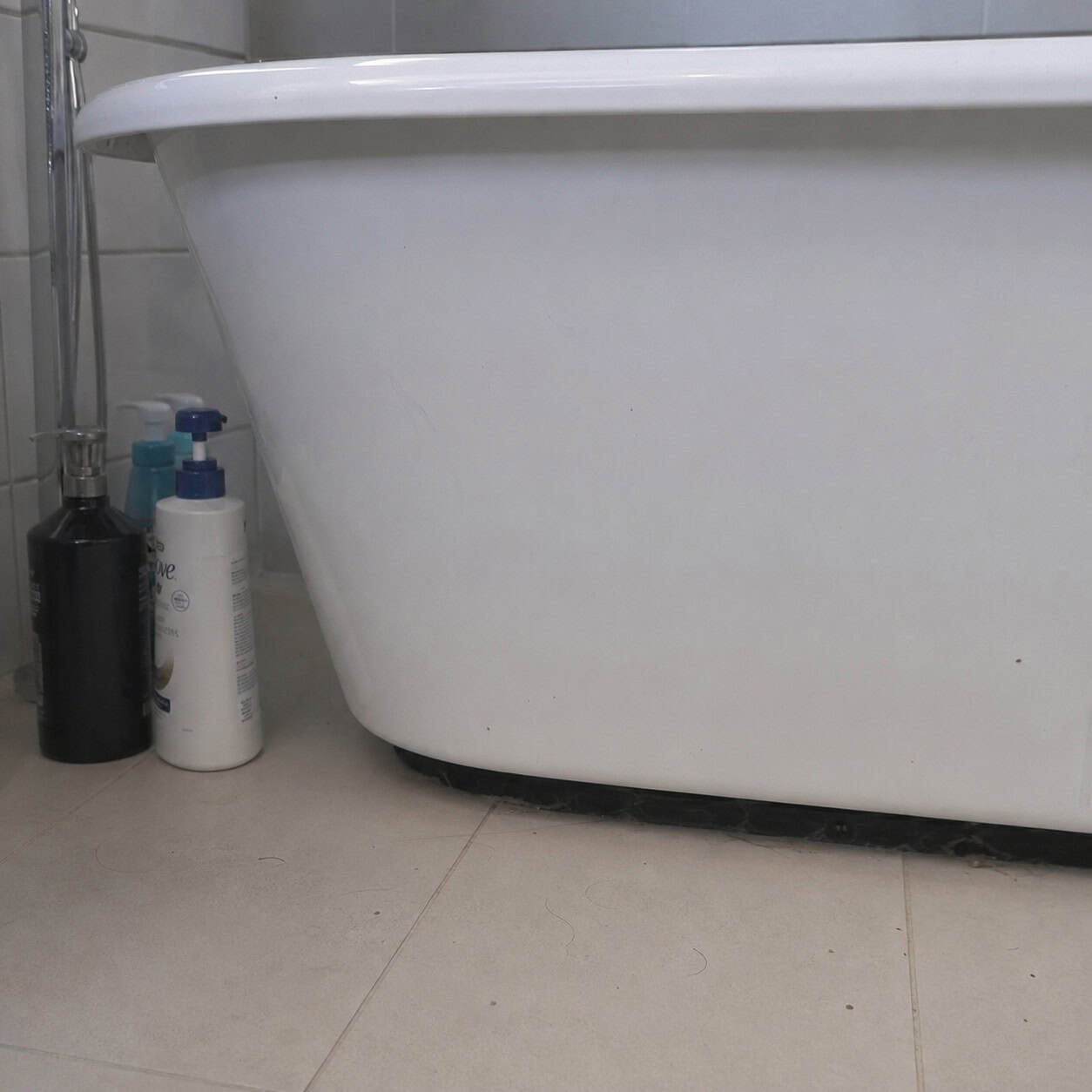
The magazine-cover centerpiece. A sculptural tub floating in the middle of the room, sunlight streaming in.
Nobody photographs underneath it.
That gap beneath a freestanding tub is a tunnel for dust, hair, and whatever rolls under there, and it’s a nightmare to reach. The awkward space between the tub and the wall collects the same.
There’s no built-in ledge either, so your shampoo and soap have nowhere to live but the floor. And filling a deep soaker eats hot water in a hurry.
Renovation pros list freestanding tubs among the features that look nice but are annoying to live with for exactly these reasons. Gorgeous to look at, a chore to clean around.
12. Whirlpool and Jetted Tubs
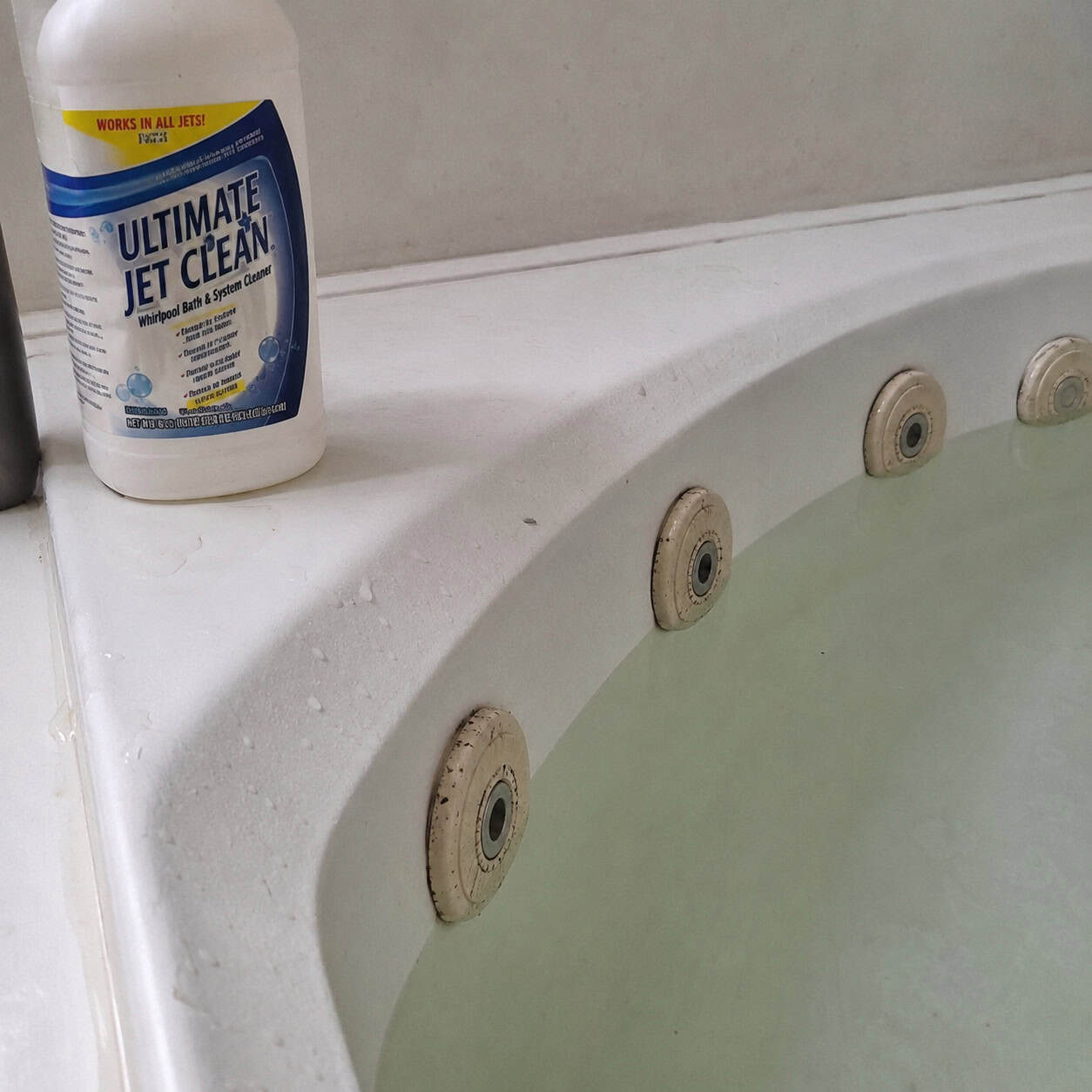
The at-home spa dream of the ’90s and 2000s. Push a button, get bubbles, feel fancy.
Now think about where that water goes when the jets stop.
It sits. In the hidden plumbing behind the jets, a film of soap, skin, and warm stagnant water becomes a breeding ground for mold and biofilm — the slick bacterial gunk you can’t see and can’t scrub because it’s inside the lines.
Run a jetted tub after it’s sat unused and people are horrified by the dark flecks that come blasting out of the jets. That’s the biofilm letting go.
Keeping it clean means running a full cleaning cycle regularly: fill with hot water, add a jet-line cleaner or a bleach solution, run the jets, drain, then run a clean rinse cycle. Skip it and you’re bathing in whatever grew in there — a genuine health concern, not just an ick.
Add the high water use and the mechanical parts that eventually fail, and it’s no surprise designers are actively pulling jetted tubs out of new builds. Forbes puts them squarely on the way out. If you already have one, run the cleaning cycle far more often than you think you need to.
13. Wood-Slab and Wood-Look Floating Vanities
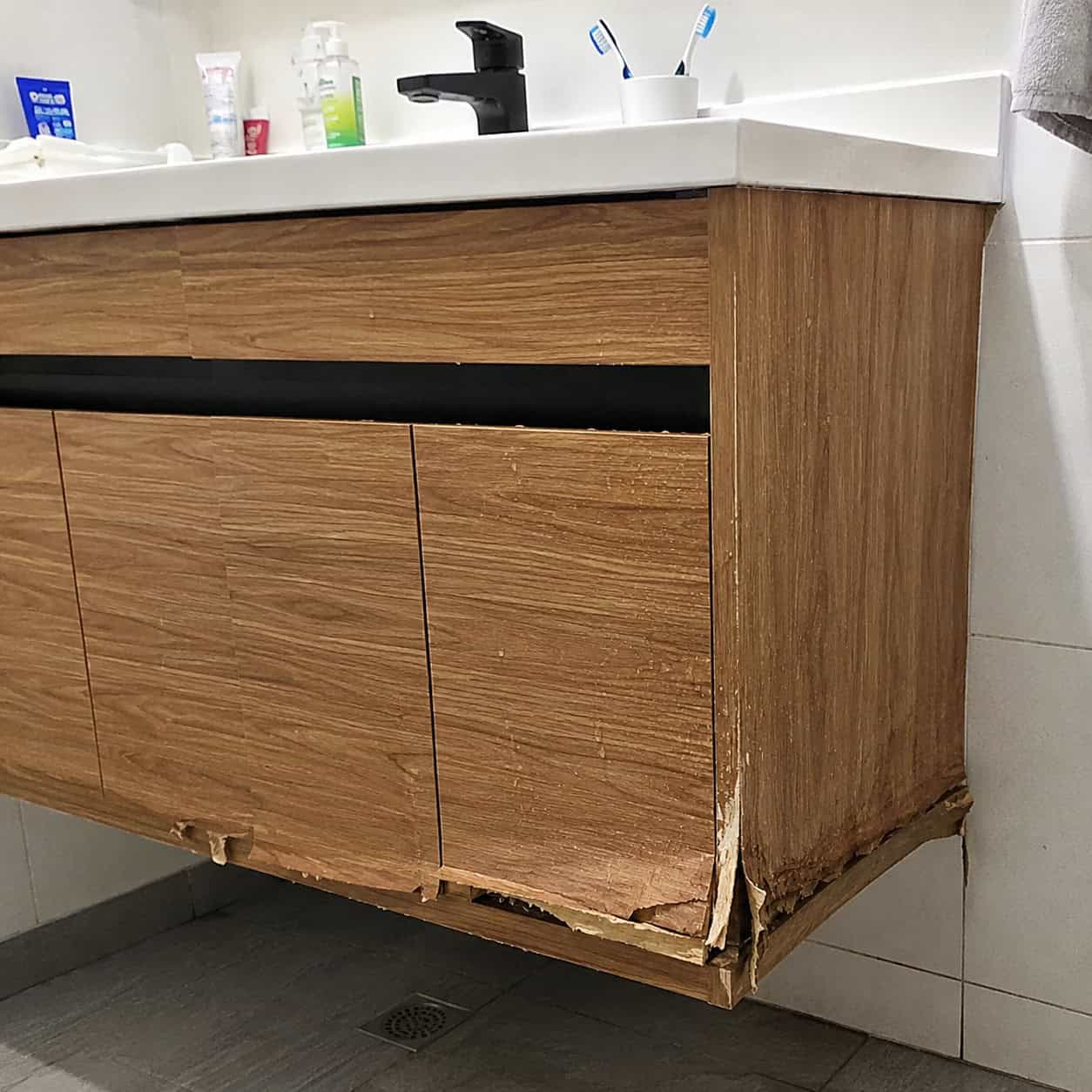
Warm, organic, custom-looking. A wood floating vanity softens all the hard surfaces in a bathroom.
Then humidity gets to work.
Budget versions hide a particle-board core, and particle board and water are enemies. Splashes and steam swell it from the inside, the edges puff up, and the whole thing warps.
Thin laminate and thermofoil finishes peel, especially near the sink and along the bottom edge where water pools. A showpiece turns into a swollen, peeling mess in a few years.
If you want the wood look, spend on solid wood or a marine-grade plywood core with a real sealed finish. The cheap version is a countdown, not a purchase.
14. Trendy Pop-Up and Colored Sink Drains
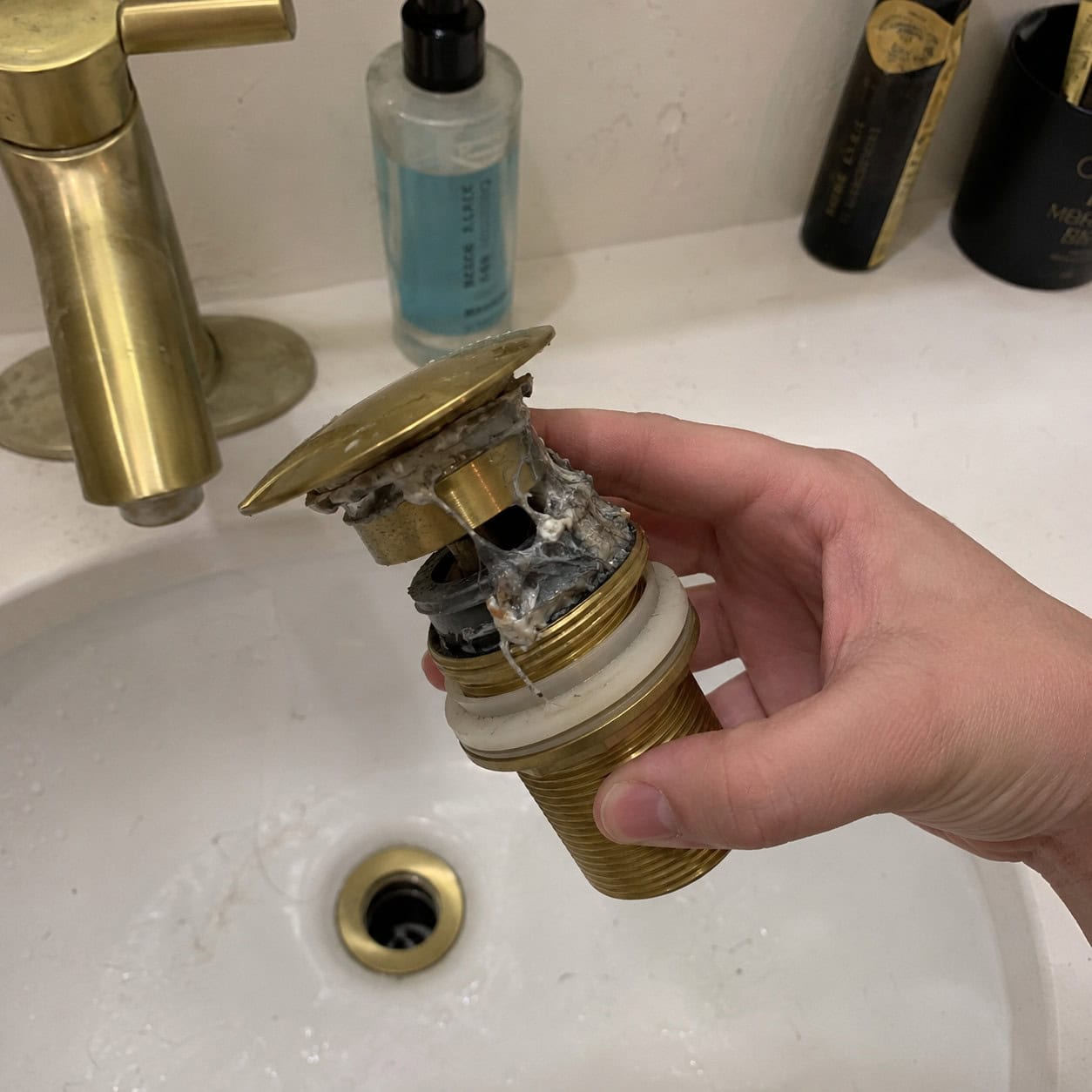
The tiny finishing touch. A drain that matches the faucet in matte black or brushed gold, so nothing breaks the color story.
It’s also a hair-and-toothpaste magnet.
Pop-up drains have a stopper mechanism that sits right in the flow, and it grabs hair, soap, and toothpaste sludge like a net. Clogs come fast and they come often.
Cleaning it means unscrewing and pulling the whole pop-up assembly out, wiping off the gunk, and reassembling — a job most people didn’t sign up for. If yours is already jammed, here’s how to fix a sink stopper that’s stuck shut.
Small detail, real recurring hassle. The matched finish looks great right up until you’re elbow-deep pulling out the stopper.
15. Travertine and Other Porous Natural Stone
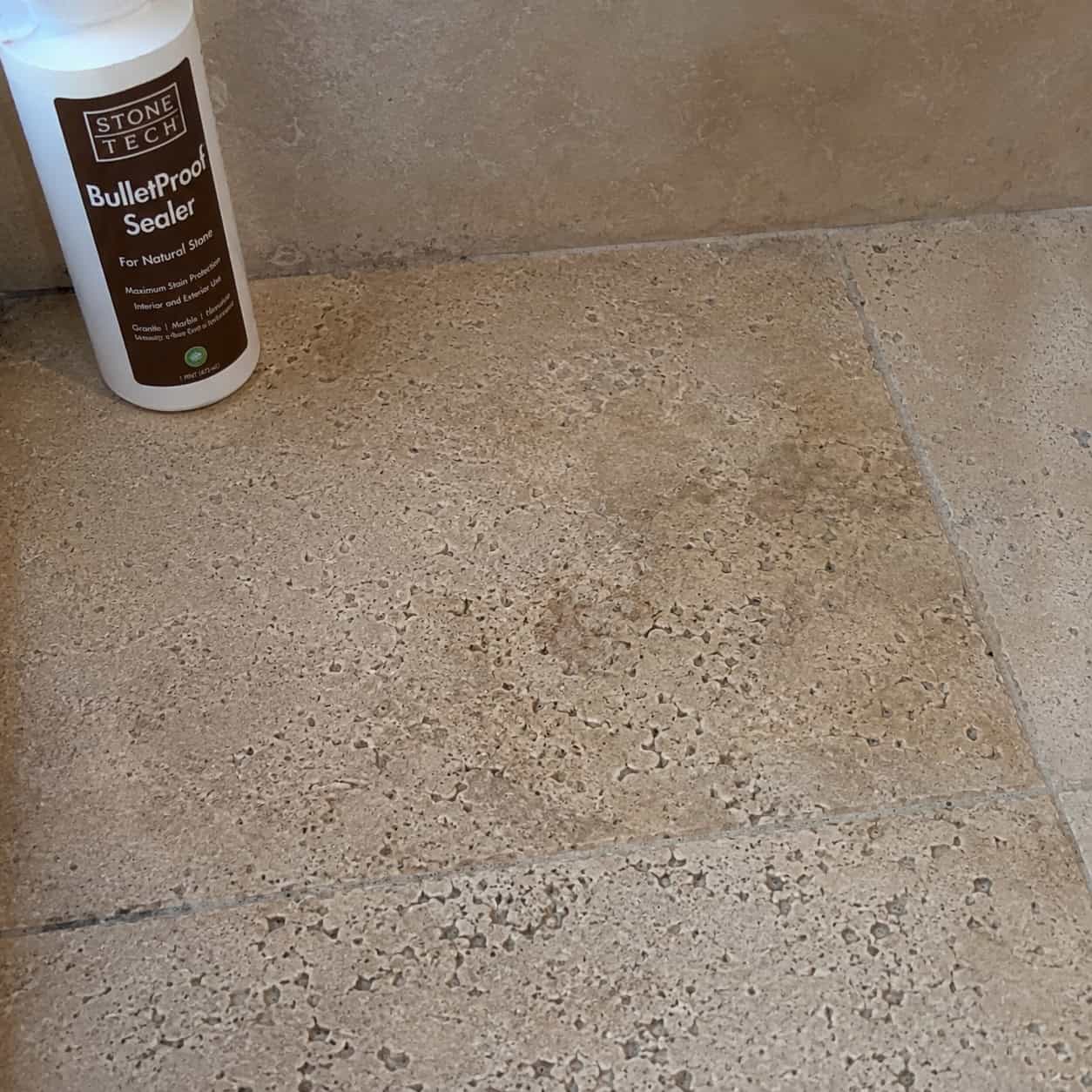
Warm, honey-toned, Old-World luxury. Travertine has a natural pitted texture that reads as rich and ancient.
Those pits are the problem.
Travertine is riddled with open pores and natural holes, and in a bathroom they fill with soap, grime, and mineral buildup. The character that makes it beautiful makes it a sponge.
It stains readily, it needs regular sealing, and acidic cleaners etch it the same way they wreck marble. The pits also collect standing water, which means mildew if the room doesn’t dry out.
It’s the same trap as honed marble, just with more places for dirt to hide. Buy it knowing you’ll be sealing it and babying the cleaners you use on it.
16. Fluted and Reeded Glass Shower Panels
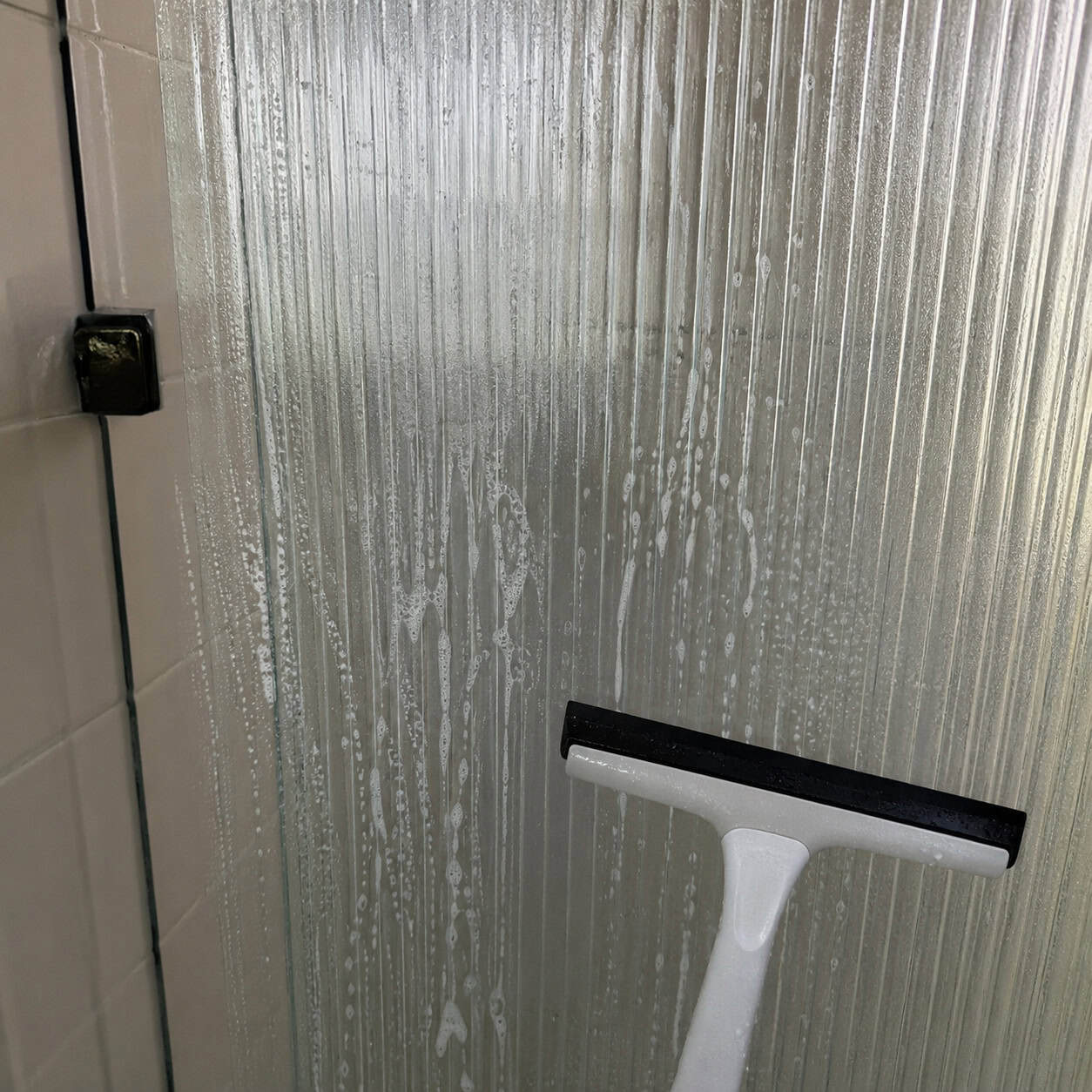
Vertical grooves running down the glass, softening the view while still letting light through. It’s the architectural upgrade over plain clear glass.
It also doubles your cleaning surface.
Every ridge and valley channels and holds water and soap film, and there’s roughly twice the surface area of flat glass to deal with. A squeegee skips right over the grooves it’s supposed to clear.
So you’re down to scrubbing each channel by hand to get the mineral film out. On a shower panel you use daily, that adds up quick.
Stunning as a dry partition or a window. In the splash zone, the texture that sold you is the texture you’ll fight.
17. Terrazzo Surfaces and Floors
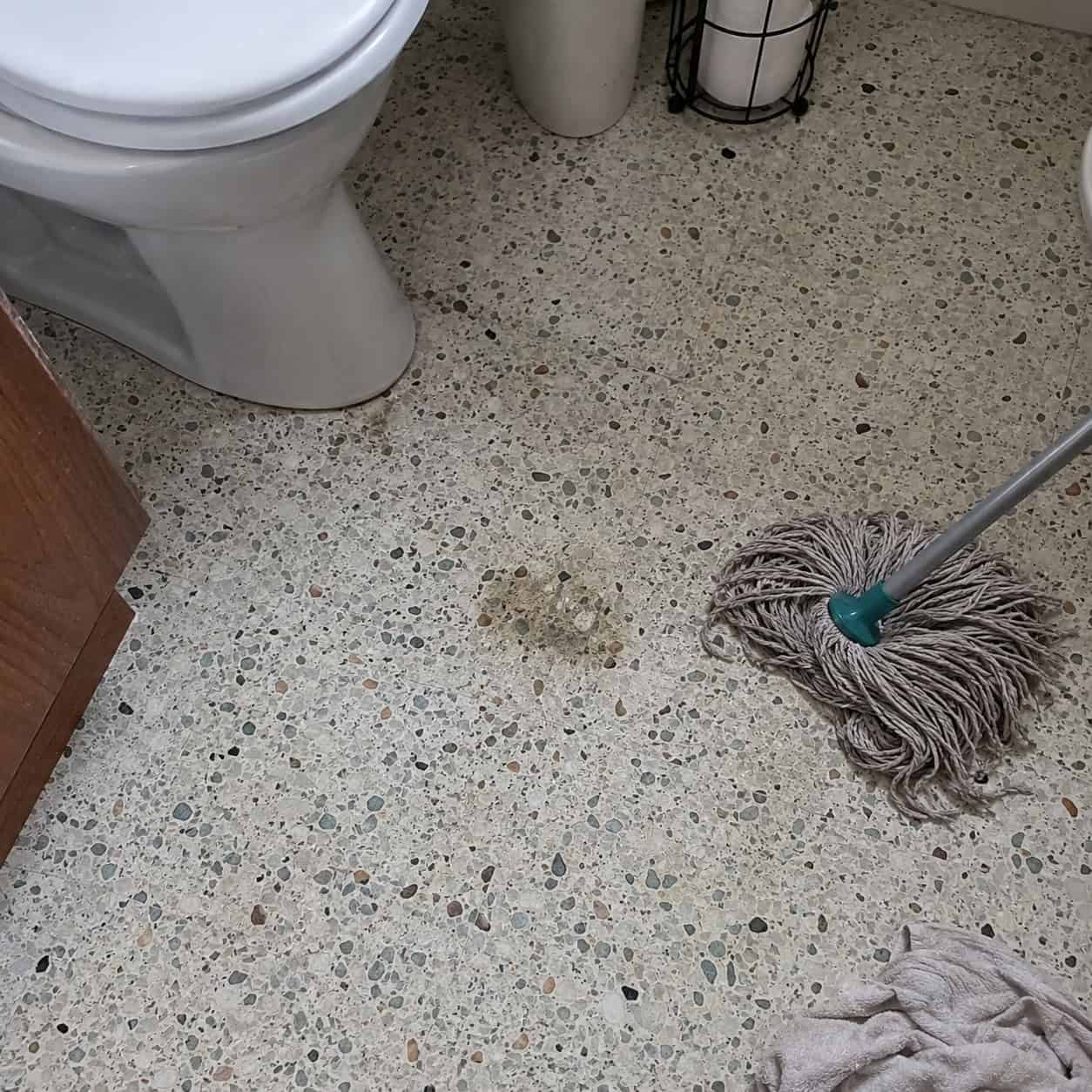
Speckled, retro, playful. Terrazzo is having a full-blown revival on floors, counters, and shower walls.
Most of what’s trending is cement-based.
Cement terrazzo is porous, so it needs sealing to survive a wet room, and skip the sealing and it soaks up stains like any raw cement surface. Acidic spills etch it too.
The busy speckled pattern is a double-edged thing. It hides everyday dust, which is nice, but it also camouflages a stain until it’s set — and then the aggregate makes targeted stain removal a fussy job.
Epoxy-based terrazzo holds up far better than the cement kind, so if you love the look, ask which you’re buying. It changes the maintenance completely.
18. Brushed Gold and Champagne Bronze Fixtures
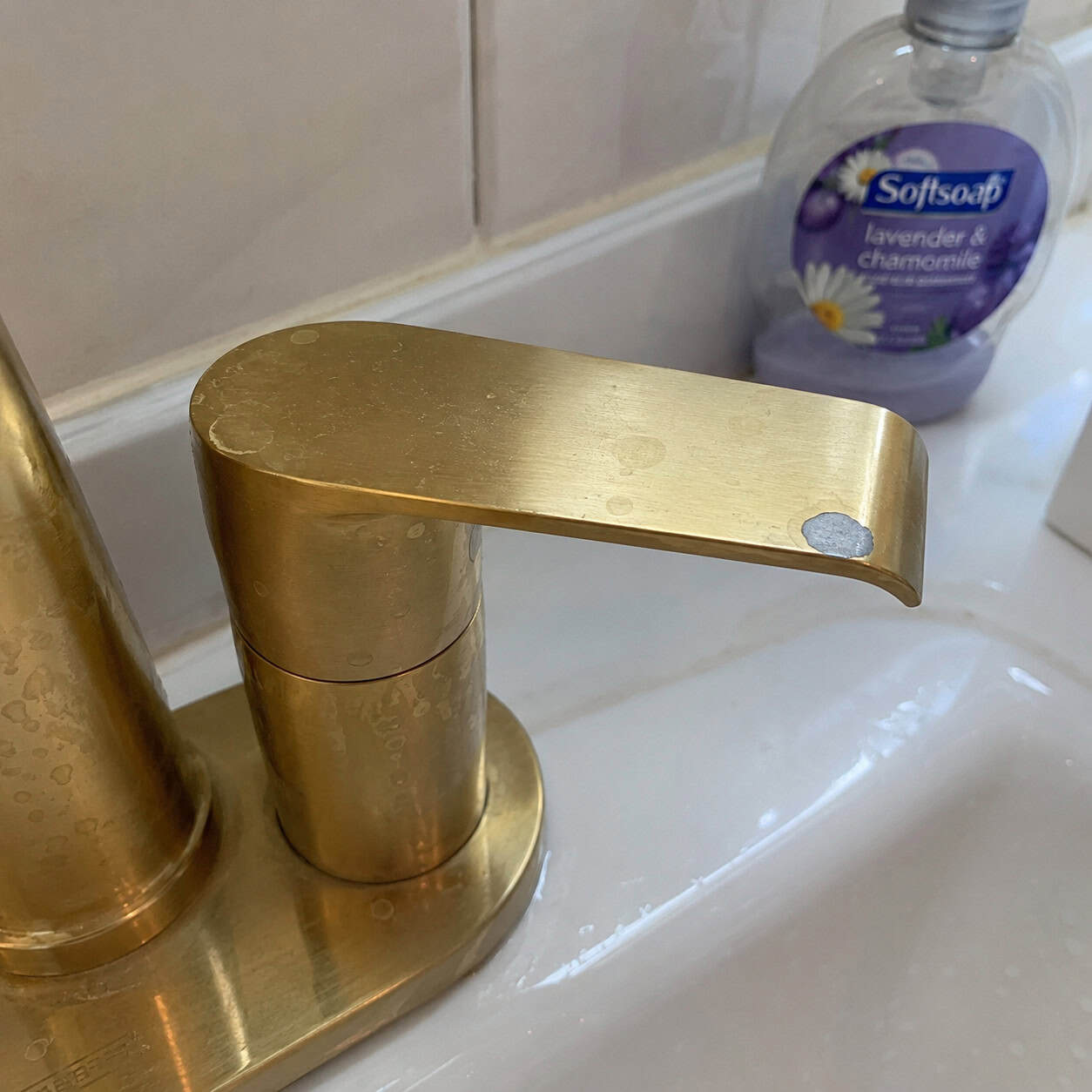
The warm-metal answer to matte black. Brushed gold and champagne bronze feel soft, expensive, and current.
The finish quality is everything here.
A good PVD-coated fixture is genuinely tough and easy to keep clean. A cheap plated one is not — it spots with water marks, shows every fingerprint at the handle, and wears thin at the touch points where your hand lands, revealing the base metal underneath.
Once a plated gold finish wears through, there’s no polishing it back. You’re looking at a replacement.
Buy the PVD version from a brand that stands behind it, wipe it dry, and it earns its keep. The difference between a fixture that lasts and one that peels usually comes down to what separates a cheap faucet from an expensive one.
The Takeaway
Every material on this list looks expensive. That was never in question.
The question is what happens after the installer leaves and the photos are taken and it’s just you, a rag, and a surface that shows every drop of water or drinks in every stain.
None of these are off-limits. Plenty of people live happily with marble tops and matte black taps and freestanding tubs. But go in knowing the maintenance, because the showroom won’t tell you — and the finish that dazzles on a design feed is often the one that asks the most of you at 7 a.m. on a Tuesday.
Choose the look you love. Just make sure you love it enough to clean it.